What does Acts 2:21 mean?
"And it shall come to pass, that whosoever shall call on the name of the Lord shall be saved." - Acts 2:21

In Acts 2:21, the King James Version of the Bible states, "And it shall come to pass, that whosoever shall call on the name of the Lord shall be saved." This verse is part of Peter's speech at Pentecost, where he quotes the Old Testament prophet Joel to explain the miraculous events that were occurring. This verse holds profound significance and carries several themes, contexts, and symbols that are worth exploring.
The theme of salvation is central to this verse. The idea that "whosoever shall call on the name of the Lord shall be saved" emphasizes the inclusive nature of God's offer of salvation. The word "whosoever" suggests that salvation is available to everyone regardless of their background, race, or social status. This aligns with the overarching message of the New Testament, which emphasizes the universal scope of God's redemptive plan through Jesus Christ. The simplicity and accessibility of salvation through faith is a key theme in the Christian faith, and this verse succinctly captures that idea.
The context of Acts 2:21 is equally significant. This verse is part of Peter's sermon at Pentecost, a Jewish festival that commemorated the giving of the Law to Moses. It was during this event that the Holy Spirit descended upon the apostles, empowering them to speak in foreign languages and proclaim the Gospel to a diverse crowd of Jews from various regions. Peter's quotation of Joel's prophecy in this context serves to illustrate the fulfillment of Old Testament prophecies through the outpouring of the Holy Spirit and the coming of the Messianic era. This momentous event marked the birth of the Christian church and the spread of the Gospel message to the ends of the earth.
Symbolism plays a crucial role in interpreting Acts 2:21. The act of "calling on the name of the Lord" symbolizes an intimate and personal relationship with God. It signifies an acknowledgment of God's sovereignty and a humble appeal for his mercy and deliverance. Throughout the Bible, calling on the name of the Lord is associated with prayer, worship, and reliance on God's provision. The act of calling on the name of the Lord is not merely a verbal utterance but a posture of the heart and a declaration of dependence on God.
Furthermore, the concept of "being saved" conveys the idea of deliverance from sin, judgment, and the power of evil. In the Christian faith, salvation is achieved through faith in Jesus Christ as the Son of God and the Savior of humanity. The promise of salvation in Acts 2:21 underscores the redemptive work of Christ and the hope of eternal life for those who believe in him. This verse serves as a reminder of God's grace and the assurance of salvation for those who earnestly seek him.
In conclusion, Acts 2:21 is a powerful and meaningful verse that encapsulates the themes of salvation, the context of Pentecost, and the symbolism of calling on the name of the Lord. As Christians, we are encouraged by this verse to approach God with faith and to trust in the promise of salvation through Jesus Christ. This verse also reminds us of the transformative power of the Holy Spirit and the enduring relevance of God's word throughout history. Ultimately, Acts 2:21 serves as a beacon of hope and a call to redemption for all who believe in the Lord.
Have questions about Acts 2:21?
Dive deeper into this scripture with Bible Chat — an AI-powered tool for exploring God's Word through conversation. Ask questions, get context, and grow in your understanding of the Bible.
Get Our Apps


Acts 2:21 Artwork

Acts 2:21 - "And it shall come to pass, that whosoever shall call on the name of the Lord shall be saved."

"And it shall come to pass, that whosoever shall call on the name of the Lord shall be saved." - Acts 2:21

Acts 21:2 - "And finding a ship sailing over unto Phenicia, we went aboard, and set forth."

2 Kings 15:21 - "¶ And the rest of the acts of Menahem, and all that he did, are they not written in the book of the chronicles of the kings of Israel?"

2 Kings 21:25 - "Now the rest of the acts of Amon which he did, are they not written in the book of the chronicles of the kings of Judah?"

Acts 2:1 - "And when the day of Pentecost was fully come, they were all with one accord in one place."

2 Kings 21:17 - "¶ Now the rest of the acts of Manasseh, and all that he did, and his sin that he sinned, are they not written in the book of the chronicles of the kings of Judah?"

"And when the day of Pentecost was fully come, they were all with one accord in one place." - Acts 2:1

Acts 1:21-23

Acts 1:21-22

Acts 21:5-6

Acts 1:21-22

"And finding a ship sailing over unto Phenicia, we went aboard, and set forth." - Acts 21:2

2 Kings 21:2 - "And he did that which was evil in the sight of the LORD, after the abominations of the heathen, whom the LORD cast out before the children of Israel."

"¶ And the rest of the acts of Menahem, and all that he did, are they not written in the book of the chronicles of the kings of Israel?" - 2 Kings 15:21

Acts 21:36 - "For the multitude of the people followed after, crying, Away with him."

"Now the rest of the acts of Amon which he did, are they not written in the book of the chronicles of the kings of Judah?" - 2 Kings 21:25

Acts 21:21 - "And they are informed of thee, that thou teachest all the Jews which are among the Gentiles to forsake Moses, saying that they ought not to circumcise their children, neither to walk after the customs."
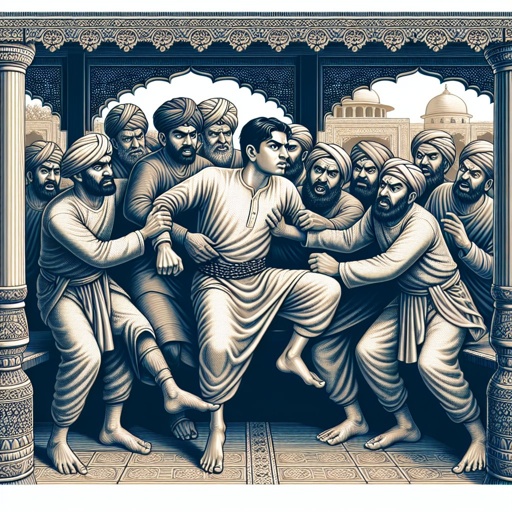
Acts 26:21 - "For these causes the Jews caught me in the temple, and went about to kill me."

Acts 21:17 - "And when we were come to Jerusalem, the brethren received us gladly."

Acts 11:21 - "And the hand of the Lord was with them: and a great number believed, and turned unto the Lord."

Acts 21:14 - "And when he would not be persuaded, we ceased, saying, The will of the Lord be done."

Acts 21:9 - "And the same man had four daughters, virgins, which did prophesy."

Acts 2:2

Acts 2:2

Acts 16:21 - "And teach customs, which are not lawful for us to receive, neither to observe, being Romans."

Acts 21:15 - "And after those days we took up our carriages, and went up to Jerusalem."

Acts 21:35 - "And when he came upon the stairs, so it was, that he was borne of the soldiers for the violence of the people."

Acts 21:22 - "What is it therefore? the multitude must needs come together: for they will hear that thou art come."

Acts 21:18 - "And the day following Paul went in with us unto James; and all the elders were present."