What does Acts 2:12 mean?
"And they were all amazed, and were in doubt, saying one to another, What meaneth this?" - Acts 2:12

Acts 2:12 in the King James Version reads, "And they were all amazed, and were in doubt, saying one to another, What meaneth this?" This verse comes from the second chapter of the book of Acts in the New Testament, which describes the events of the Day of Pentecost. The passage describes the outpouring of the Holy Spirit on the apostles and their subsequent speaking in tongues, which led to a diverse crowd of people being able to hear the apostles in their own languages. The people were amazed and bewildered by this miraculous display of the Spirit's power, and they were left questioning the meaning and significance of what they were witnessing.
The context of Acts 2:12 is crucial to understanding its significance. The events of the Day of Pentecost took place in Jerusalem, where Jews from all over the known world had gathered to celebrate the feast. The apostles, who were filled with the Holy Spirit, began speaking in tongues, and the crowd was astonished to hear the message of God proclaimed in their own languages. This event marked the birth of the Christian church and the beginning of the apostolic mission to spread the gospel to all nations. Acts 2:12 is a response to the miraculous speaking in tongues, as the amazed crowd struggled to comprehend the significance and meaning of what they were witnessing.
The themes present in Acts 2:12 are central to the overarching message of the book of Acts and the New Testament as a whole. One of the primary themes is the universal nature of the gospel message. The speaking in tongues on the Day of Pentecost demonstrated that the good news of Jesus Christ was not limited to a particular culture or language but was intended for people from every nation and tongue. This theme is in line with Jesus' command to his disciples to go and make disciples of all nations (Matthew 28:19).
Another important theme in Acts 2:12 is the power and work of the Holy Spirit. The outpouring of the Spirit on the apostles enabled them to speak in languages they had not learned, allowing them to effectively communicate the message of the gospel to people from diverse backgrounds. This event demonstrated the transformative and empowering work of the Spirit, which is a recurring theme throughout the book of Acts. The Holy Spirit empowered the early church to boldly proclaim the gospel and perform signs and wonders, playing a central role in the spread of Christianity.
The symbolism in Acts 2:12 is closely tied to the themes of the passage. The bewildered response of the crowd symbolizes the confusion and amazement that often accompanies encounters with the supernatural. The speaking in tongues symbolizes the universal reach of the gospel and the power of the Spirit to overcome linguistic and cultural barriers. Additionally, the coming of the Holy Spirit on Pentecost is rich with symbolism, as it fulfills the promise of Jesus to send the Advocate (John 16:7) and marks the beginning of the new covenant community empowered by the Spirit.
In conclusion, Acts 2:12 is a significant verse that captures the awe and confusion of the crowd witnessing the miraculous events of the Day of Pentecost. The themes of the universal nature of the gospel and the power of the Holy Spirit are central to this passage, and its symbolism reflects the transformative and empowering work of the Spirit in the birth of the early church. This verse serves as a pivotal moment in the narrative of the book of Acts and underscores the foundational beliefs of the Christian faith.
Have questions about Acts 2:12?
Dive deeper into this scripture with Bible Chat — an AI-powered tool for exploring God's Word through conversation. Ask questions, get context, and grow in your understanding of the Bible.
Get Our Apps


Acts 2:12 Artwork

Acts 2:12 - "And they were all amazed, and were in doubt, saying one to another, What meaneth this?"

"And they were all amazed, and were in doubt, saying one to another, What meaneth this?" - Acts 2:12

Acts 12:2 - "And he killed James the brother of John with the sword."

2 Kings 12:19 - "¶ And the rest of the acts of Joash, and all that he did, are they not written in the book of the chronicles of the kings of Judah?"

"And he killed James the brother of John with the sword." - Acts 12:2

2 Chronicles 12:15 - "Now the acts of Rehoboam, first and last, are they not written in the book of Shemaiah the prophet, and of Iddo the seer concerning genealogies? And there were wars between Rehoboam and Jeroboam continually."

2 Kings 13:12 - "And the rest of the acts of Joash, and all that he did, and his might wherewith he fought against Amaziah king of Judah, are they not written in the book of the chronicles of the kings of Israel?"

Acts 18:12

Acts 28:12

Acts 18:12

Acts 4:8-12

acts 20:7-12

Acts 12:24 - "¶ But the word of God grew and multiplied."

Acts 2:2

"¶ And the rest of the acts of Joash, and all that he did, are they not written in the book of the chronicles of the kings of Judah?" - 2 Kings 12:19

Acts 2:2
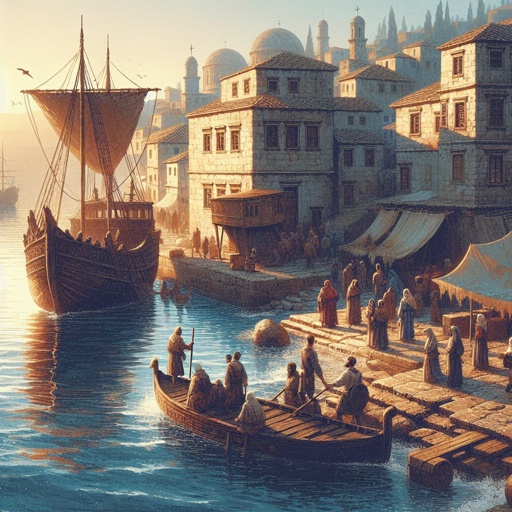
Acts 28:12 - "And landing at Syracuse, we tarried there three days."

Acts 12:22 - "And the people gave a shout, saying, It is the voice of a god, and not of a man."

Acts 20:12 - "And they brought the young man alive, and were not a little comforted."

Acts 12:13 - "And as Peter knocked at the door of the gate, a damsel came to hearken, named Rhoda."

Acts 14:12 - "And they called Barnabas, Jupiter; and Paul, Mercurius, because he was the chief speaker."

Acts 26:12 - "Whereupon as I went to Damascus with authority and commission from the chief priests,"

Acts 2:2-3

Acts 2:2-3

Acts 2:17

Acts 2:17

Acts 2:4

Acts 2:17

"¶ But the word of God grew and multiplied." - Acts 12:24

Acts 12:12 - "And when he had considered the thing, he came to the house of Mary the mother of John, whose surname was Mark; where many were gathered together praying."