What does Acts 28:7 mean?
"In the same quarters were possessions of the chief man of the island, whose name was Publius; who received us, and lodged us three days courteously." - Acts 28:7
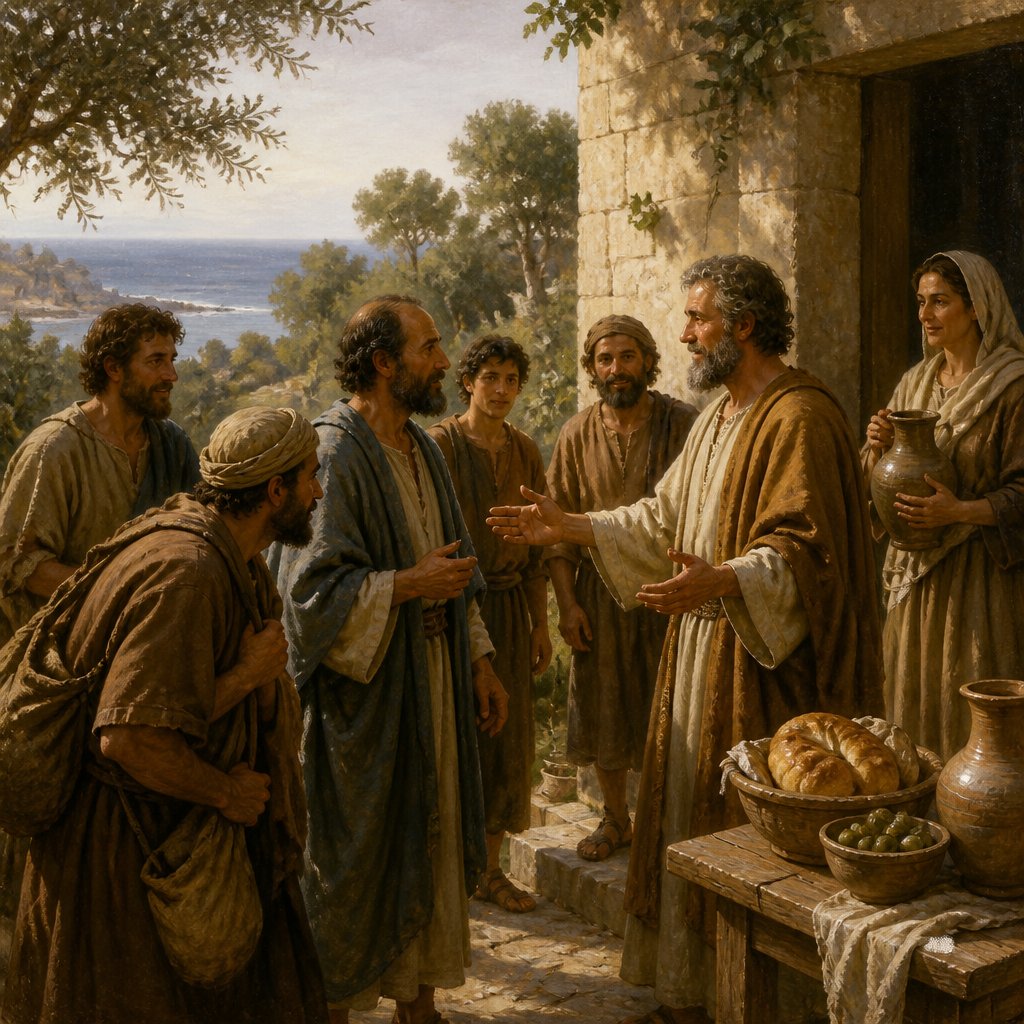
In Acts 28:7 (KJV), the verse reads: "In the same quarters were possessions of the chief man of the island, whose name was Publius; who received us, and lodged us three days courteously."
This verse is a part of the New Testament and takes place in the book of Acts, which is traditionally attributed to Luke, the author of the Gospel of Luke. The book of Acts chronicles the establishment and growth of the early Christian church, as well as the missionary journeys of the apostles, particularly the apostle Paul. In this specific verse, Paul and his companions are shipwrecked on the island of Malta, and they are taken in by Publius, the chief man of the island.
The context of this verse is crucial to understanding its significance. Paul and his companions have just survived a harrowing shipwreck, and they find themselves in a foreign land among people who are likely unfamiliar with their faith. Despite the trauma they have just experienced, they are shown kindness and hospitality by Publius, who welcomes them into his home and provides for their needs during their time on the island.
One of the key themes in this verse is hospitality. Publius's actions exemplify the Christian virtue of welcoming strangers and offering assistance to those in need. In the ancient world, hospitality was highly valued, and it was considered a moral duty to provide for the needs of travelers and strangers. By receiving Paul and his companions "courteously" and lodging them for three days, Publius demonstrates a generosity of spirit that aligns with the teachings of Jesus and the early Christian community.
Another theme present in this verse is the providence of God. Despite the suffering and uncertainty that Paul and his companions face as a result of the shipwreck, they are ultimately provided for by God through the hospitality of Publius. This can be seen as a demonstration of God's faithfulness and care for his followers, even in the midst of challenging circumstances.
Symbolically, Publius can be interpreted as a representation of the welcoming nature of the Christian community. Just as Publius opens his home to Paul and his companions, Christians are called to show love and hospitality to others, especially those in need. This passage also highlights the importance of building relationships and forming alliances with those outside of the Christian faith, as Paul and his companions would have had to engage with the non-Christian inhabitants of Malta in order to receive Publius's hospitality.
Ultimately, Acts 28:7 (KJV) serves as a reminder of the importance of hospitality, kindness, and generosity within the Christian community. It also underscores the belief that God provides for his people through the actions of others, and that even in the midst of adversity, there is the potential for positive and transformative encounters with others. As such, this verse continues to hold relevance for contemporary Christian believers, encouraging them to emulate the example of Publius and to demonstrate kindness and hospitality to those around them.
Have questions about Acts 28:7?
Dive deeper into this scripture with Bible Chat — an AI-powered tool for exploring God's Word through conversation. Ask questions, get context, and grow in your understanding of the Bible.
Get Our Apps


Acts 28:7 Artwork
Acts 28:7 - "In the same quarters were possessions of the chief man of the island, whose name was Publius; who received us, and lodged us three days courteously."
"In the same quarters were possessions of the chief man of the island, whose name was Publius; who received us, and lodged us three days courteously." - Acts 28:7

Acts 7:28 - "Wilt thou kill me, as thou diddest the Egyptian yesterday?"
"Wilt thou kill me, as thou diddest the Egyptian yesterday?" - Acts 7:28

Acts 28:12

Acts 28:28 - "Be it known therefore unto you, that the salvation of God is sent unto the Gentiles, and that they will hear it."

Acts 14:28 - "And there they abode long time with the disciples."

Acts 28:12 - "And landing at Syracuse, we tarried there three days."

Acts 9:28 - "And he was with them coming in and going out at Jerusalem."

Acts 28:1 - "And when they were escaped, then they knew that the island was called Melita."

Acts 28:5 - "And he shook off the beast into the fire, and felt no harm."

Acts 8:28 - "Was returning, and sitting in his chariot read Esaias the prophet."

Acts 28:24 - "And some believed the things which were spoken, and some believed not."

Acts 18:28 - "For he mightily convinced the Jews, and that publickly, shewing by the scriptures that Jesus was Christ."

Acts 26:28 - "Then Agrippa said unto Paul, Almost thou persuadest me to be a Christian."

Acts 4:28 - "For to do whatsoever thy hand and thy counsel determined before to be done."

"And there they abode long time with the disciples." - Acts 14:28

Acts 3:6-7

Acts 3:6-7

Acts 3:6-7

Acts 3:6-7

Acts 3:6-7

"Be it known therefore unto you, that the salvation of God is sent unto the Gentiles, and that they will hear it." - Acts 28:28

Acts 16:28 - "But Paul cried with a loud voice, saying, Do thyself no harm: for we are all here."

Acts 13:28 - "And though they found no cause of death in him, yet desired they Pilate that he should be slain."

Acts 19:28 - "And when they heard these sayings, they were full of wrath, and cried out, saying, Great is Diana of the Ephesians."

Acts 28:9 - "So when this was done, others also, which had diseases in the island, came, and were healed:"

Acts 28:29 - "And when he had said these words, the Jews departed, and had great reasoning among themselves."

Acts 14:7 - "And there they preached the gospel."

Acts 15:28 - "For it seemed good to the Holy Ghost, and to us, to lay upon you no greater burden than these necessary things;"