What does Acts 27:5 mean?
"And when we had sailed over the sea of Cilicia and Pamphylia, we came to Myra, a city of Lycia." - Acts 27:5
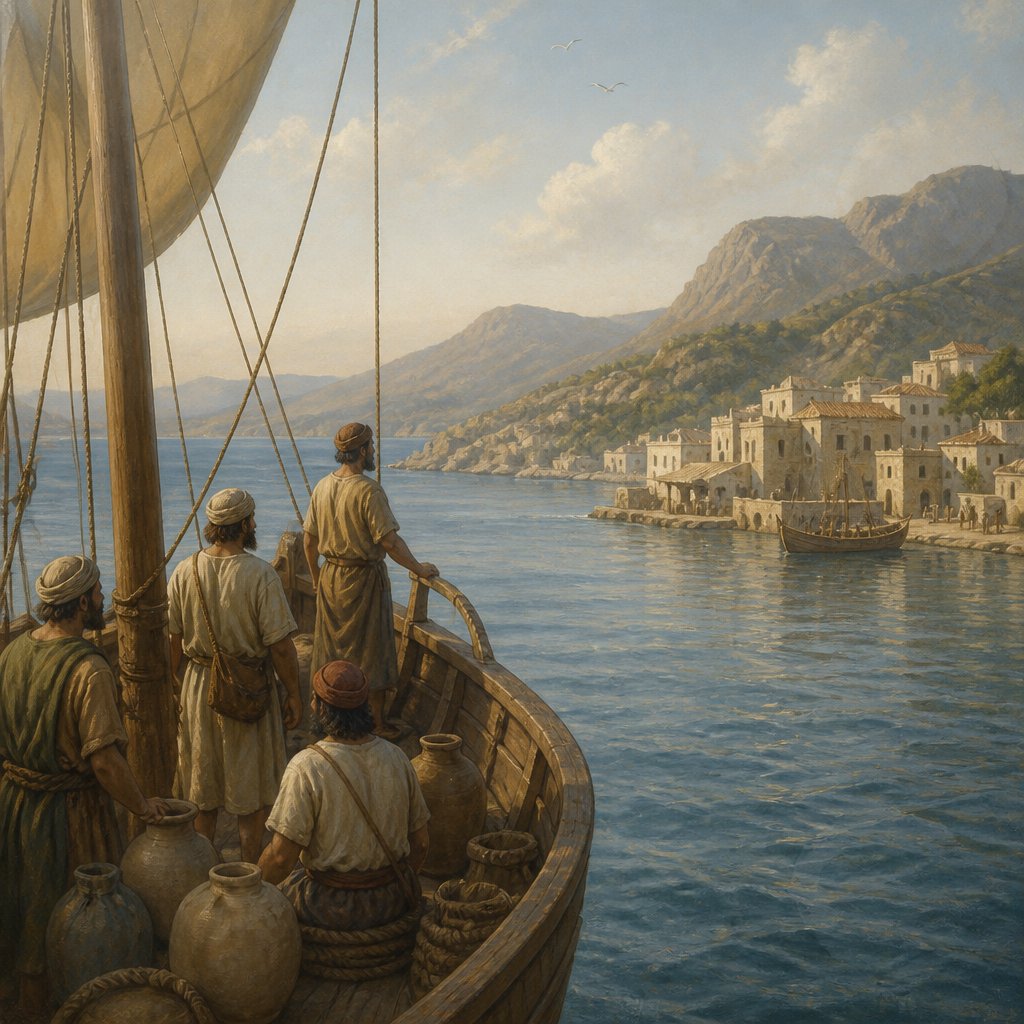
The Bible verse Acts 27:5 from the King James Version (KJV) states, "And when we had sailed over the sea of Cilicia and Pamphylia, we came to Myra, a city of Lycia." This verse is found in the New Testament, specifically in the Book of Acts, which was written by Luke.
To fully understand the meaning and significance of Acts 27:5, it is important to consider the historical and cultural context of the verse. The Book of Acts chronicles the early Christian church and the spread of the Gospel after the death and resurrection of Jesus Christ. In this particular verse, the apostle Paul is on a journey to Rome as a prisoner, accompanied by Luke and other believers. Their ship has set sail from Caesarea and they are now reaching the region of Cilicia and Pamphylia, eventually arriving in the city of Myra, in Lycia.
The geographical details mentioned in Acts 27:5 are not merely incidental, but serve as important markers in the narrative, demonstrating the specific locations and movements of Paul during his journey. Myra was a major city in ancient Lycia, situated along the coast of Asia Minor (modern-day Turkey). Its significance in this verse provides a sense of the physical journey that Paul and his companions are undertaking, as well as the broader scope of the spread of Christianity to various regions.
One of the overarching themes of Acts 27:5 is the sovereignty and providence of God. Throughout the Book of Acts, we see how God guides and directs the apostle Paul in his missionary journeys, despite the challenges and obstacles he faces. This verse serves as a reminder that even in the midst of difficult circumstances, God is in control and His plans will ultimately come to fruition. It also underscores the importance of trusting in God's leading, even when the path ahead seems uncertain.
Another significant theme in Acts 27:5 is the faithfulness of God in fulfilling His promises. As Paul journeys towards Rome, he is fulfilling the call and commission that God has placed upon his life. This verse reflects the unfolding of God's plan for Paul to bear witness to the Gospel before the rulers and authorities in Rome (Acts 23:11). The fact that Paul reaches Myra, despite the challenges and dangers of the sea voyage, demonstrates God's faithfulness in preserving and leading His servant towards the fulfillment of His purposes.
In addition to the themes present in Acts 27:5, it is important to consider the symbolic significance of the sea and sailing in the Bible. Throughout the Scriptures, the sea often represents chaos, uncertainty, and the forces of evil. In this verse, the reference to sailing over the sea of Cilicia and Pamphylia may symbolize the trials and challenges that Paul and his companions are facing as they journey towards Rome. The sea is a powerful and unpredictable force, yet it is under the ultimate control of God, as demonstrated in the miraculous interventions and deliverances that occur later in the narrative (Acts 27:21-44).
In conclusion, Acts 27:5 serves as a significant point in the narrative of the apostle Paul's journey to Rome, highlighting the providence and faithfulness of God amidst the challenges of the sea voyage. The verse also underscores the broader themes of God's sovereignty and the fulfillment of His promises, as well as the symbolic significance of the sea as a representation of trials and uncertainty. Through this verse, we are reminded of the enduring truth that God is always at work in the lives of His people, guiding and preserving them according to His purposes.
Have questions about Acts 27:5?
Dive deeper into this scripture with Bible Chat — an AI-powered tool for exploring God's Word through conversation. Ask questions, get context, and grow in your understanding of the Bible.
Get Our Apps


Acts 27:5 Artwork

Acts 27:5 - "And when we had sailed over the sea of Cilicia and Pamphylia, we came to Myra, a city of Lycia."
"And when we had sailed over the sea of Cilicia and Pamphylia, we came to Myra, a city of Lycia." - Acts 27:5

Acts 5:27 - "And when they had brought them, they set them before the council: and the high priest asked them,"
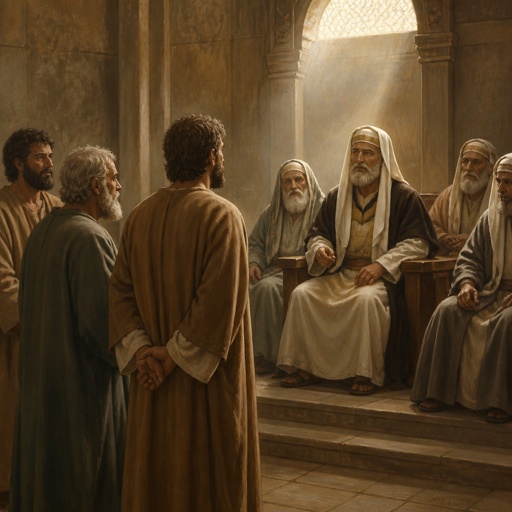
"And when they had brought them, they set them before the council: and the high priest asked them," - Acts 5:27

Acts 17:27

Acts 27:26 - "Howbeit we must be cast upon a certain island."

Acts 27:27 - "But when the fourteenth night was come, as we were driven up and down in Adria, about midnight the shipmen deemed that they drew near to some country;"

Acts 11:27 - "¶ And in these days came prophets from Jerusalem unto Antioch."

Acts 27:36 - "Then were they all of good cheer, and they also took some meat."

Acts 27:14 - "But not long after there arose against it a tempestuous wind, called Euroclydon."

Acts 27:32 - "Then the soldiers cut off the ropes of the boat, and let her fall off."

Acts 1:4-5

Acts 27:18 - "And we being exceedingly tossed with a tempest, the next day they lightened the ship;"

Acts 27:37 - "And we were in all in the ship two hundred threescore and sixteen souls."

Acts 20:27 - "For I have not shunned to declare unto you all the counsel of God."

Acts 26:27 - "King Agrippa, believest thou the prophets? I know that thou believest."

Genesis 27:5

Acts 27:38 - "And when they had eaten enough, they lightened the ship, and cast out the wheat into the sea."

Acts 27:19 - "And the third day we cast out with our own hands the tackling of the ship."
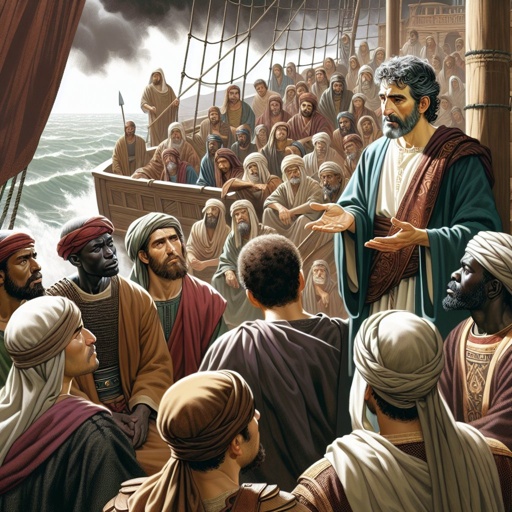
Acts 27:31 - "Paul said to the centurion and to the soldiers, Except these abide in the ship, ye cannot be saved."

Acts 10:27 - "And as he talked with him, he went in, and found many that were come together."

Acts 27:6 - "And there the centurion found a ship of Alexandria sailing into Italy; and he put us therein."

Acts 27:23 - "For there stood by me this night the angel of God, whose I am, and whom I serve,"

Acts 27:42 - "And the soldiers' counsel was to kill the prisoners, lest any of them should swim out, and escape."

Acts 25:27 - "For it seemeth to me unreasonable to send a prisoner, and not withal to signify the crimes laid against him."

Acts 27:25 - "Wherefore, sirs, be of good cheer: for I believe God, that it shall be even as it was told me."

Acts 27:15 - "And when the ship was caught, and could not bear up into the wind, we let her drive."

Acts 5:27-29 - "And when they had brought them, they set them before the council. And the high priest asked them, saying, "Did we not strictly command you not to teach in this name? And look, you have filled Jerusalem with your doctrine, and intend to bring this Man’s blood on us!" But Peter and the other apostles answered and said: "We ought to obey God rather than men.""

Amos 5:21-27

Acts 27:16 - "And running under a certain island which is called Clauda, we had much work to come by the boat:"