What does Acts 26:19 mean?
"Whereupon, O king Agrippa, I was not disobedient unto the heavenly vision:" - Acts 26:19

In Acts 26:19, the Apostle Paul is speaking before King Agrippa, recounting his conversion to Christianity and his subsequent mission to preach the gospel to both Jews and Gentiles. The verse reads, "Whereupon, O king Agrippa, I was not disobedient unto the heavenly vision." Here, Paul is emphasizing his obedience to the heavenly vision he received from Jesus Christ, which compelled him to preach the gospel and share his faith with others.
The context of this verse is crucial to understanding its significance. Just before this verse, Paul describes his encounter with Jesus on the road to Damascus, where he was blinded by a bright light and heard the voice of Jesus speaking to him. This experience led to his conversion from a persecutor of Christians to a fervent follower of Christ. The heavenly vision Paul refers to is the revelation of Jesus as the risen Lord, which he could not deny nor disobey.
One of the central themes of this verse is obedience to divine calling. Paul's obedience to the heavenly vision is a testament to his faith and willingness to submit to God's will. This act of obedience reflects the overarching message of the Christian faith, which is centered on surrendering one's will to God and following His commands. Paul's unwavering commitment to the heavenly vision serves as a model for all believers, encouraging them to heed God's calling and faithfully carry out His purposes.
Additionally, this verse also underscores the transformative power of encounters with the divine. Paul's life was dramatically altered by his encounter with Jesus on the road to Damascus. His steadfast obedience to the heavenly vision demonstrates the profound impact of such an experience, as it completely redirected the course of his life and led him to become one of the most influential figures in the early Christian church.
Symbolically, the heavenly vision represents the revelation of God's truth and the divine calling placed upon an individual. It serves as a guiding light, illuminating the path that believers are called to follow. Paul's obedience to this vision symbolizes the broader concept of faithfulness and devotion to God's will. It also symbolizes the transformative power of encountering God, which can instill a sense of purpose and direction in the lives of believers.
Furthermore, this verse embodies the theme of bearing witness to the truth. Paul's obedience to the heavenly vision compels him to proclaim the gospel and testify to the reality of Christ's resurrection. His commitment to this mission is a reflection of his unwavering dedication to spreading the message of salvation to all who would hear. It encourages believers to boldly proclaim the truth of the gospel and remain steadfast in their convictions, regardless of opposition or persecution.
In conclusion, Acts 26:19 encapsulates the theme of obedience to divine calling, the transformative power of encounters with the divine, and the importance of bearing witness to the truth. It serves as a powerful reminder of the faithfulness and dedication required of believers in following God's will. This verse continues to inspire and challenge Christians to remain obedient to their heavenly vision and faithfully carry out their mission to share the gospel with the world.
Have questions about Acts 26:19?
Dive deeper into this scripture with Bible Chat — an AI-powered tool for exploring God's Word through conversation. Ask questions, get context, and grow in your understanding of the Bible.
Get Our Apps


Acts 26:19 Artwork

Acts 26:19 - "Whereupon, O king Agrippa, I was not disobedient unto the heavenly vision:"

"Whereupon, O king Agrippa, I was not disobedient unto the heavenly vision:" - Acts 26:19
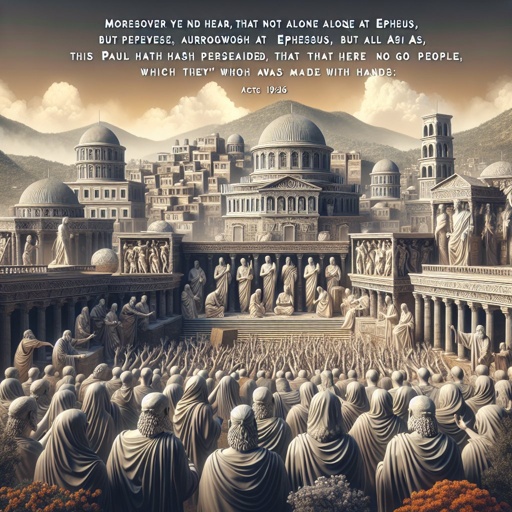
Acts 19:26 - "Moreover ye see and hear, that not alone at Ephesus, but almost throughout all Asia, this Paul hath persuaded and turned away much people, saying that they be no gods, which are made with hands:"

Genesis 19-26

Matthew 19:26

Acts 19: 11

Acts 19:11

Acts 27:26 - "Howbeit we must be cast upon a certain island."

John 19:26-27

Acts 26:26 - "For the king knoweth of these things, before whom also I speak freely: for I am persuaded that none of these things are hidden from him; for this thing was not done in a corner."

Acts 26:27 - "King Agrippa, believest thou the prophets? I know that thou believest."
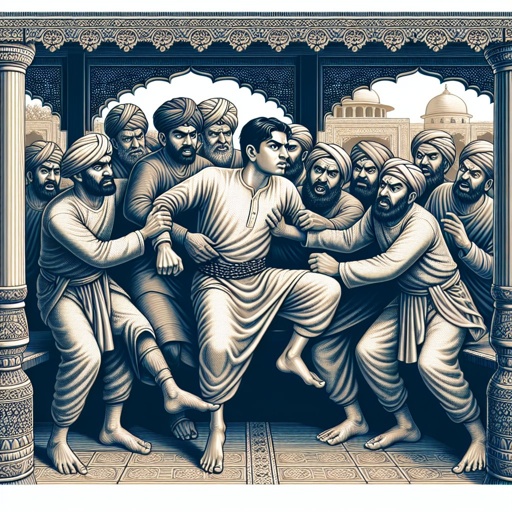
Acts 26:21 - "For these causes the Jews caught me in the temple, and went about to kill me."

Acts 15:26 - "Men that have hazarded their lives for the name of our Lord Jesus Christ."

Acts 23:26 - "Claudius Lysias unto the most excellent governor Felix sendeth greeting."

Acts 26:28 - "Then Agrippa said unto Paul, Almost thou persuadest me to be a Christian."

Acts 26:12 - "Whereupon as I went to Damascus with authority and commission from the chief priests,"

Acts 19:7 - "And all the men were about twelve."

Acts 19:11 - "And God wrought special miracles by the hands of Paul:"

Acts 26:8 - "Why should it be thought a thing incredible with you, that God should raise the dead?"

Acts 19:20 - "So mightily grew the word of God and prevailed."

Acts 19:18 - "And many that believed came, and confessed, and shewed their deeds."

Acts 1:26 - "And they gave forth their lots; and the lot fell upon Matthias; and he was numbered with the eleven apostles."

Acts 19:23 - "And the same time there arose no small stir about that way."

Acts 19:5 - "When they heard this, they were baptized in the name of the Lord Jesus."

Acts 26:6 - "And now I stand and am judged for the hope of the promise made of God unto our fathers:"

Acts 26:30 - "And when he had thus spoken, the king rose up, and the governor, and Bernice, and they that sat with them:"

Acts 10:26 - "But Peter took him up, saying, Stand up; I myself also am a man."

2 Chronicles 35:26 - "Now the rest of the acts of Josiah, and his goodness, according to that which was written in the law of the LORD,"

Acts 26:17 - "Delivering thee from the people, and from the Gentiles, unto whom now I send thee,"

Depict the events of Acts 19:14-17