What does Acts 26:1 mean?
"Then Agrippa said unto Paul, Thou art permitted to speak for thyself. Then Paul stretched forth the hand, and answered for himself:" - Acts 26:1
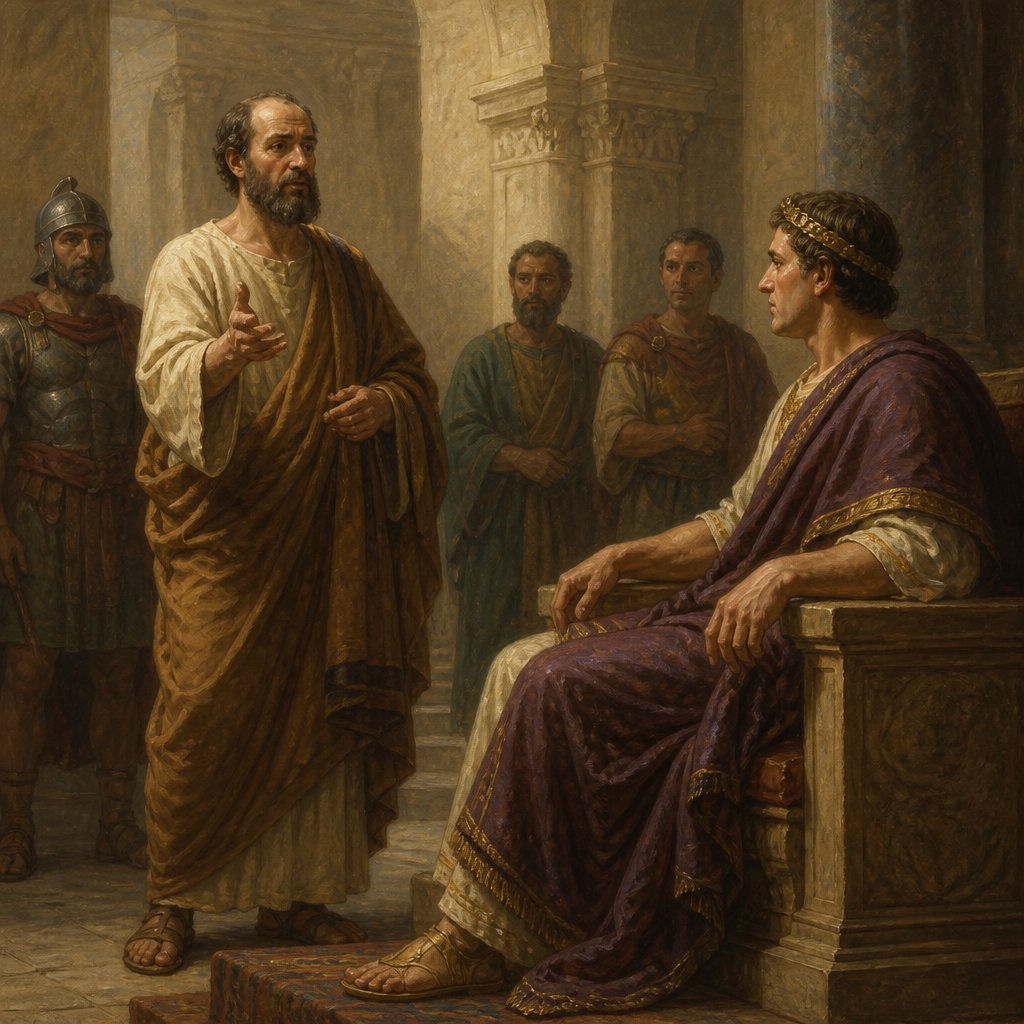
In Acts 26:1, the King James Version (KJV) states, "Then Agrippa said unto Paul, Thou art permitted to speak for thyself. Then Paul stretched forth the hand, and answered for himself." This verse is part of the biblical account of Paul's defense before King Agrippa, which serves as a significant and pivotal moment in the book of Acts.
To fully understand the meaning and commentary of Acts 26:1, it is essential to provide some context. The book of Acts is the fifth book of the New Testament and is traditionally attributed to Luke, the companion of the Apostle Paul. Acts serves as a sequel to the Gospel of Luke and chronicles the early history of the Christian church, particularly focusing on the spreading of the gospel and the ministry of the apostles after the death and resurrection of Jesus Christ.
The specific verse, Acts 26:1, comes at a critical juncture in the narrative. Paul, who was once a persecutor of the early Christians, underwent a dramatic conversion experience on the road to Damascus, where he encountered the risen Christ and was subsequently called to be an apostle to the Gentiles. Throughout his missionary journeys, Paul faced numerous trials and hardships as he boldly proclaimed the gospel message, often facing opposition from both Jewish leaders and Roman authorities.
In Acts 26, Paul is given an opportunity to defend himself before King Agrippa, a member of the Herodian dynasty and a prominent figure in the Roman province of Judea. This encounter takes place as part of Paul's legal proceedings, as he was accused of inciting riots and stirring up trouble among the Jews. King Agrippa, along with his sister Bernice and the Roman governor Festus, listens to Paul's compelling testimony about his conversion, his calling to preach the gospel, and his unwavering commitment to sharing the message of salvation in Jesus Christ.
The verse begins with Agrippa granting Paul permission to speak for himself, signaling a significant turning point in the narrative. Paul, then, boldly stretches forth his hand and begins to speak in his defense. This action reflects Paul's confidence and authority as he takes the opportunity to present his case before the Roman authorities and share the gospel message with those in positions of power and influence.
The broader themes and symbolism present in Acts 26:1 are rich and multilayered. One of the primary themes in this verse is the concept of divine providence and the sovereign orchestration of events by God. Throughout the book of Acts, God is portrayed as actively working behind the scenes to fulfill His purposes and advance His kingdom, even in the midst of persecution and opposition. Paul's defense before King Agrippa is a vivid demonstration of God's providential care and guidance, as it provides a platform for Paul to proclaim the gospel to a powerful audience.
Furthermore, Acts 26:1 reflects the theme of boldness and courage in the face of adversity. Despite the potential consequences and the formidable audience before him, Paul fearlessly seizes the opportunity to bear witness to the transformative power of the gospel and the life-changing encounter he had with Jesus Christ. His willingness to speak out for himself exemplifies the resolute determination and unwavering conviction that characterized his ministry.
The verse also conveys the significance of verbal proclamation and testimony in the spread of the gospel. Paul's response to King Agrippa's permission to speak underscores the importance of articulating and defending the Christian faith, especially when it is challenged or opposed. Paul's defense not only serves to exonerate himself from the accusations leveled against him but also serves as a means of presenting the message of salvation to a prominent audience.
In conclusion, Acts 26:1 captures a crucial moment in the narrative of the early church, portraying Paul's bold and unapologetic proclamation of the gospel before King Agrippa. This verse encapsulates themes of divine providence, boldness in the face of adversity, and the power of verbal testimony in spreading the message of salvation. Paul's defense before King Agrippa serves as a compelling example of the fervent commitment and unwavering dedication of early Christians in sharing the gospel, even in the face of opposition and persecution.
Have questions about Acts 26:1?
Dive deeper into this scripture with Bible Chat — an AI-powered tool for exploring God's Word through conversation. Ask questions, get context, and grow in your understanding of the Bible.
Get Our Apps


Acts 26:1 Artwork

Acts 26:1 - "Then Agrippa said unto Paul, Thou art permitted to speak for thyself. Then Paul stretched forth the hand, and answered for himself:"
"Then Agrippa said unto Paul, Thou art permitted to speak for thyself. Then Paul stretched forth the hand, and answered for himself:" - Acts 26:1

Acts 1:26 - "And they gave forth their lots; and the lot fell upon Matthias; and he was numbered with the eleven apostles."
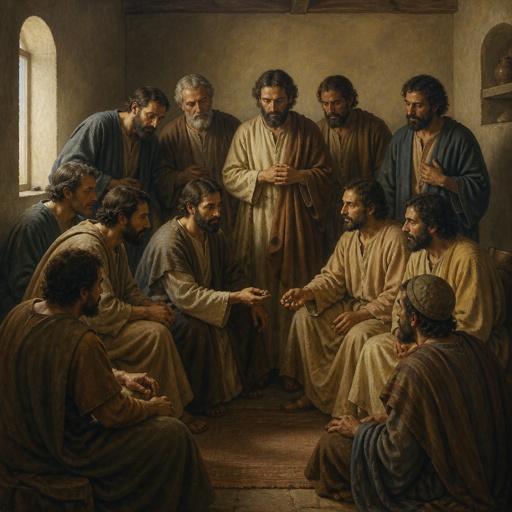
"And they gave forth their lots; and the lot fell upon Matthias; and he was numbered with the eleven apostles." - Acts 1:26

Acts 27:26 - "Howbeit we must be cast upon a certain island."

Acts 26:26 - "For the king knoweth of these things, before whom also I speak freely: for I am persuaded that none of these things are hidden from him; for this thing was not done in a corner."

Acts 26:19 - "Whereupon, O king Agrippa, I was not disobedient unto the heavenly vision:"

Acts 26:27 - "King Agrippa, believest thou the prophets? I know that thou believest."

Acts 15:26 - "Men that have hazarded their lives for the name of our Lord Jesus Christ."

Acts 23:26 - "Claudius Lysias unto the most excellent governor Felix sendeth greeting."
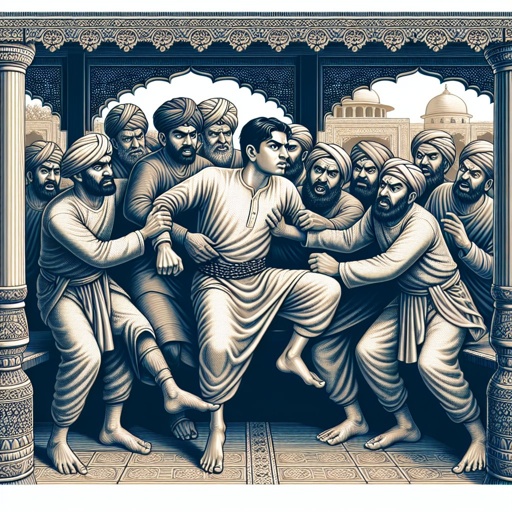
Acts 26:21 - "For these causes the Jews caught me in the temple, and went about to kill me."

Acts 26:28 - "Then Agrippa said unto Paul, Almost thou persuadest me to be a Christian."

Acts 26:12 - "Whereupon as I went to Damascus with authority and commission from the chief priests,"

James 1:26-27 - "James 1:26-27: If anyone considers himself religious and yet does not keep a tight rein on his tongue, he deceives himself and his religion is worthless. Religion that God our Father accepts as pure and faultless is this: to look after orphans and widows in their distress and to keep oneself from being polluted by the world."

Acts 26:8 - "Why should it be thought a thing incredible with you, that God should raise the dead?"

Acts 26:6 - "And now I stand and am judged for the hope of the promise made of God unto our fathers:"

Acts 26:30 - "And when he had thus spoken, the king rose up, and the governor, and Bernice, and they that sat with them:"

Acts 10:26 - "But Peter took him up, saying, Stand up; I myself also am a man."

2 Chronicles 35:26 - "Now the rest of the acts of Josiah, and his goodness, according to that which was written in the law of the LORD,"

Acts 26:17 - "Delivering thee from the people, and from the Gentiles, unto whom now I send thee,"

2 Chronicles 25:26 - "Now the rest of the acts of Amaziah, first and last, behold, are they not written in the book of the kings of Judah and Israel?"

Acts 4:26 - "The kings of the earth stood up, and the rulers were gathered together against the Lord, and against his Christ."

Acts 26:25 - "But he said, I am not mad, most noble Festus; but speak forth the words of truth and soberness."

Acts 26:9 - "I verily thought with myself, that I ought to do many things contrary to the name of Jesus of Nazareth."

Acts 20:26 - "Wherefore I take you to record this day, that I am pure from the blood of all men."

2 Chronicles 26:22 - "¶ Now the rest of the acts of Uzziah, first and last, did Isaiah the prophet, the son of Amoz, write."

Acts 14:26 - "And thence sailed to Antioch, from whence they had been recommended to the grace of God for the work which they fulfilled."

2 Kings 15:26 - "And the rest of the acts of Pekahiah, and all that he did, behold, they are written in the book of the chronicles of the kings of Israel."

2 Chronicles 28:26 (KJVA) 26 Now the rest of his acts and of all his ways, first and last, behold, they are written in the book of the kings of Judah and Israel.

2 Chronicles 28:26 (KJVA) 26 Now the rest of his acts and of all his ways, first and last, behold, they are written in the book of the kings of Judah and Israel.