What does Acts 23:26 mean?
"Claudius Lysias unto the most excellent governor Felix sendeth greeting." - Acts 23:26

The verse Acts 23:26 in the King James Version (KJV) of the Bible reads, "Claudius Lysias unto the most excellent governor Felix, sendeth greeting." This verse is situated in the New Testament and is part of the book of Acts, which is a sequel to the Gospel of Luke and is attributed to the authorship of Luke, who was a companion of the Apostle Paul.
In order to fully understand the significance of this verse, it is important to delve into the historical and cultural context in which it was written. The verse is part of a letter sent by the Roman tribune Claudius Lysias to the governor Felix. At this time, Israel was under Roman occupation, and Felix was appointed as the procurator of Judea by the Roman emperor. The Apostle Paul had been taken into custody by the Roman authorities, and this letter was sent in relation to his imprisonment and subsequent legal proceedings.
The letter serves as a means of communication between two prominent Roman officials and sheds light on the political and legal dynamics of the time. It signifies the Roman government's involvement in the affairs of the early Christian community and highlights the significance of Paul's case in the eyes of the Roman authorities. The use of the term "most excellent governor" in the salutation reflects the formal and respectful nature of the correspondence, as well as the hierarchical structure of the Roman administrative system.
From a thematic perspective, this verse underscores the themes of authority, governance, and justice. The reference to Claudius Lysias as a tribune and Felix as a governor emphasizes the exercise of power and the chain of command within the Roman ruling class. Additionally, the letter pertains to the legal proceedings against Paul, thereby touching upon the theme of justice and the legal rights of individuals within the Roman legal system. Moreover, the presence of Roman officials in the narrative of the early Christian church highlights the intersection of religious and political authority, as well as the challenges faced by the early Christians in navigating the complexities of the Roman imperial context.
Symbolically, this verse can be viewed as a representation of the broader dynamics of power and governance in the New Testament narrative. The Roman officials mentioned in the verse embody the secular authority that was omnipresent in the lives of the early Christians. The interactions between the Roman authorities and the early Christian community reflected the tensions and complexities arising from the coexistence of the burgeoning Christian movement within the Roman Empire. Furthermore, the letter serves as a reminder of the contextual realities and challenges faced by the early Christian church, as it sought to establish its identity and legitimacy within the Roman world.
In conclusion, Acts 23:26 in the King James Version of the Bible encapsulates a pivotal moment in the narrative of the early Christian church, shedding light on the political, legal, and social dynamics of the time. The verse reflects the formal communication between Roman officials and symbolizes the broader themes of authority, governance, and justice within the context of the Roman Empire. Furthermore, it serves as a reminder of the complex interplay between religious and political authority in the early Christian movement.
Have questions about Acts 23:26?
Dive deeper into this scripture with Bible Chat — an AI-powered tool for exploring God's Word through conversation. Ask questions, get context, and grow in your understanding of the Bible.
Get Our Apps


Acts 23:26 Artwork

Acts 23:26 - "Claudius Lysias unto the most excellent governor Felix sendeth greeting."

"Claudius Lysias unto the most excellent governor Felix sendeth greeting." - Acts 23:26

Acts 26:23 - "That Christ should suffer, and that he should be the first that should rise from the dead, and should shew light unto the people, and to the Gentiles."

"That Christ should suffer, and that he should be the first that should rise from the dead, and should shew light unto the people, and to the Gentiles." - Acts 26:23

Acts 1:21-23

Matthieu 5:23-26

Acts 23:25 - "And he wrote a letter after this manner:"

Acts 27:26 - "Howbeit we must be cast upon a certain island."

1 Chronicles 26:23 - "Of the Amramites, and the Izharites, the Hebronites, and the Uzzielites:"

Leviticus 23:26 - "¶ And the LORD spake unto Moses, saying,"

Acts 26:26 - "For the king knoweth of these things, before whom also I speak freely: for I am persuaded that none of these things are hidden from him; for this thing was not done in a corner."

Acts 26:19 - "Whereupon, O king Agrippa, I was not disobedient unto the heavenly vision:"

Acts 26:27 - "King Agrippa, believest thou the prophets? I know that thou believest."

Acts 15:26 - "Men that have hazarded their lives for the name of our Lord Jesus Christ."
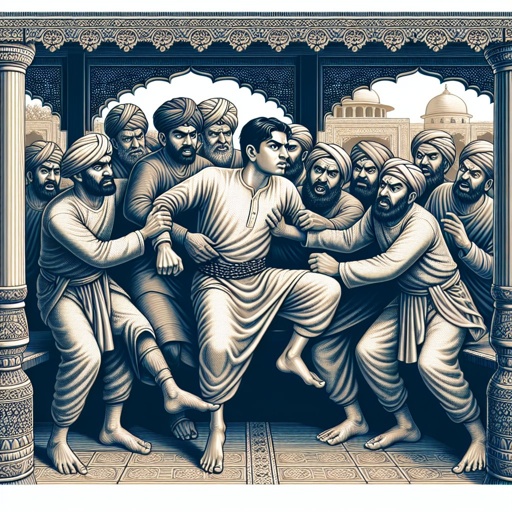
Acts 26:21 - "For these causes the Jews caught me in the temple, and went about to kill me."

Acts 26:28 - "Then Agrippa said unto Paul, Almost thou persuadest me to be a Christian."

Acts 26:12 - "Whereupon as I went to Damascus with authority and commission from the chief priests,"

2 Samuel 23:26 - "Helez the Paltite, Ira the son of Ikkesh the Tekoite,"

Genesis 26:23 - "And he went up from thence to Beer-sheba."

Acts 19:23 - "And the same time there arose no small stir about that way."

Acts 23:4 - "And they that stood by said, Revilest thou God's high priest?"

Acts 23:32 - "On the morrow they left the horsemen to go with him, and returned to the castle:"

Acts 8:23 - "For I perceive that thou art in the gall of bitterness, and in the bond of iniquity."

Acts 23:13 - "And they were more than forty which had made this conspiracy."

Acts 26:8 - "Why should it be thought a thing incredible with you, that God should raise the dead?"

Leviticus 26:23 - "And if ye will not be reformed by me by these things, but will walk contrary unto me;"

Acts 22:23 - "And as they cried out, and cast off their clothes, and threw dust into the air,"

Acts 1:26 - "And they gave forth their lots; and the lot fell upon Matthias; and he was numbered with the eleven apostles."

Acts 23:31 - "Then the soldiers, as it was commanded them, took Paul, and brought him by night to Antipatris."

Acts 1:23 - "And they appointed two, Joseph called Barsabas, who was surnamed Justus, and Matthias."