What does Acts 17:34 mean?
"Howbeit certain men clave unto him, and believed: among the which was Dionysius the Areopagite, and a woman named Damaris, and others with them." - Acts 17:34
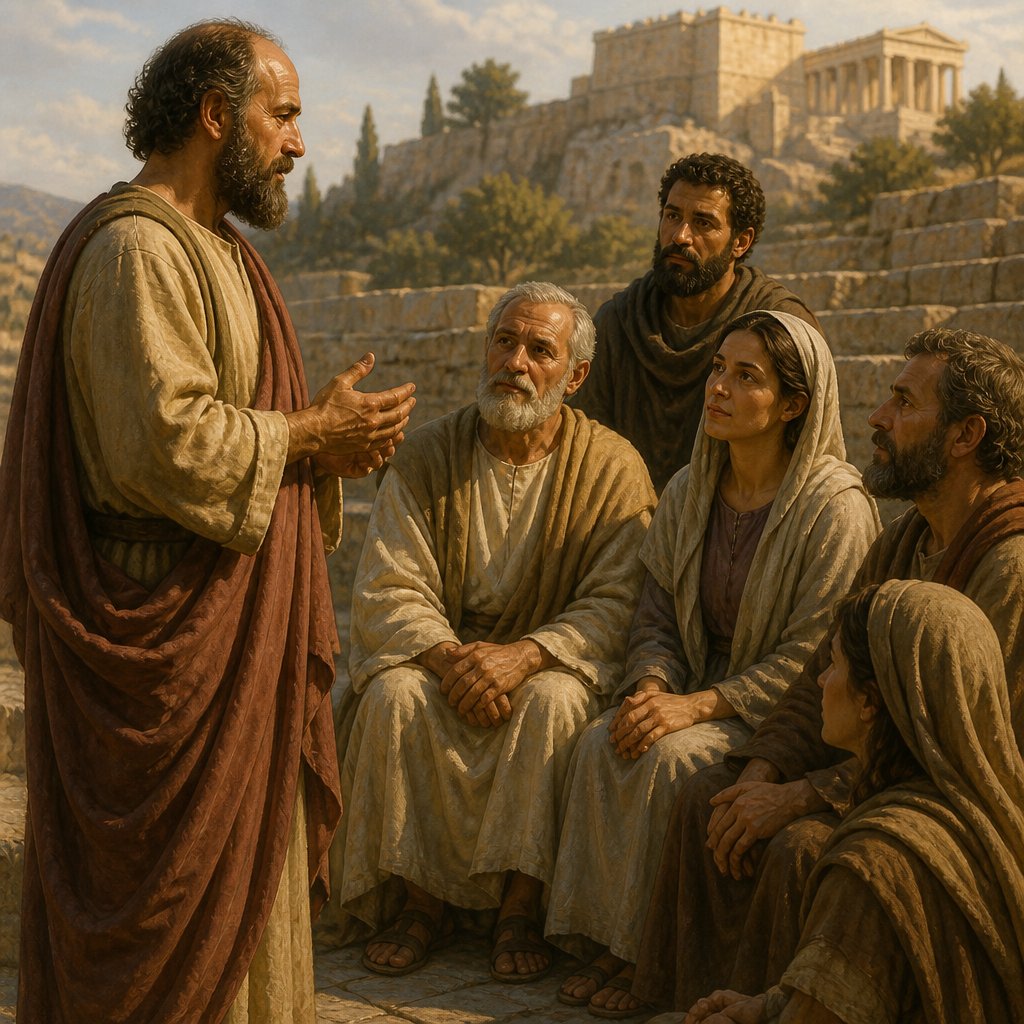
Acts 17:34 (KJV) says, "Howbeit certain men clave unto him, and believed: among the which was Dionysius the Areopagite, and a woman named Damaris, and others with them."
This verse comes from the book of Acts, which is the fifth book of the New Testament. It was written by Luke, the author of the Gospel of Luke, and serves as a continuation of the story of Jesus' life, death, and resurrection. The book of Acts focuses on the early Christian church and the spread of the gospel message throughout the known world.
In this particular verse, we find Paul, a major figure in the early Christian church, preaching in Athens to the philosophers and intellectuals of the city. The passage leading up to this verse describes Paul's encounter with these individuals and his presentation of the gospel to them. Despite the skepticism and intellectualism of the Athenians, some of them responded positively to Paul's message.
The verse mentions specific individuals who believed in Paul's message: Dionysius the Areopagite and a woman named Damaris. Dionysius the Areopagite was a member of the Areopagus, which was a council in Athens responsible for matters of religion and morals. His conversion to Christianity would have been significant, as it showed that even the educated and influential people of the city were coming to faith in Christ. Damaris is only briefly mentioned, but her inclusion in the passage is notable as it demonstrates that women were also responding to the gospel message and becoming part of the early Christian community.
One of the key themes of this verse is the universality of the gospel. The fact that people from different backgrounds and social standings were responding to the message of Christ shows that the gospel is not limited to any particular group of people. It is for everyone, regardless of their status or education.
Another theme is the power of faith. Despite the skepticism and intellectualism of the Athenians, there were individuals who were willing to believe in the message that Paul preached. Their faith in Christ was a radical departure from the prevailing philosophies and religious beliefs of the city, and it serves as a powerful example of the transformative power of the gospel.
In a broader context, this passage also speaks to the mission of the early Christian church to spread the message of Christ to the ends of the earth. The fact that Paul was preaching in Athens, a center of learning and philosophy, underscores the church's commitment to reaching people in all areas of life and society.
There is also symbolism in the inclusion of Dionysius and Damaris in this verse. Dionysius, as a member of the Areopagus, represents the influence of the gospel in the upper echelons of society. Damaris, on the other hand, represents the inclusivity of the gospel, as women in the ancient world did not have the same social status or opportunities as men. Their inclusion in the passage demonstrates that the gospel is for people of all backgrounds and social standings.
Overall, Acts 17:34 is a significant verse that highlights the spread of the gospel message in the early Christian church. It demonstrates the power of faith and the inclusivity of the gospel, and it serves as a reminder that the message of Christ is for everyone, regardless of their background or status in society.
Have questions about Acts 17:34?
Dive deeper into this scripture with Bible Chat — an AI-powered tool for exploring God's Word through conversation. Ask questions, get context, and grow in your understanding of the Bible.
Get Our Apps


Acts 17:34 Artwork

Acts 17:34 - "Howbeit certain men clave unto him, and believed: among the which was Dionysius the Areopagite, and a woman named Damaris, and others with them."
"Howbeit certain men clave unto him, and believed: among the which was Dionysius the Areopagite, and a woman named Damaris, and others with them." - Acts 17:34

Acts 15:34 - "Notwithstanding it pleased Silas to abide there still."

Acts 2:17

Acts 2:17

1 Samuel 17:34-35

Acts 2:17

Exodus 34:17 - "Thou shalt make thee no molten gods."

Acts 10:34 - "¶ Then Peter opened his mouth, and said, Of a truth I perceive that God is no respecter of persons:"

"Notwithstanding it pleased Silas to abide there still." - Acts 15:34

Acts 16:17

Acts 17:15

Acts 14:17

Acts 17:27

Psalms 34:17 - "The righteous cry, and the LORD heareth, and delivereth them out of all their troubles."

Acts 20:34 - "Yea, ye yourselves know, that these hands have ministered unto my necessities, and to them that were with me."

Acts 8:34 - "And the eunuch answered Philip, and said, I pray thee, of whom speaketh the prophet this? of himself, or of some other man?"

Acts 17:17 - "Therefore disputed he in the synagogue with the Jews, and with the devout persons, and in the market daily with them that met with him."

Acts 2:34 - "For David is not ascended into the heavens: but he saith himself, The LORD said unto my Lord, Sit thou on my right hand,"

Acts 19:34 - "But when they knew that he was a Jew, all with one voice about the space of two hours cried out, Great is Diana of the Ephesians."

2 Kings 10:34 - "Now the rest of the acts of Jehu, and all that he did, and all his might, are they not written in the book of the chronicles of the kings of Israel?"

Acts 23:34 - "And when the governor had read the letter, he asked of what province he was. And when he understood that he was of Cilicia;"

Genesis 34:17 - "But if ye will not hearken unto us, to be circumcised; then will we take our daughter, and we will be gone."
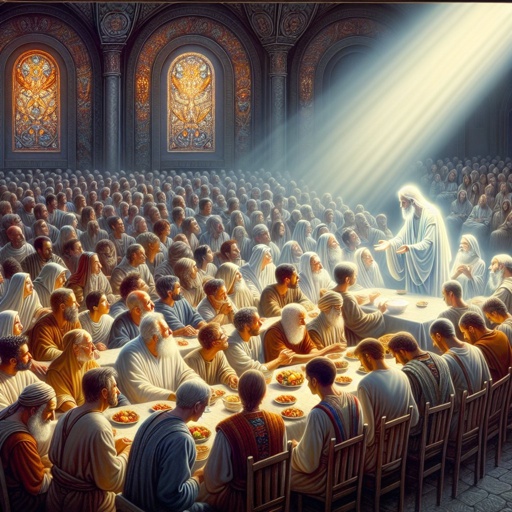
Acts 27:34 - "Wherefore I pray you to take some meat: for this is for your health: for there shall not an hair fall from the head of any of you."

Job 34:17 - "Shall even he that hateth right govern? and wilt thou condemn him that is most just?"

Acts 17:33 - "So Paul departed from among them."

2 Chronicles 20:34 - "Now the rest of the acts of Jehoshaphat, first and last, behold, they are written in the book of Jehu the son of Hanani, who is mentioned in the book of the kings of Israel."
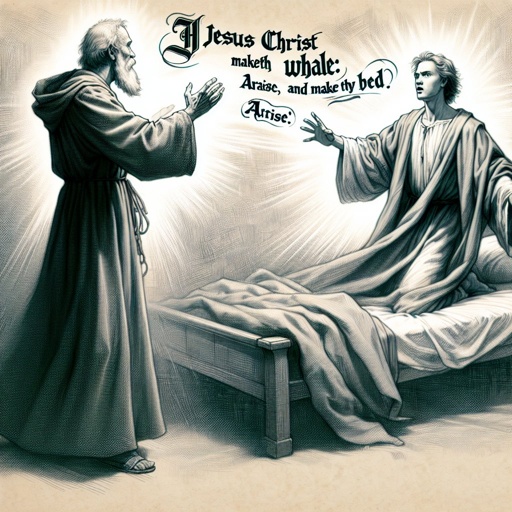
Acts 9:34 - "And Peter said unto him, Aeneas, Jesus Christ maketh thee whole: arise, and make thy bed. And he arose immediately."

Acts 4:34 - "Neither was there any among them that lacked: for as many as were possessors of lands or houses sold them, and brought the prices of the things that were sold,"

Numbers 34:17 - "These are the names of the men which shall divide the land unto you: Eleazar the priest, and Joshua the son of Nun."