What does Acts 17:30 mean?
"And the times of this ignorance God winked at; but now commandeth all men every where to repent:" - Acts 17:30
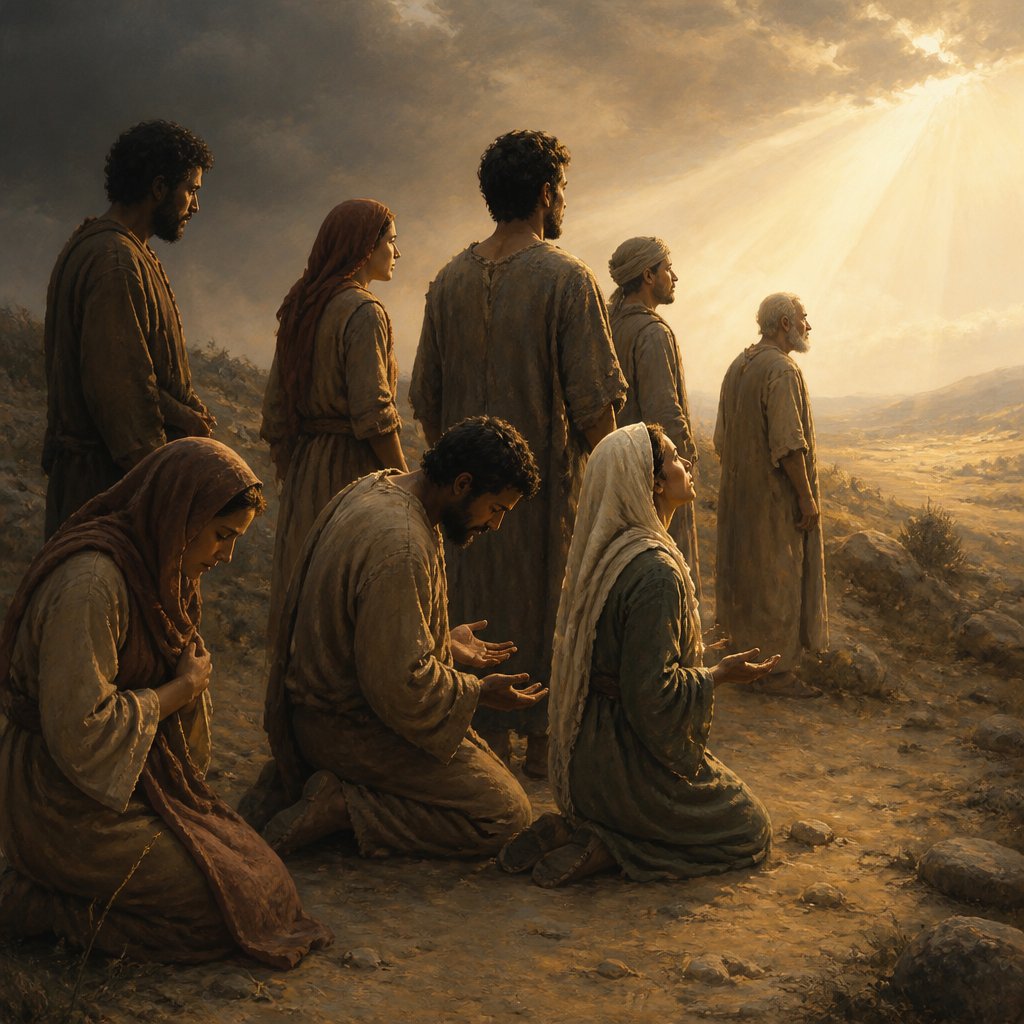
The verse Acts 17:30 from the King James Version reads, "And the times of this ignorance God winked at; but now commandeth all men every where to repent." This verse is part of a larger passage in the book of Acts, which focuses on the spread of the gospel and the conversion of individuals to Christianity.
In order to fully understand the meaning and significance of Acts 17:30, it is important to consider the context in which it is situated. In Acts 17, the apostle Paul is preaching in Athens, a city known for its idolatry and intellectualism. As Paul walks through the city, he is deeply troubled by the multitude of idols and sets out to reason with the Jews and the devout persons who also believed in God. In this passage, Paul also engages with the Epicurean and Stoic philosophers, discussing the nature of God and the message of the gospel.
Acts 17:30 is a pivotal verse within this story, as Paul uses it to convey a crucial message to his audience. The verse begins with the phrase "And the times of this ignorance God winked at," indicating that in the past, God had overlooked humanity's ignorance and lack of understanding. This echoes the idea of God's grace and mercy, as He patiently waited for people to come to a knowledge of the truth.
However, the verse then transitions to a command from God for all people to repent. This call to repentance is universal and applies to "all men every where," emphasizing the inclusivity of the gospel message. This verse makes it clear that the time for ignorance has passed, and that God expects all individuals to turn from their former ways and seek forgiveness and reconciliation with Him.
One of the key themes present in Acts 17:30 is the concept of repentance. Repentance is a fundamental aspect of the Christian faith, as it involves acknowledging one's sins, turning away from them, and striving to live in accordance with God's will. This verse emphasizes that repentance is not optional, but rather a requirement for all people. It highlights the universal need for individuals to experience a change of heart and undergo spiritual transformation.
Another theme that emerges from this verse is the sovereignty of God. The phrase "God winked at" implies that God had the authority to overlook humanity's ignorance. This illustrates His patience and long-suffering nature, as well as His ultimate control over the course of human history. The command for repentance further reflects God's authority and expectations for His creation.
The context of Acts 17:30 also allows for an exploration of the theme of cultural and intellectual engagement. Paul's visit to Athens and his discussions with the philosophers demonstrate the intersection of faith and reason. By addressing the Athenians and engaging in dialogue with them, Paul demonstrates the importance of effectively communicating the gospel in a diverse and intellectual context.
Symbolism can also be found within Acts 17:30. The phrase "times of this ignorance" can be seen as a reference to the period before the coming of Christ, when humanity was in a state of spiritual darkness and separation from God. This ignorance is contrasted with the command for repentance, symbolizing the transition from spiritual blindness to illumination and understanding. The call to repentance serves as a symbol of God's desire for reconciliation and restoration, as well as the transformative power of the gospel message.
In conclusion, Acts 17:30 is a verse with deep theological significance and practical relevance for believers. It emphasizes the universal need for repentance, the sovereignty of God, the importance of engagement with diverse cultures, and the symbolism of spiritual transformation. This verse serves as a powerful exhortation for all individuals to turn from their former ways and embrace the message of salvation through Jesus Christ.
Have questions about Acts 17:30?
Dive deeper into this scripture with Bible Chat — an AI-powered tool for exploring God's Word through conversation. Ask questions, get context, and grow in your understanding of the Bible.
Get Our Apps


Acts 17:30 Artwork

Acts 17:30 - "And the times of this ignorance God winked at; but now commandeth all men every where to repent:"
"And the times of this ignorance God winked at; but now commandeth all men every where to repent:" - Acts 17:30

Acts 17:30-31 - "In the past God overlooked such ignorance, but now he commands all people everywhere to repent. For he has set a day when he will judge the world with justice by the man he has appointed. He has given proof of this to everyone by raising him from the dead."
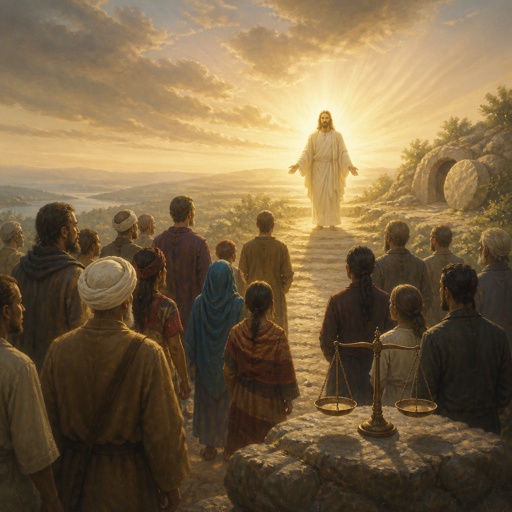
"In the past God overlooked such ignorance, but now he commands all people everywhere to repent. For he has set a day when he will judge the world with justice by the man he has appointed. He has given proof of this to everyone by raising him from the dead." - Acts 17:30-31

Acts 4:30

Acts 4:30

Acts 4:30

Acts 4:30

Acts 13:30 - "But God raised him from the dead:"

ACTS 8:30 Philip and the Ethiopian

Acts 2:17

Acts 2:17

Acts 2:17

Mark 10:17-30

Mark 10:17-30

Acts 16:17

Acts 17:15

Acts 14:17

Acts 11:30 - "Which also they did, and sent it to the elders by the hands of Barnabas and Saul."

Acts 17:27

Exodus 30:17 - "¶ And the LORD spake unto Moses, saying,"

Acts 19:30 - "And when Paul would have entered in unto the people, the disciples suffered him not."

Acts 16:30 - "And brought them out, and said, Sirs, what must I do to be saved?"

Acts 5:30 - "The God of our fathers raised up Jesus, whom ye slew and hanged on a tree."

Acts 17:17 - "Therefore disputed he in the synagogue with the Jews, and with the devout persons, and in the market daily with them that met with him."

Acts 9:30 - "Which when the brethren knew, they brought him down to Caesarea, and sent him forth to Tarsus."

"But God raised him from the dead:" - Acts 13:30

Acts 26:30 - "And when he had thus spoken, the king rose up, and the governor, and Bernice, and they that sat with them:"

Luke 17:30 - "Even thus shall it be in the day when the Son of man is revealed."

Acts 15:30 - "So when they were dismissed, they came to Antioch: and when they had gathered the multitude together, they delivered the epistle:"