What does Acts 17:18 mean?
"Then certain philosophers of the Epicureans, and of the Stoicks, encountered him. And some said, What will this babbler say? other some, He seemeth to be a setter forth of strange gods: because he preached unto them Jesus, and the resurrection." - Acts 17:18
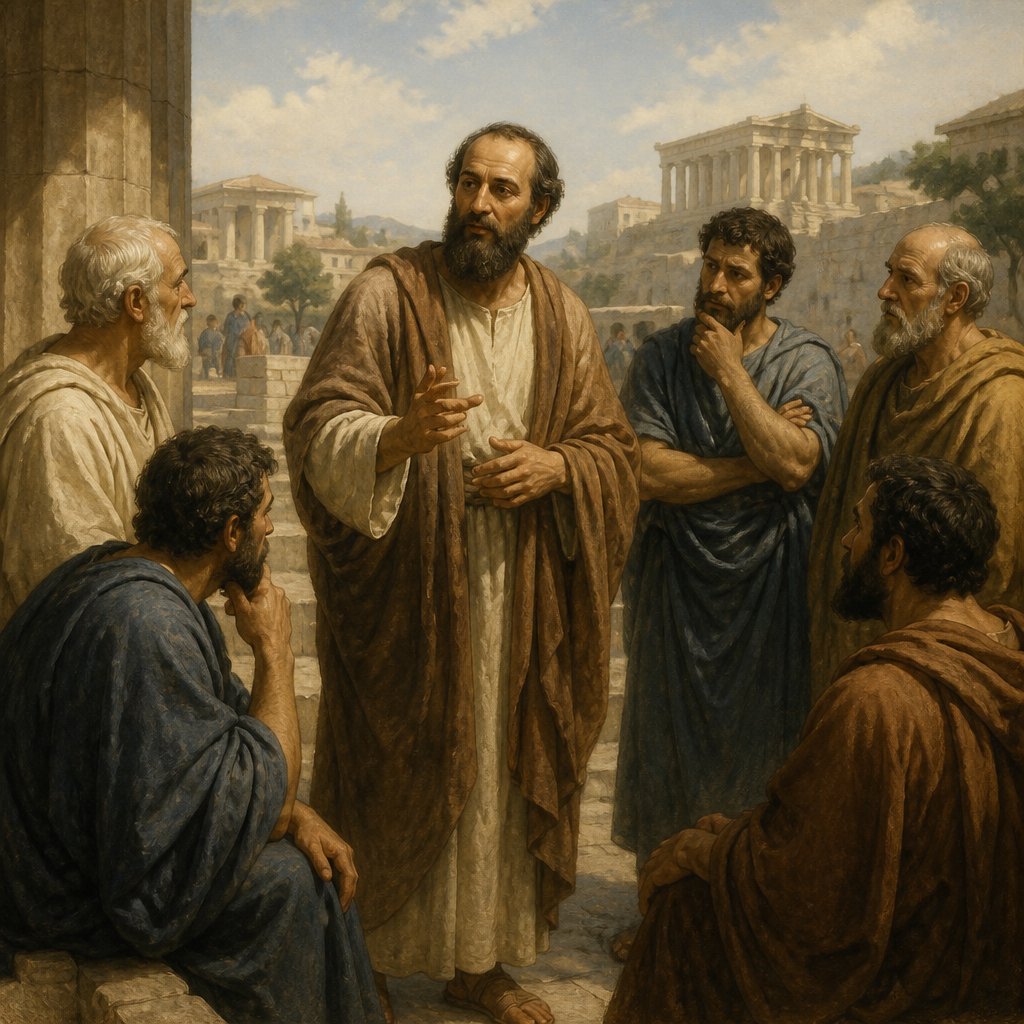
The verse Acts 17:18 from the King James Version of the Bible reads, "Then certain philosophers of the Epicureans, and of the Stoicks, encountered him. And some said, What will this babbler say? other some, He seemeth to be a setter forth of strange gods: because he preached unto them Jesus, and the resurrection."
This verse comes from the Book of Acts, which is the fifth book of the New Testament. It was written by the Apostle Luke and serves as a continuation of the Gospel of Luke, detailing the early days of the Christian Church and the spread of Christianity after the death and resurrection of Jesus Christ. In this particular verse, the Apostle Paul is in Athens, in the midst of a philosophical discussion with the Epicureans and Stoics. These were two of the major philosophical schools of thought in ancient Greece.
The encounter took place at the Areopagus, a prominent meeting place for philosophical and religious debate in Athens. The Epicureans were followers of the Greek philosopher Epicurus, who believed in the pursuit of pleasure and the avoidance of pain as the highest good. The Stoics, on the other hand, followed the teachings of Zeno of Citium and believed in living in harmony with nature and accepting the course of events with a calm, rational mind.
The reaction of the philosophers to Paul's teachings is quite telling. Some dismissed him as a "babbler," someone who spoke in a way that was difficult to understand or follow. Others accused him of being a proponent of "strange gods," as he preached about Jesus and the resurrection. This shows the clash between the Christian message and the philosophical beliefs of the time. The mention of the resurrection also would have been particularly controversial, as it flew in the face of the Greek concept of the afterlife.
One of the central themes of this verse is the clash between Christianity and the prevailing philosophical and religious beliefs of the time. It showcases the challenges faced by the early Christians as they sought to spread their message in a world that was deeply entrenched in its own belief systems. It also highlights the difficulty of communicating the Christian message to an audience that had a very different worldview.
The verse also speaks to the universal nature of the Christian message. Paul's teachings about Jesus and the resurrection were seen as strange and foreign by the philosophers, but they were intended for all people, regardless of their background or beliefs. This reflects the inclusive nature of Christianity and its message of salvation being offered to all.
In terms of symbolism, the encounter at the Areopagus represents the meeting of two different worldviews. It is a clash of ideas and beliefs, with Paul presenting the Christian message in the midst of entrenched philosophical thought. The response of the Epicureans and Stoics serves as a reminder of the challenges that come with spreading a new and unfamiliar message in a culture that is deeply rooted in its own traditions.
Overall, Acts 17:18 is a significant verse that offers insight into the early spread of Christianity and the challenges faced by its proponents. It also serves as a reminder of the universal nature of the Christian message and the need for openness and understanding in the face of differing beliefs.
Have questions about Acts 17:18?
Dive deeper into this scripture with Bible Chat — an AI-powered tool for exploring God's Word through conversation. Ask questions, get context, and grow in your understanding of the Bible.
Get Our Apps


Acts 17:18 Artwork

Acts 17:18 Then certain Epicurean and Stoic philosophers encountered him. And some said, “What does this babbler want to say?”

Acts 17:18 Then certain Epicurean and Stoic philosophers encountered him. And some said, “What does this babbler want to say?”

Acts 17:18 - "Then certain philosophers of the Epicureans, and of the Stoicks, encountered him. And some said, What will this babbler say? other some, He seemeth to be a setter forth of strange gods: because he preached unto them Jesus, and the resurrection."
"Then certain philosophers of the Epicureans, and of the Stoicks, encountered him. And some said, What will this babbler say? other some, He seemeth to be a setter forth of strange gods: because he preached unto them Jesus, and the resurrection." - Acts 17:18

Acts 18:17 - "Then all the Greeks took Sosthenes, the chief ruler of the synagogue, and beat him before the judgment seat. And Gallio cared for none of those things."

Acts 5:17-18 - "Then the high priest and all his associates, who were members of the party of the Sadducees, were filled with jealousy. They arrested the apostles and put them in the public jail."

Acts 2:17

Acts 2:17

Acts 2:17

Acts 16:17

Acts 14:17

Acts 17:15

Acts 17:27

Matthew 17:17-18

Acts 18:12

Acts 18:12

Matthew 17:17-18

Acts 17:17 - "Therefore disputed he in the synagogue with the Jews, and with the devout persons, and in the market daily with them that met with him."
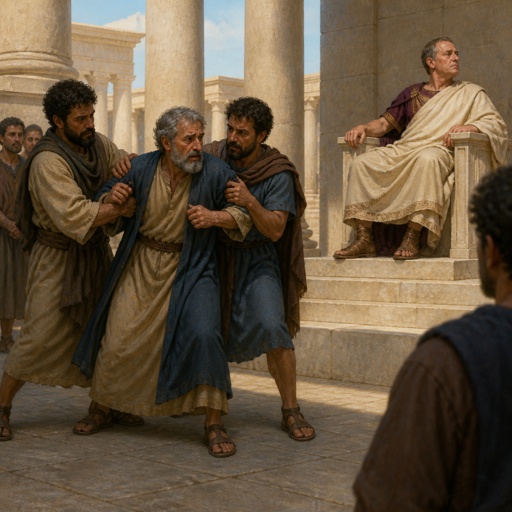
"Then all the Greeks took Sosthenes, the chief ruler of the synagogue, and beat him before the judgment seat. And Gallio cared for none of those things." - Acts 18:17

John 7:17-18

John 7:17-18

John 7:17-18

John 7:17-18

Acts 17:33 - "So Paul departed from among them."

Genesis 18-17

Genesis 17-18

Acts 8:17 - "Then laid they their hands on them, and they received the Holy Ghost."

Acts 18:16 - "And he drave them from the judgment seat."

Acts 19:18 - "And many that believed came, and confessed, and shewed their deeds."

Acts 17:8 - "And they troubled the people and the rulers of the city, when they heard these things."