What does Acts 15:28 mean?
"For it seemed good to the Holy Ghost, and to us, to lay upon you no greater burden than these necessary things;" - Acts 15:28
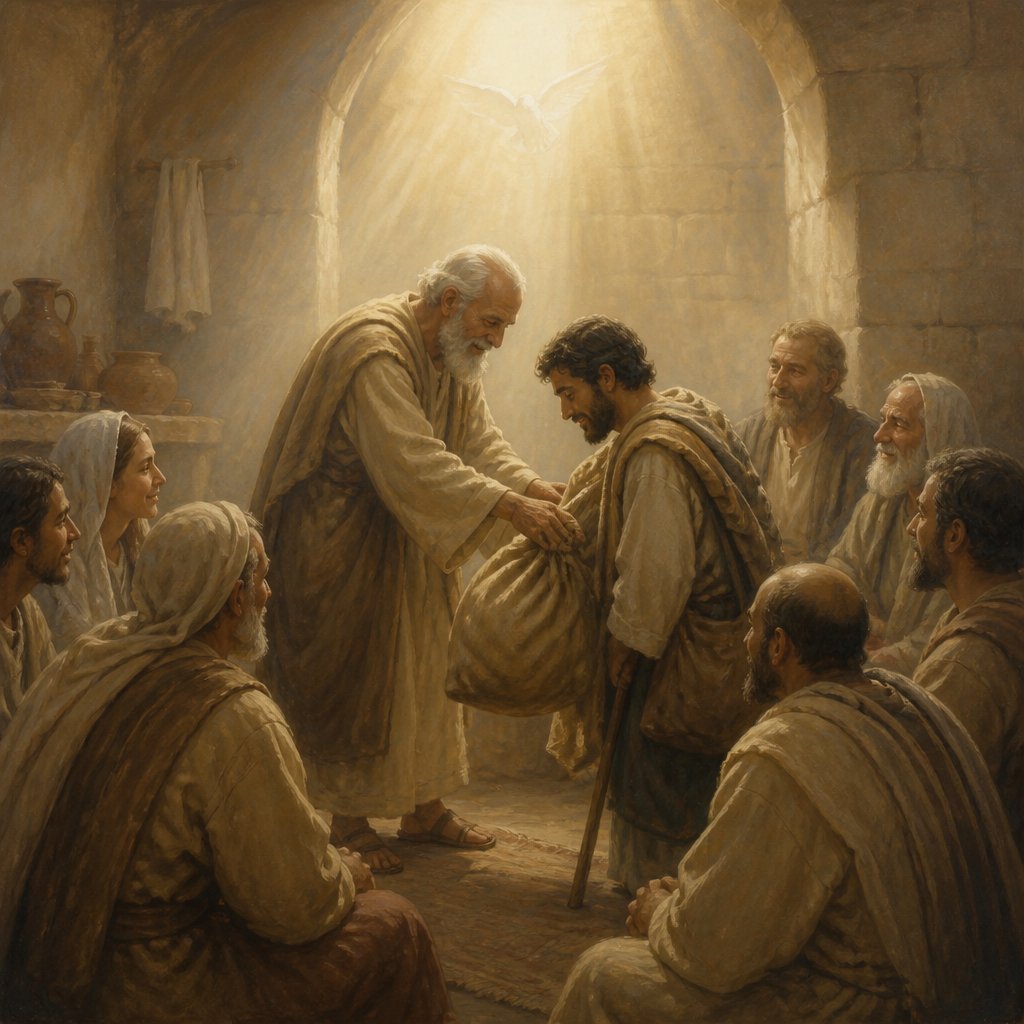
Acts 15:28 in the King James Version of the Bible states, "For it seemed good to the Holy Ghost, and to us, to lay upon you no greater burden than these necessary things." This verse is part of a larger passage in the book of Acts that discusses the decision of the early Christian church leaders in Jerusalem regarding the requirements for Gentile believers. To fully understand the significance of this verse, it is important to examine the context in which it was written, as well as the themes and symbolism it encompasses.
The book of Acts was written by Luke, a companion of the apostle Paul, and serves as a historical account of the early church and the spread of Christianity after the death and resurrection of Jesus Christ. Acts 15 describes a pivotal moment in the early church when the question of whether Gentile believers needed to follow the Jewish law, particularly circumcision, was raised. This issue threatened to divide the church, as some Jewish Christians believed that Gentiles could not truly be saved unless they adhered to Jewish customs and laws.
In Acts 15:28, the phrase "it seemed good to the Holy Ghost, and to us" carries significant weight. This demonstrates the early church's understanding of the guidance and influence of the Holy Spirit in their decision-making process. The Holy Spirit played a crucial role in leading and directing the early church as they grappled with important theological and practical matters. The phrase "it seemed good" indicates a sense of consensus and unity among the church leaders, as they believed that the decision they reached was in accordance with the will of the Holy Spirit.
The verse goes on to state that the church leaders decided not to burden the Gentile believers with any additional requirements beyond those that were necessary. This decision reflects the themes of grace, freedom, and inclusivity within the early Christian church. The leaders recognized that salvation comes through faith in Jesus Christ alone, and that Gentile believers should not be obligated to adhere to the Jewish law in order to be fully accepted into the community of faith. This decision aligned with the teachings of Jesus, who often challenged the legalism and exclusivity of the religious leaders of his time.
The context of Acts 15:28 also includes the specific "necessary things" that the church leaders determined were essential for Gentile believers to observe. These requirements included abstaining from food sacrificed to idols, from consuming blood, from eating the meat of strangled animals, and from sexual immorality (Acts 15:29). These regulations were designed to promote unity and fellowship between Jewish and Gentile believers, as well as to foster moral and ethical behavior within the early Christian community.
Symbolically, Acts 15:28 represents the overarching theme of the universality of the gospel message. The decision to not burden Gentile believers with the yoke of the law reflects the inclusive nature of Christianity, welcoming believers from all nations and backgrounds into the family of faith. This verse also underscores the authority of the Holy Spirit in guiding the church and shaping its doctrine and practice. The early church leaders recognized the importance of discerning the leading of the Holy Spirit and sought to align their decisions with His will.
In conclusion, Acts 15:28 from the King James Version of the Bible holds significant meaning within the broader context of the early Christian church. It captures the pivotal decision of the church leaders to extend grace and freedom to Gentile believers, as well as their reliance on the guidance of the Holy Spirit. This verse continues to serve as a reminder to Christians today of the importance of unity, inclusivity, and discerning the leading of the Holy Spirit in matters of faith and doctrine.
Have questions about Acts 15:28?
Dive deeper into this scripture with Bible Chat — an AI-powered tool for exploring God's Word through conversation. Ask questions, get context, and grow in your understanding of the Bible.
Get Our Apps


Acts 15:28 Artwork

Acts 15:28 - "For it seemed good to the Holy Ghost, and to us, to lay upon you no greater burden than these necessary things;"
"For it seemed good to the Holy Ghost, and to us, to lay upon you no greater burden than these necessary things;" - Acts 15:28

Acts 28:15 - "And from thence, when the brethren heard of us, they came to meet us as far as Appii forum, and The three taverns: whom when Paul saw, he thanked God, and took courage."

Acts 28:12

Acts 28:28 - "Be it known therefore unto you, that the salvation of God is sent unto the Gentiles, and that they will hear it."

Acts 14:28 - "And there they abode long time with the disciples."

each symbolic act the rotten belt the jars of wine the 28:08 purchase of the field and the Yoke communicated different aspects of God's message the rotten belt Illustrated 28:15 judah's spiritual corruption the jars of wine foretold the chaos and destruction 28:20 to come the purchase of the field during a Siege was a sign of Future Hope and 28:26 the Yoke represented the necessary submission to Babylonian rule as part of God's divine plan through these actions 28:33 Jeremiah not only proclaimed the word of God but embodied it in powerful and often painful ways he became a living 28:40 sign for his people his life a parable in action of God's love judgment and faithfulness

Acts 15:15 - "And to this agree the words of the prophets; as it is written,"

each symbolic act the rotten belt the jars of wine the 28:08 purchase of the field and the Yoke communicated different aspects of God's message the rotten belt Illustrated 28:15 judah's spiritual corruption the jars of wine foretold the chaos and destruction 28:20 to come the purchase of the field during a Siege was a sign of Future Hope and 28:26 the Yoke represented the necessary submission to Babylonian rule as part of God's divine plan through these actions 28:33 Jeremiah not only proclaimed the word of God but embodied it in powerful and often painful ways he became a living 28:40 sign for his people his life a parable in action of God's love judgment and faithfulness

acts 15

Acts 28:12 - "And landing at Syracuse, we tarried there three days."

Acts 9:28 - "And he was with them coming in and going out at Jerusalem."

Acts 28:1 - "And when they were escaped, then they knew that the island was called Melita."

Genesis 28-15

Acts 28:5 - "And he shook off the beast into the fire, and felt no harm."

Acts 8:28 - "Was returning, and sitting in his chariot read Esaias the prophet."

Acts 28:24 - "And some believed the things which were spoken, and some believed not."

Acts 7:28 - "Wilt thou kill me, as thou diddest the Egyptian yesterday?"

Acts 17:15

Acts 18:28 - "For he mightily convinced the Jews, and that publickly, shewing by the scriptures that Jesus was Christ."

Acts 26:28 - "Then Agrippa said unto Paul, Almost thou persuadest me to be a Christian."

Acts 4:28 - "For to do whatsoever thy hand and thy counsel determined before to be done."

1 Samuel 28:15

Exodus 28:15-30

"And there they abode long time with the disciples." - Acts 14:28

"And to this agree the words of the prophets; as it is written," - Acts 15:15

"Be it known therefore unto you, that the salvation of God is sent unto the Gentiles, and that they will hear it." - Acts 28:28

Acts 16:28 - "But Paul cried with a loud voice, saying, Do thyself no harm: for we are all here."

Acts 13:28 - "And though they found no cause of death in him, yet desired they Pilate that he should be slain."

Joshua 15:28 - "And Hazar-shual, and Beer-sheba, and Bizjothjah,"