What does Acts 15:2 mean?
"When therefore Paul and Barnabas had no small dissension and disputation with them, they determined that Paul and Barnabas, and certain other of them, should go up to Jerusalem unto the apostles and elders about this question." - Acts 15:2
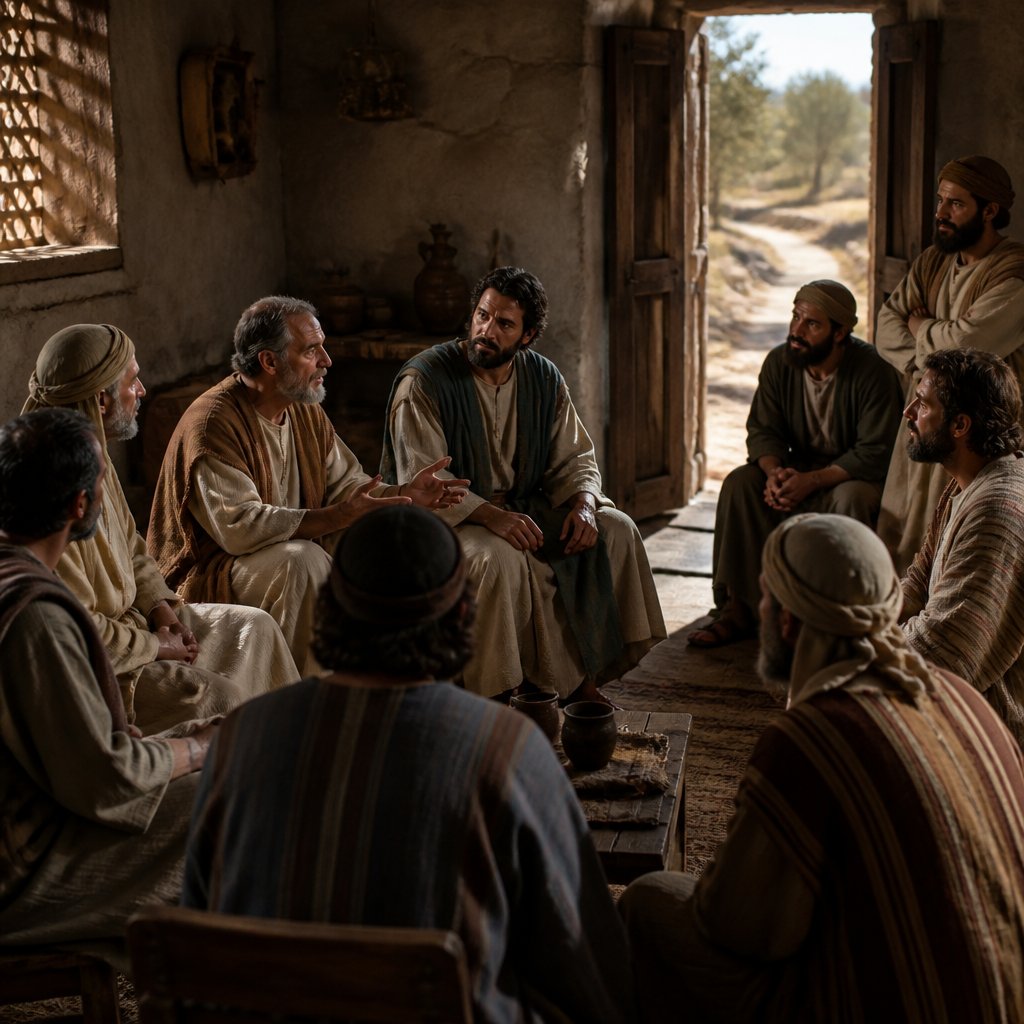
The King James Version of Acts 15:2 reads, "When therefore Paul and Barnabas had no small dissension and disputation with them, they determined that Paul and Barnabas, and certain other of them, should go up to Jerusalem unto the apostles and elders about this question."
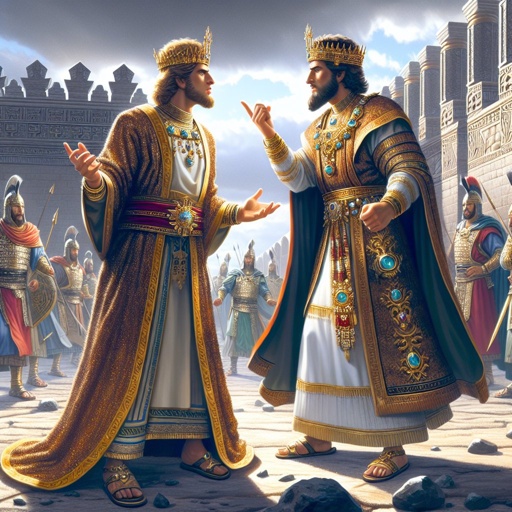
This verse takes place in the early Christian church, when there was much debate and disagreement about the necessity of circumcision for Gentile believers. The context of this verse is the Council at Jerusalem, where the apostles and elders gathered to discuss this issue and make a decision about it. The debate had become so heated that Paul and Barnabas, two prominent leaders in the early church, had "no small dissension and disputation" with certain individuals who were advocating for circumcision.
The theme of this verse is the importance of seeking unity and resolution within the church. It shows that even the early church, which was founded on the teachings of Jesus Christ and the work of the apostles, was not immune to division and disagreement. The fact that Paul and Barnabas felt it necessary to bring the issue to the larger body of believers in Jerusalem speaks to the seriousness of the dispute and the need for a unified decision.
This verse also highlights the role of leadership within the church. Paul and Barnabas were respected leaders within the early Christian community, and their involvement in the dispute shows their commitment to addressing and resolving issues that threatened the unity of the church. The decision to bring the matter to the apostles and elders in Jerusalem reflects a respect for authority and a willingness to submit to their judgment.
In terms of symbolism, the journey to Jerusalem can be seen as a metaphor for seeking truth and guidance from the spiritual center of the early Christian faith. Jerusalem was the birthplace of the Christian church, and it held significant historical and religious significance for all believers. By going to Jerusalem, Paul and Barnabas were acknowledging the importance of drawing on the wisdom and authority of the larger Christian community to address the dispute.
This verse also speaks to the broader theme of the inclusion of Gentile believers in the early church. The debate over circumcision was a key issue in the early Christian community, as it raised questions about the relationship between Jewish and Gentile followers of Jesus. The decision reached at the Council of Jerusalem, which affirmed the inclusion of Gentile believers without the requirement of circumcision, was a pivotal moment in the history of the church and had far-reaching implications for the spread of Christianity.
In conclusion, Acts 15:2 captures a significant moment in the early Christian church, when unity and resolution were sought in the face of a divisive issue. The verse highlights the importance of seeking guidance and wisdom from the broader Christian community, the role of leadership in addressing disputes, and the significance of inclusivity within the church. It serves as a reminder that even in the early days of the faith, the church faced internal challenges and disagreements, but through dialogue, respect for authority, and a commitment to unity, these issues could be addressed and resolved.
Have questions about Acts 15:2?
Dive deeper into this scripture with Bible Chat — an AI-powered tool for exploring God's Word through conversation. Ask questions, get context, and grow in your understanding of the Bible.
Get Our Apps


Acts 15:2 Artwork

Acts 15:2 - "When therefore Paul and Barnabas had no small dissension and disputation with them, they determined that Paul and Barnabas, and certain other of them, should go up to Jerusalem unto the apostles and elders about this question."
"When therefore Paul and Barnabas had no small dissension and disputation with them, they determined that Paul and Barnabas, and certain other of them, should go up to Jerusalem unto the apostles and elders about this question." - Acts 15:2

Acts 2:15 - "For these are not drunken, as ye suppose, seeing it is but the third hour of the day."

2 Kings 15:15 - "And the rest of the acts of Shallum, and his conspiracy which he made, behold, they are written in the book of the chronicles of the kings of Israel."

2 Kings 15:11 - "And the rest of the acts of Zachariah, behold, they are written in the book of the chronicles of the kings of Israel."
2 Kings 15:6 - "And the rest of the acts of Azariah, and all that he did, are they not written in the book of the chronicles of the kings of Judah?"

2 Kings 15:21 - "¶ And the rest of the acts of Menahem, and all that he did, are they not written in the book of the chronicles of the kings of Israel?"

2 Kings 15:31 - "And the rest of the acts of Pekah, and all that he did, behold, they are written in the book of the chronicles of the kings of Israel."

2 Kings 15:36 - "¶ Now the rest of the acts of Jotham, and all that he did, are they not written in the book of the chronicles of the kings of Judah?"

2 Kings 15:26 - "And the rest of the acts of Pekahiah, and all that he did, behold, they are written in the book of the chronicles of the kings of Israel."
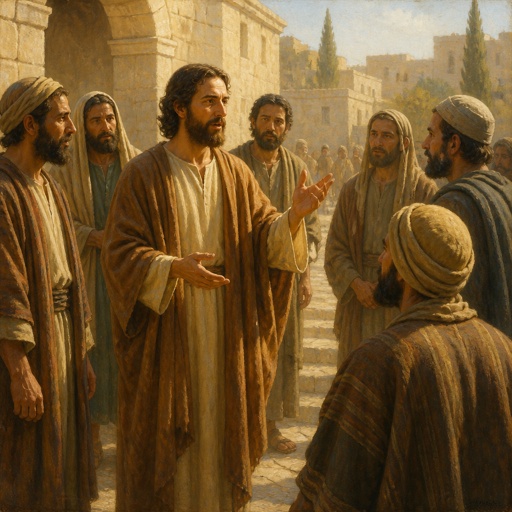
"For these are not drunken, as ye suppose, seeing it is but the third hour of the day." - Acts 2:15

Acts 15:15 - "And to this agree the words of the prophets; as it is written,"

acts 15

2 Chronicles 12:15 - "Now the acts of Rehoboam, first and last, are they not written in the book of Shemaiah the prophet, and of Iddo the seer concerning genealogies? And there were wars between Rehoboam and Jeroboam continually."
2 Kings 14:15 - "¶ Now the rest of the acts of Jehoash which he did, and his might, and how he fought with Amaziah king of Judah, are they not written in the book of the chronicles of the kings of Israel?"

Acts 17:15

"And the rest of the acts of Shallum, and his conspiracy which he made, behold, they are written in the book of the chronicles of the kings of Israel." - 2 Kings 15:15

"And the rest of the acts of Zachariah, behold, they are written in the book of the chronicles of the kings of Israel." - 2 Kings 15:11

"And to this agree the words of the prophets; as it is written," - Acts 15:15

Acts 15:34 - "Notwithstanding it pleased Silas to abide there still."

"¶ And the rest of the acts of Menahem, and all that he did, are they not written in the book of the chronicles of the kings of Israel?" - 2 Kings 15:21
"And the rest of the acts of Azariah, and all that he did, are they not written in the book of the chronicles of the kings of Judah?" - 2 Kings 15:6

put on a scroll acts 15:29

Acts 15:31 - "Which when they had read, they rejoiced for the consolation."

Acts 15:6 - "¶ And the apostles and elders came together for to consider of this matter."

Acts 2:2

Acts 15:41 - "And he went through Syria and Cilicia, confirming the churches."

Acts 2:2

"And the rest of the acts of Pekah, and all that he did, behold, they are written in the book of the chronicles of the kings of Israel." - 2 Kings 15:31

"And the rest of the acts of Pekahiah, and all that he did, behold, they are written in the book of the chronicles of the kings of Israel." - 2 Kings 15:26