What does Acts 14:7 mean?
"And there they preached the gospel." - Acts 14:7
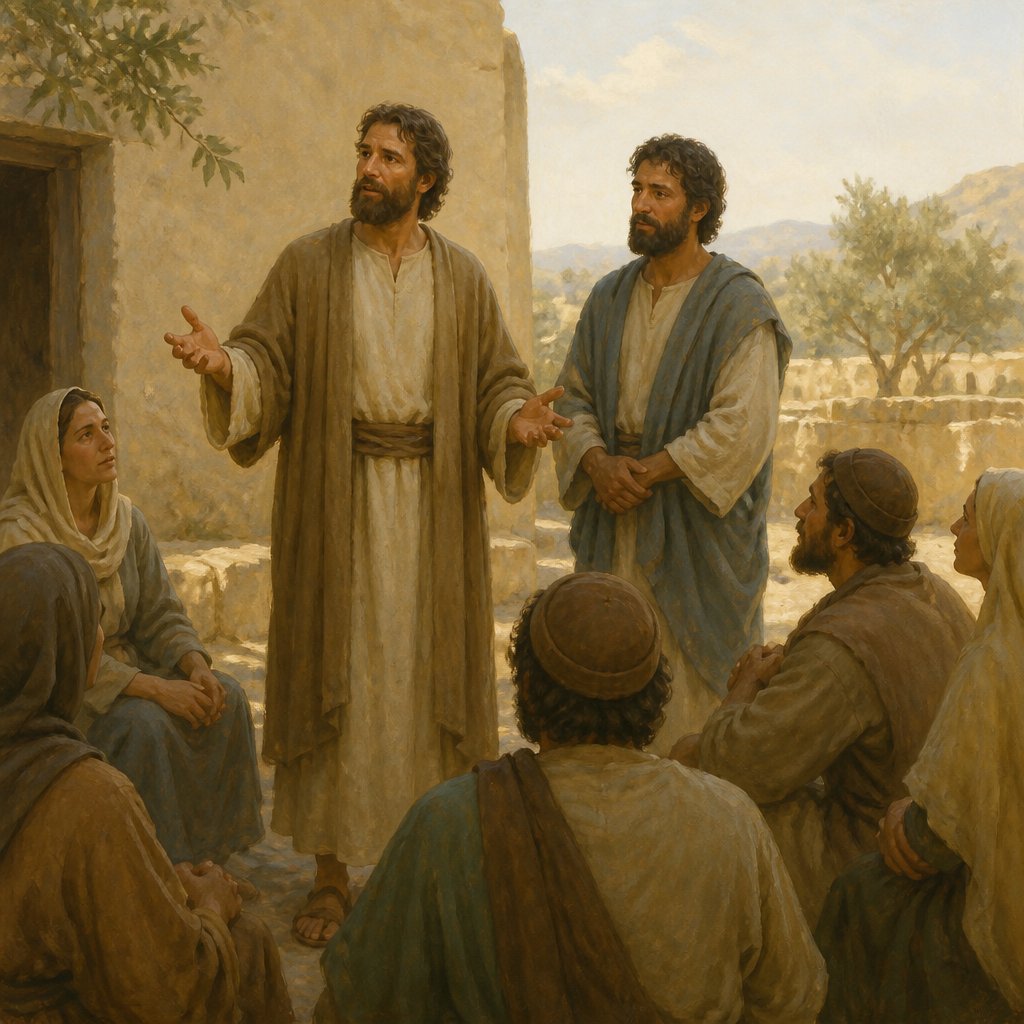
The Bible verse Acts 14:7 in the King James Version (KJV) states, "And there they preached the gospel." This verse is a simple yet powerful statement about the spread of the Christian gospel as recorded in the book of Acts, which is the fifth book of the New Testament. This particular verse is part of the account of Paul and Barnabas' missionary journey to the cities of Lystra and Derbe, where they preached the good news of Jesus Christ.
The book of Acts is a historical account of the early church and the spread of Christianity following the death and resurrection of Jesus Christ. The verse Acts 14:7 is nestled within a larger narrative about Paul and Barnabas' efforts to share the message of salvation in Christ with the Gentiles, or non-Jewish people, in the region of Galatia. This verse highlights the central focus of their mission and underscores the importance of proclaiming the gospel to all people.
One of the key themes of Acts 14:7 is the Great Commission, which is the instruction given by Jesus to his disciples to go and make disciples of all nations, baptizing them in the name of the Father, and of the Son, and of the Holy Spirit (Matthew 28:19-20). The verse reflects the obedience of Paul and Barnabas in fulfilling this commission by actively preaching the gospel in new and unfamiliar territories, despite the challenges and opposition they faced.
The context of Acts 14:7 is essential for understanding the significance of the verse. Leading up to this point in the narrative, Paul and Barnabas had encountered both acceptance and hostility as they traveled from city to city, sharing the message of Jesus. In Lystra, they healed a man who had been lame from birth, causing the crowd to mistake them for gods. However, when Paul began to preach the truth about Jesus as the one true God, the crowd turned against them, and Paul was even stoned and left for dead (Acts 14:8-20).
Despite the persecution they faced, Paul and Barnabas remained steadfast in their mission, persevering in their commitment to preach the gospel. This context adds depth to the verse by highlighting the courage, determination, and faithfulness of the early apostles in the face of adversity. Acts 14:7 serves as a reminder of the unwavering dedication of Paul and Barnabas to share the life-changing message of Jesus Christ, regardless of the obstacles they encountered.
Symbolism in Acts 14:7 can be found in the act of preaching the gospel itself. The word "gospel" translates to "good news" and represents the message of salvation, redemption, and eternal life through faith in Jesus Christ. The act of preaching the gospel signifies the proclamation of hope, love, and forgiveness to a world in need of spiritual healing. It symbolizes the spreading of light in the midst of darkness and the offer of grace in the midst of sin.
In conclusion, Acts 14:7 captures the essence of the early church's fervent commitment to share the gospel with all people, despite the challenges and opposition they faced. The verse emphasizes the importance of fulfilling the Great Commission and reflects the unwavering dedication of Paul and Barnabas to proclaim the message of Jesus Christ. Through its themes, context, and symbolism, Acts 14:7 continues to inspire and challenge believers to carry on the mission of sharing the good news of salvation with a world in need.
Have questions about Acts 14:7?
Dive deeper into this scripture with Bible Chat — an AI-powered tool for exploring God's Word through conversation. Ask questions, get context, and grow in your understanding of the Bible.
Get Our Apps


Acts 14:7 Artwork

Acts 14:7 - "And there they preached the gospel."

"And there they preached the gospel." - Acts 14:7

Acts 7:14 - "Then sent Joseph, and called his father Jacob to him, and all his kindred, threescore and fifteen souls."
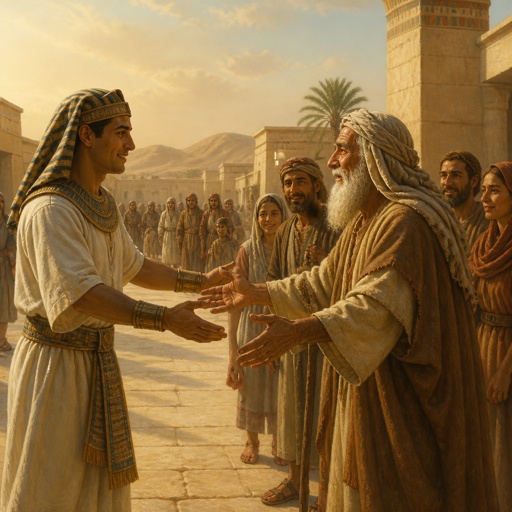
"Then sent Joseph, and called his father Jacob to him, and all his kindred, threescore and fifteen souls." - Acts 7:14

Acts 14:17

Acts 3:6-7

Acts 3:6-7

Acts 3:6-7

Acts 3:6-7

Acts 3:6-7

Acts 14:28 - "And there they abode long time with the disciples."

Acts 14:14 - "Which when the apostles, Barnabas and Paul, heard of, they rent their clothes, and ran in among the people, crying out,"

acts 20:7-12

Acts 7:47 - "But Solomon built him an house."

Acts 14:24 - "And after they had passed throughout Pisidia, they came to Pamphylia."

Acts 7:1 - "Then said the high priest, Are these things so?"

Acts 19:7 - "And all the men were about twelve."

Depict the events of Acts 19:14-17

Acts 27:14 - "But not long after there arose against it a tempestuous wind, called Euroclydon."

Acts 14:25 - "And when they had preached the word in Perga, they went down into Attalia:"

Acts 14:4 - "But the multitude of the city was divided: and part held with the Jews, and part with the apostles."

Acts 7:50 - "Hath not my hand made all these things?"

Acts 14:16 - "Who in times past suffered all nations to walk in their own ways."

Acts 14:18 - "And with these sayings scarce restrained they the people, that they had not done sacrifice unto them."

Acts 5:14 - "And believers were the more added to the Lord, multitudes both of men and women.)"

Acts 7:7 - "And the nation to whom they shall be in bondage will I judge, said God: and after that shall they come forth, and serve me in this place."

2 Kings 14:18 - "And the rest of the acts of Amaziah, are they not written in the book of the chronicles of the kings of Judah?"

Acts 14:12 - "And they called Barnabas, Jupiter; and Paul, Mercurius, because he was the chief speaker."

Acts 21:14 - "And when he would not be persuaded, we ceased, saying, The will of the Lord be done."

Acts 7:18 - "Till another king arose, which knew not Joseph."