What does Acts 14:17 mean?
"Nevertheless he left not himself without witness, in that he did good, and gave us rain from heaven, and fruitful seasons, filling our hearts with food and gladness." - Acts 14:17
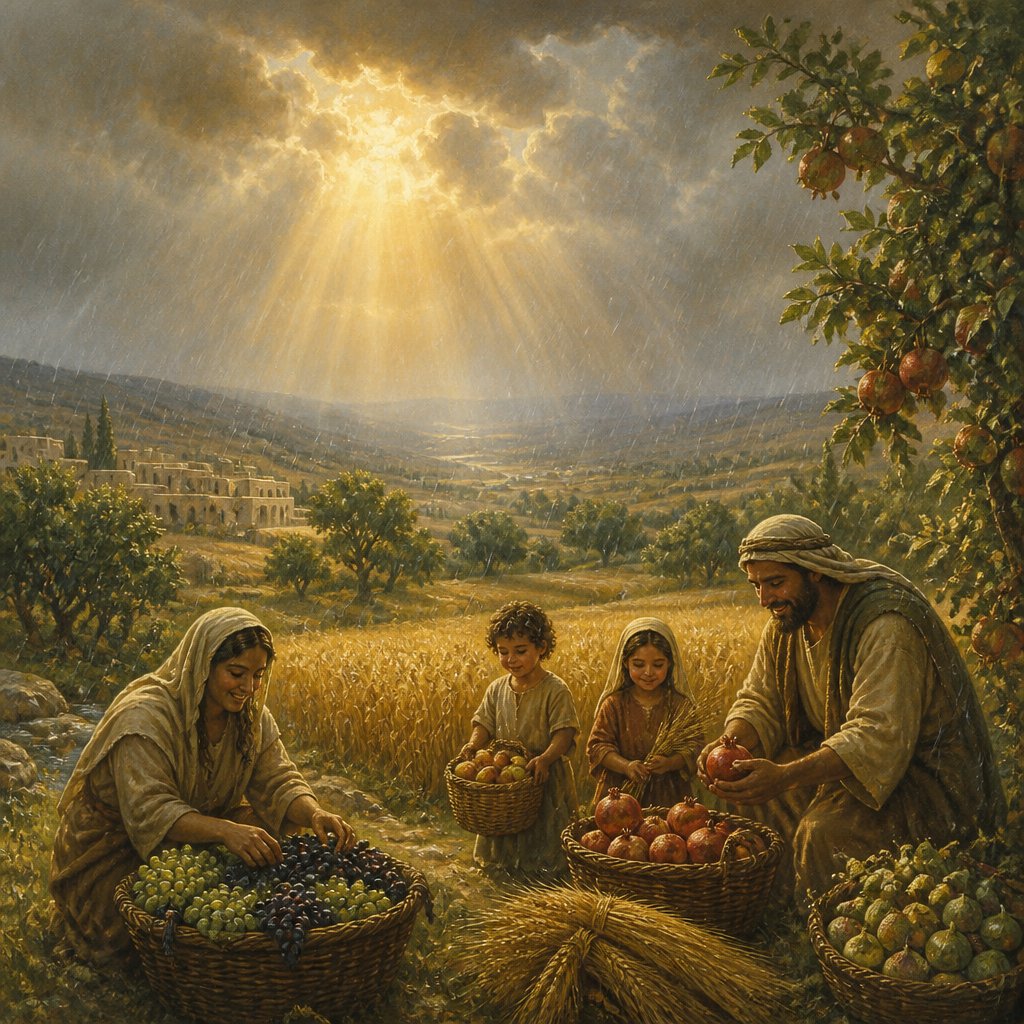
"Nevertheless he left not himself without witness, in that he did good, and gave us rain from heaven, and fruitful seasons, filling our hearts with food and gladness."
Acts 14:17 is part of the narrative of the missionary journeys of Paul and Barnabas. In this verse, Paul and Barnabas are addressing a crowd in Lystra, proclaiming the good news of the gospel. The verse speaks to the universal witness of God's goodness and provision to all people, regardless of their knowledge or acceptance of the gospel message.
The verse begins with the word "Nevertheless," which indicates a contrast to the previous verse where Paul and Barnabas are cautioning the people about turning from vain things to the living God. Despite the ignorance of the people, they are being told that God has not left himself without a witness. This demonstrates God's continuous presence and involvement in the lives of all people, providing for their needs and demonstrating his goodness.
The phrase "he did good" refers to God's benevolence and kindness towards humanity. God's goodness is showcased through various acts of provision and care for his creation, even amidst the brokenness and sinfulness of the world. The verse specifically mentions "rain from heaven" and "fruitful seasons," which are essential for agricultural productivity and sustenance. Rain and fruitful seasons are essential for providing food and sustenance, and they are tangible reminders of God's faithful provision.
The imagery of rain and fruitful seasons also symbolizes God's faithfulness and reliability. Rain is often used symbolically in the Bible to represent God's blessing and favor. In Deuteronomy 11:14, rain is described as a demonstration of God's faithfulness to provide for his people. Similarly, fruitful seasons symbolize the abundance of God's blessings and the satisfaction of our earthly needs.
The verse goes on to describe how God's provision "fills our hearts with food and gladness." This highlights the intimate connection between God's provision and our well-being. The phrase "fills our hearts" emphasizes the depth of God's provision, which satisfies not only our physical needs but also brings joy and gladness to our inner being. This points to the holistic nature of God's care for humanity, addressing both our material and emotional needs.
The broader context of Acts 14:17 is the missionary outreach of Paul and Barnabas, who were spreading the message of the gospel in regions where the people were unfamiliar with Christianity. In this verse, Paul and Barnabas are using God's general revelation through the provision of rain and fruitful seasons as a starting point to communicate God's goodness and faithfulness. This approach allowed them to connect with the audience on a universal level, demonstrating God's care for all people, regardless of their familiarity with the Christian faith.
The themes of God's goodness, provision, and faithfulness are central to Acts 14:17. The verse serves as a reminder of God's continuous presence and care for all of humanity, regardless of their relationship with him. It also emphasizes the universal witness of God's goodness through the natural world, providing a starting point for sharing the gospel message with those who may not have heard it before.
In conclusion, Acts 14:17 embodies the universal witness of God's goodness and provision, serving as a foundational truth for both believers and non-believers. It underscores God's faithfulness in sustaining and blessing his creation, and it invites us to recognize and give thanks for his ongoing care in our lives. This verse encourages us to trust in God's provision and goodness, knowing that he never leaves himself without a witness.
Have questions about Acts 14:17?
Dive deeper into this scripture with Bible Chat — an AI-powered tool for exploring God's Word through conversation. Ask questions, get context, and grow in your understanding of the Bible.
Get Our Apps


Acts 14:17 Artwork

Acts 14:17

Acts 14:17 - "Nevertheless he left not himself without witness, in that he did good, and gave us rain from heaven, and fruitful seasons, filling our hearts with food and gladness."
"Nevertheless he left not himself without witness, in that he did good, and gave us rain from heaven, and fruitful seasons, filling our hearts with food and gladness." - Acts 14:17

Depict the events of Acts 19:14-17

Acts 17:14 - "And then immediately the brethren sent away Paul to go as it were to the sea: but Silas and Timotheus abode there still."
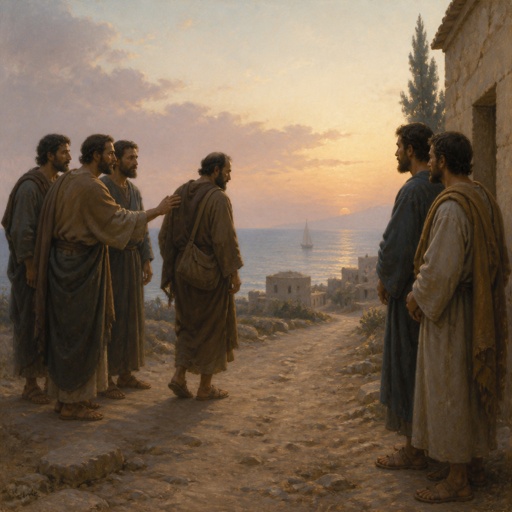
"And then immediately the brethren sent away Paul to go as it were to the sea: but Silas and Timotheus abode there still." - Acts 17:14

Acts 2:17

Acts 2:17

Acts 2:17

Acts 16:17

Acts 17:15

Acts 17:27

Acts 17:17 - "Therefore disputed he in the synagogue with the Jews, and with the devout persons, and in the market daily with them that met with him."

Acts 14:7 - "And there they preached the gospel."

Acts 17:33 - "So Paul departed from among them."

Acts 14:28 - "And there they abode long time with the disciples."

Acts 8:17 - "Then laid they their hands on them, and they received the Holy Ghost."

Acts 14:14 - "Which when the apostles, Barnabas and Paul, heard of, they rent their clothes, and ran in among the people, crying out,"

Acts 17:8 - "And they troubled the people and the rulers of the city, when they heard these things."

Acts 1:17 - "For he was numbered with us, and had obtained part of this ministry."

create an image to show Acts 2:17

Acts 20:17 - "¶ And from Miletus he sent to Ephesus, and called the elders of the church."

"And there they preached the gospel." - Acts 14:7

Revelation 17:14

Revelation 17:14

Revelation 17:14

Genesis 17-14

Revelation 17:14

Revelation 17:14

Acts 17:9 - "And when they had taken security of Jason, and of the other, they let them go."