What does Acts 13:50 mean?
"But the Jews stirred up the devout and honourable women, and the chief men of the city, and raised persecution against Paul and Barnabas, and expelled them out of their coasts." - Acts 13:50
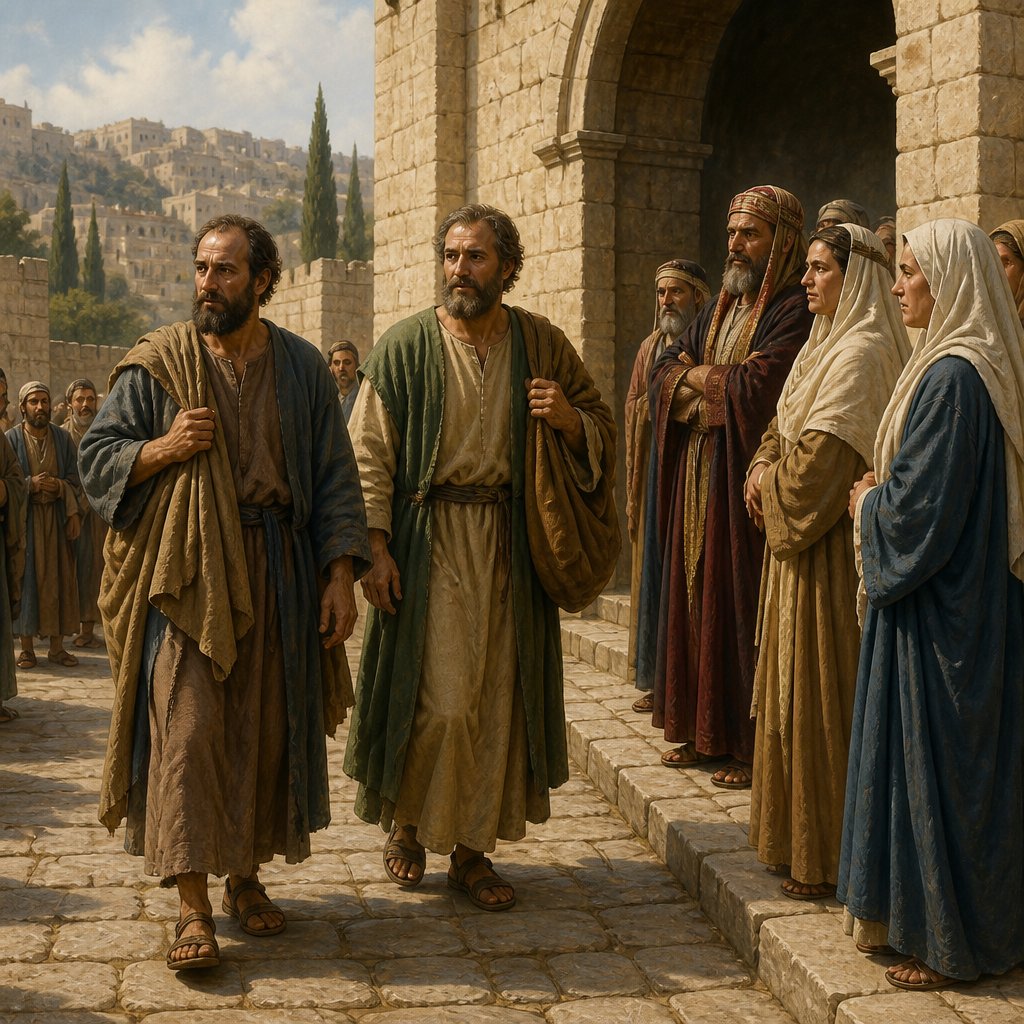
The Bible verse Acts 13:50 from the King James Version (KJV) reads: "But the Jews stirred up the devout and honourable women, and the chief men of the city, and raised persecution against Paul and Barnabas, and expelled them out of their coasts."
This verse is part of the narrative in the book of Acts, which is a historical account of the early Christian church and the spread of the gospel. In this particular passage, the focus is on the missionary journey of Paul and Barnabas, who were preaching the gospel in the city of Antioch. The city was home to a large Jewish population, and the Jews who rejected the message of Jesus as the Messiah were stirred up against the apostles.
One of the key themes in this verse is the opposition faced by the early Christians as they sought to spread the message of the gospel. Throughout the book of Acts, we see repeated instances of persecution and opposition from various groups, including the Jewish religious leaders and non-believers. This theme of persecution speaks to the challenges and hardships that believers often face when sharing their faith, and serves as a reminder of the cost of discipleship.
The verse also highlights the tactics used by those who opposed the apostles. The Jews in Antioch targeted "the devout and honourable women, and the chief men of the city" in order to stir up opposition against Paul and Barnabas. This indicates that the opposition was not merely a spontaneous reaction, but a concerted effort to turn influential individuals against the message of the gospel. This speaks to the power dynamics at play in the early Christian movement and serves as a cautionary reminder of the potential for manipulation and resistance to the truth.
Furthermore, the verse underscores the reality of being expelled and rejected from certain communities for the sake of the gospel. Paul and Barnabas were driven out of the city by the persecution they faced, demonstrating the high cost of their commitment to spreading the good news of Jesus Christ. This serves as a sobering reminder of the sacrifice and suffering that may be required in the pursuit of God's mission, and the steadfast trust needed to persevere in the face of adversity.
Symbolically, the expulsion of Paul and Barnabas from Antioch can be seen as a reflection of the broader theme of rejection and persecution that Jesus himself experienced, as well as the suffering endured by the early Christian martyrs. It also serves as a reminder of the transient nature of worldly acceptance and the ultimate citizenship of believers in the kingdom of God.
In conclusion, Acts 13:50 from the King James Version offers a compelling portrayal of the challenges and opposition faced by the early Christian missionaries as they sought to proclaim the gospel. It sheds light on the themes of persecution, manipulation, and expulsion, and serves as a reminder of the sacrifices and steadfastness required in the pursuit of God's mission. It also carries symbolic weight as a reflection of the rejection and suffering experienced by Jesus and the broader Christian community. Ultimately, this verse challenges believers to consider the cost of discipleship and to remain steadfast in their commitment to the truth of the gospel.
Have questions about Acts 13:50?
Dive deeper into this scripture with Bible Chat — an AI-powered tool for exploring God's Word through conversation. Ask questions, get context, and grow in your understanding of the Bible.
Get Our Apps


Acts 13:50 Artwork
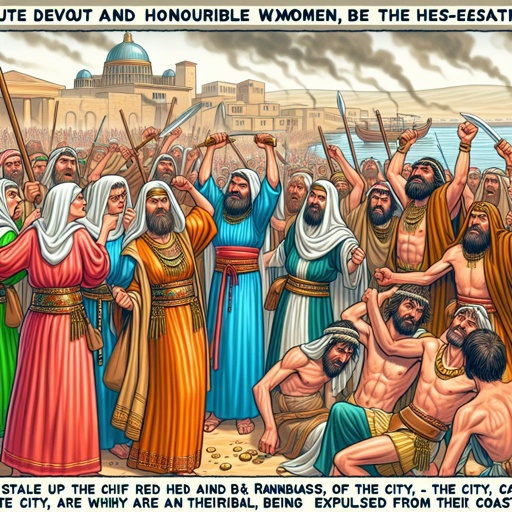
Acts 13:50 - "But the Jews stirred up the devout and honourable women, and the chief men of the city, and raised persecution against Paul and Barnabas, and expelled them out of their coasts."
"But the Jews stirred up the devout and honourable women, and the chief men of the city, and raised persecution against Paul and Barnabas, and expelled them out of their coasts." - Acts 13:50

Acts 7:50 - "Hath not my hand made all these things?"

Psalms 50:13 - "Will I eat the flesh of bulls, or drink the blood of goats?"

"Hath not my hand made all these things?" - Acts 7:50

Matthew 13:50 - "And shall cast them into the furnace of fire: there shall be wailing and gnashing of teeth."

Leviticus 13:50 - "And the priest shall look upon the plague, and shut up it that hath the plague seven days:"
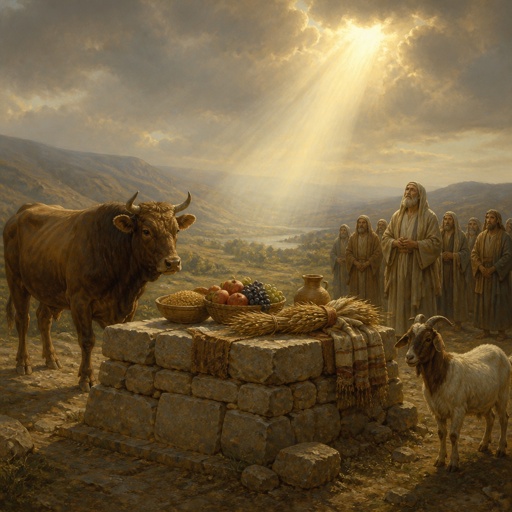
"Will I eat the flesh of bulls, or drink the blood of goats?" - Psalms 50:13

Jeremiah 50:13 - "Because of the wrath of the LORD it shall not be inhabited, but it shall be wholly desolate: every one that goeth by Babylon shall be astonished, and hiss at all her plagues."
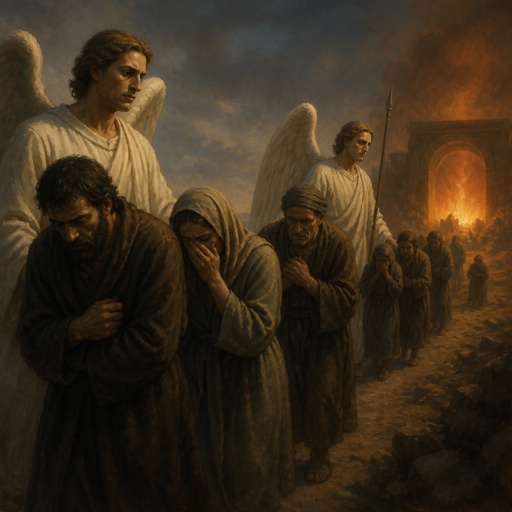
"And shall cast them into the furnace of fire: there shall be wailing and gnashing of teeth." - Matthew 13:50

Genesis 50:13 - "For his sons carried him into the land of Canaan, and buried him in the cave of the field of Machpelah, which Abraham bought with the field for a possession of a buryingplace of Ephron the Hittite, before Mamre."

Acts 13:43

Acts 13:30 - "But God raised him from the dead:"

"And the priest shall look upon the plague, and shut up it that hath the plague seven days:" - Leviticus 13:50

Acts 13:49 - "And the word of the Lord was published throughout all the region."

Acts 13:52 - "And the disciples were filled with joy, and with the Holy Ghost."

Acts 13:37 - "But he, whom God raised again, saw no corruption."

Acts 2:13 - "Others mocking said, These men are full of new wine."

Acts 13:13 - "Now when Paul and his company loosed from Paphos, they came to Perga in Pamphylia: and John departing from them returned to Jerusalem."

Acts 18:13 - "Saying, This fellow persuadeth men to worship God contrary to the law."

Acts 23:13 - "And they were more than forty which had made this conspiracy."

Acts 24:13 - "Neither can they prove the things whereof they now accuse me."

Acts 13:18 - "And about the time of forty years suffered he their manners in the wilderness."

Acts 13:40 - "Beware therefore, lest that come upon you, which is spoken of in the prophets;"

Acts 5:13 - "And of the rest durst no man join himself to them: but the people magnified them."

Acts 13:51 - "But they shook off the dust of their feet against them, and came unto Iconium."

Acts 12:13 - "And as Peter knocked at the door of the gate, a damsel came to hearken, named Rhoda."

Acts 13:3 - "And when they had fasted and prayed, and laid their hands on them, they sent them away."

Acts 13:44 - "¶ And the next sabbath day came almost the whole city together to hear the word of God."

Acts 13:28 - "And though they found no cause of death in him, yet desired they Pilate that he should be slain."