What does Acts 12:21 mean?
"And upon a set day Herod, arrayed in royal apparel, sat upon his throne, and made an oration unto them." - Acts 12:21
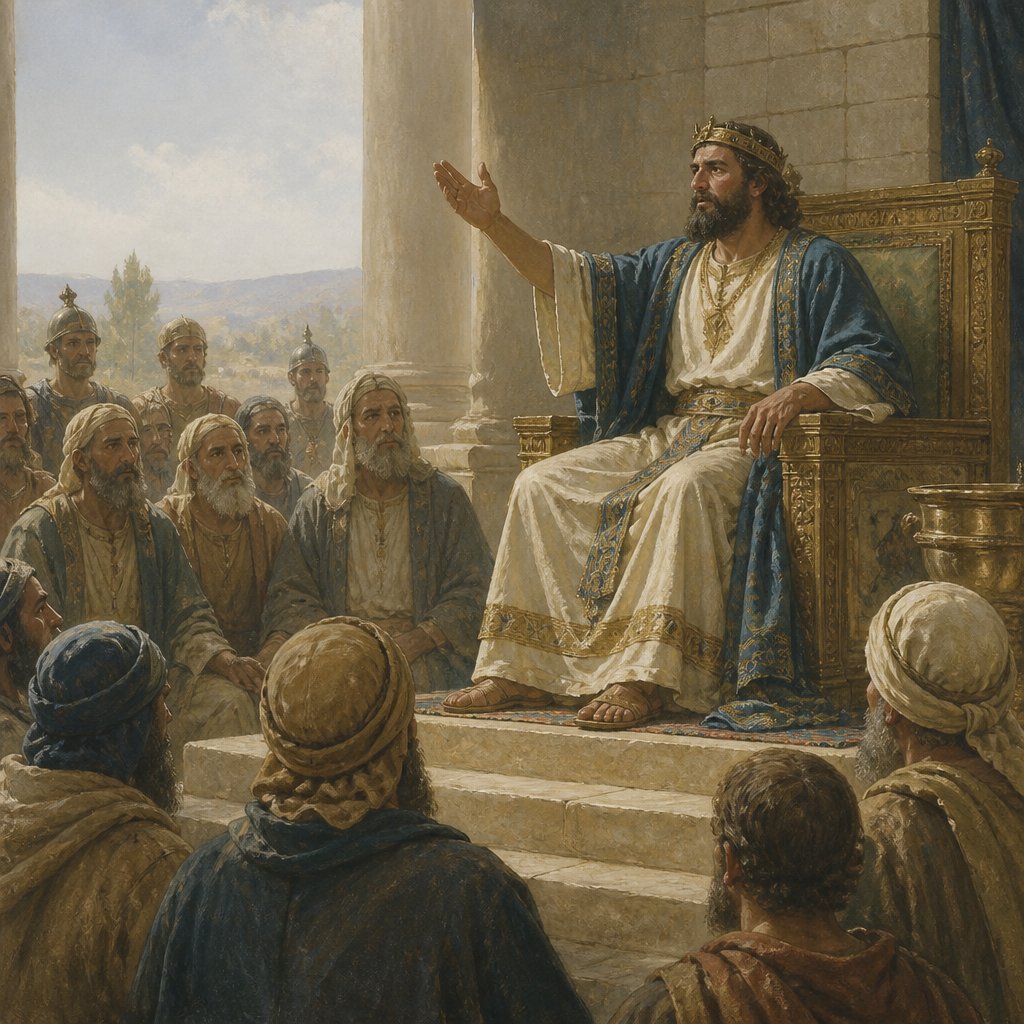
The Bible verse Acts 12:21 from the King James Version (KJV) states, "And upon a set day Herod, arrayed in royal apparel, sat upon his throne, and made an oration unto them."
This verse is part of a larger passage that describes the death of Herod Agrippa I, the king of Judea. In this particular verse, the scene is set for the events that will unfold, as Herod addresses a crowd while adorned in royal attire.
Contextually, this passage takes place in the first century AD, shortly after the death and resurrection of Jesus Christ. The early Christian church was beginning to spread throughout the Roman Empire, and these events occurred in the city of Caesarea.
Herod Agrippa I was a ruler known for his increasingly tyrannical and oppressive behavior towards the early Christians. He sought to please the Jewish religious leaders by persecuting and imprisoning believers, as seen in the preceding verses of Acts 12. This verse serves as a prelude to the dramatic and divine judgment that will befall Herod.
The themes and symbolism within this verse are rich and offer profound insights into the nature of earthly power and divine sovereignty. Herod's outward display of royal authority and pride is contrasted with the ultimate authority and power of God. It serves as a cautionary tale about the dangers of human arrogance and the fate that awaits those who oppose God's will.
The royal apparel worn by Herod symbolizes his worldly power and status. As a ruler, he was accustomed to being adorned in opulent robes and jewels, elevating himself above his subjects. However, this verse also foreshadows the fleeting nature of earthly pomp and circumstance. Despite his regal appearance and imposing throne, Herod's destiny is ultimately determined by forces beyond his control.
The act of making an oration signifies Herod's desire to control and sway the crowd with his persuasive speech. It reflects his attempts to bolster his own ego and maintain his grip on power. However, this very act also underscores the contrast between human rhetoric and the enduring truth of God's word.
In the broader context of the Book of Acts, this verse also sheds light on the ongoing spiritual battle between the forces of darkness and the light of the Gospel. Herod's persecution of the early Christians represents the spiritual opposition faced by believers as they seek to spread the message of salvation. The power struggle between Herod and the Christians reflects the broader conflict between the kingdom of God and the rulers of this world.
Ultimately, this verse serves as a reminder of the transitory nature of human authority and the ultimate sovereignty of God. Herod's downfall, which will be detailed in the subsequent verses, serves as a powerful testament to the consequences of pride and opposition to the divine will.
In conclusion, Acts 12:21 from the King James Version encapsulates the themes of power, pride, and divine judgment. It offers a striking portrayal of the collision between earthly rulers and the unstoppable force of God's providence. This verse serves as a sobering reminder of the inevitable fate that awaits those who exalt themselves above God, and the enduring truth that divine authority reigns supreme over all earthly powers.
Have questions about Acts 12:21?
Dive deeper into this scripture with Bible Chat — an AI-powered tool for exploring God's Word through conversation. Ask questions, get context, and grow in your understanding of the Bible.
Get Our Apps


Acts 12:21 Artwork
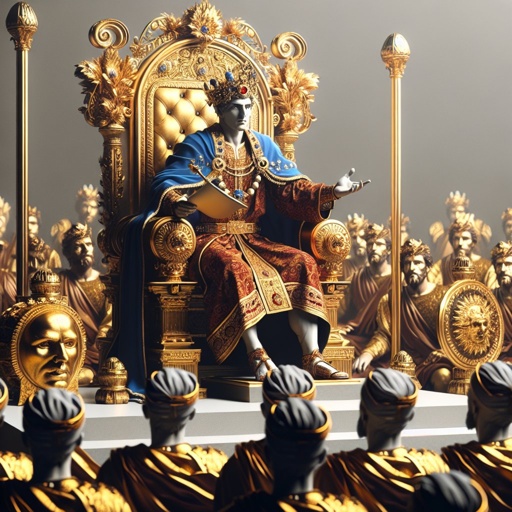
Acts 12:21 - "And upon a set day Herod, arrayed in royal apparel, sat upon his throne, and made an oration unto them."
"And upon a set day Herod, arrayed in royal apparel, sat upon his throne, and made an oration unto them." - Acts 12:21

Acts 21:12 - "And when we heard these things, both we, and they of that place, besought him not to go up to Jerusalem."

Matthew 2:1-2

Genesis 2:1-2

Genesis 2:1-2
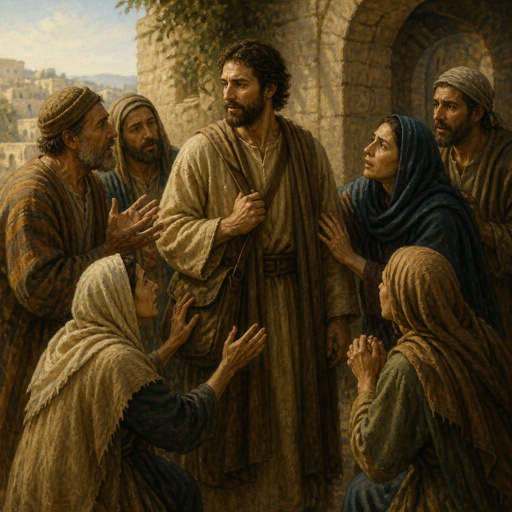
"And when we heard these things, both we, and they of that place, besought him not to go up to Jerusalem." - Acts 21:12

Acts 1:21-23

Acts 1:21-22

Acts 21:5-6

Acts 1:21-22

Acts 28:12

Acts 18:12

Acts 18:12

Acts 21:36 - "For the multitude of the people followed after, crying, Away with him."

Acts 4:8-12

acts 20:7-12

Acts 12:24 - "¶ But the word of God grew and multiplied."

Acts 21:21 - "And they are informed of thee, that thou teachest all the Jews which are among the Gentiles to forsake Moses, saying that they ought not to circumcise their children, neither to walk after the customs."
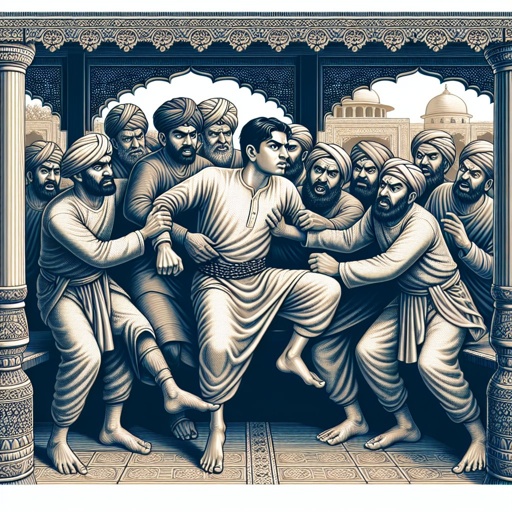
Acts 26:21 - "For these causes the Jews caught me in the temple, and went about to kill me."

Acts 21:17 - "And when we were come to Jerusalem, the brethren received us gladly."

Acts 11:21 - "And the hand of the Lord was with them: and a great number believed, and turned unto the Lord."

Acts 21:14 - "And when he would not be persuaded, we ceased, saying, The will of the Lord be done."

Proverbs 2:1-2 - "My son, if you accept my words and store up my commands within you, turning your ear to wisdom and applying your heart to understanding."

Acts 21:9 - "And the same man had four daughters, virgins, which did prophesy."

Revelation 21:12

Genesis 21-12

Acts 16:21 - "And teach customs, which are not lawful for us to receive, neither to observe, being Romans."

Acts 2:21 - "And it shall come to pass, that whosoever shall call on the name of the Lord shall be saved."

Acts 12:2 - "And he killed James the brother of John with the sword."