What does Acts 11:9 mean?
"But the voice answered me again from heaven, What God hath cleansed, that call not thou common." - Acts 11:9
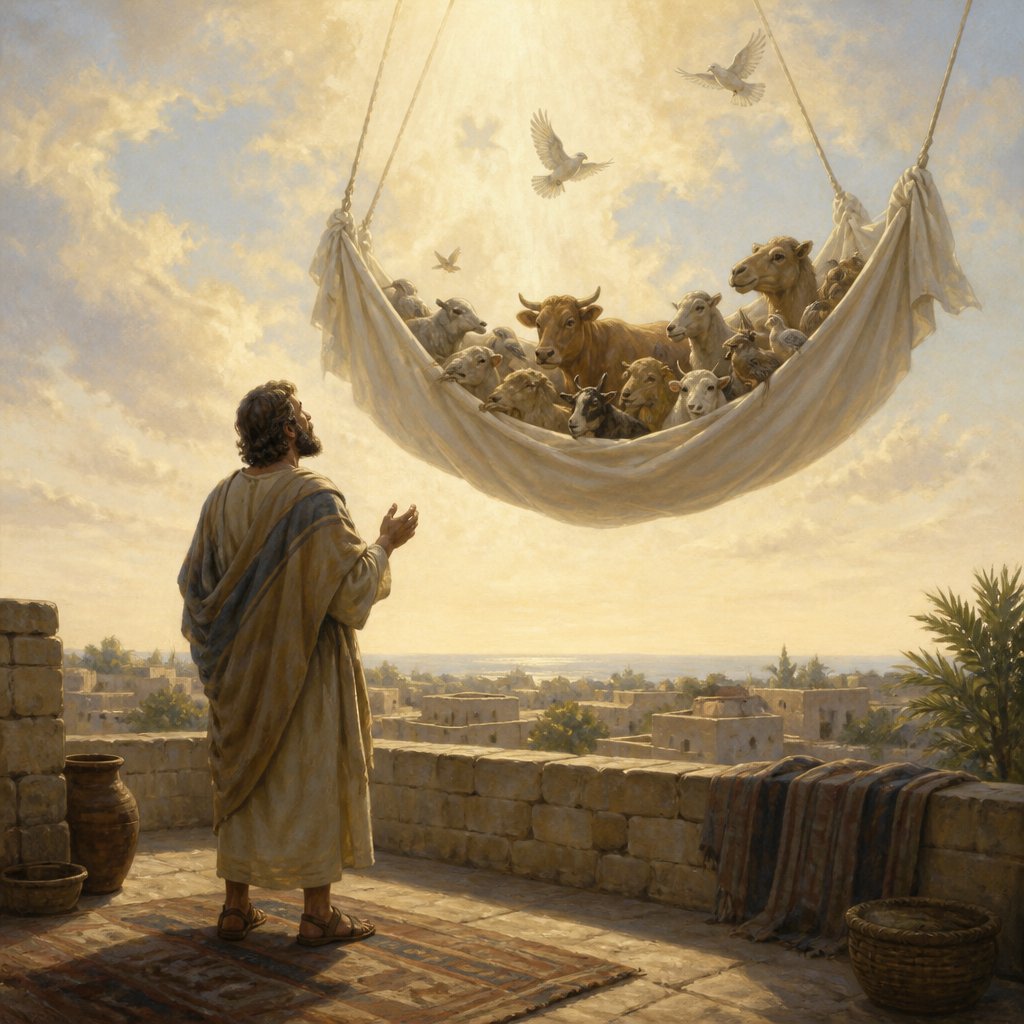
The Bible verse Acts 11:9 from the King James Version (KJV) states, "But the voice answered me again from heaven, What God hath cleansed, that call not thou common." This verse is part of a larger passage in the book of Acts, in which the apostle Peter receives a vision from God that challenges his deeply ingrained beliefs and leads to a significant shift in the early Christian church's understanding of who is included in God's kingdom.
In context, this verse is a pivotal moment in the book of Acts, as it marks the beginning of the Gentile mission. Up until this point, the early church was primarily made up of Jewish followers of Jesus, and there was a strong belief among many of them that only Jews could be part of God's chosen people. However, in this vision, God reveals to Peter that the traditional boundaries of clean and unclean, Jew and Gentile, are no longer applicable in the new covenant established by Jesus' death and resurrection. This message is reinforced in Acts 10:34-35, where Peter declares, "Of a truth I perceive that God is no respecter of persons: But in every nation he that feareth him, and worketh righteousness, is accepted with him."
The verse acts-11:9 is significant because it challenges the religious and cultural norms of the time, as well as the prejudices and assumptions of the Jewish Christians. It emphasizes the inclusive nature of God's salvation and the universality of the gospel. It also marks a shift in the mission of the early church, as they begin to actively reach out to the Gentiles and spread the message of Jesus beyond the confines of Judaism.
The themes in this verse include the universality of God's love and salvation, the breaking down of religious and cultural barriers, and the transformative power of God's revelation. It also speaks to the importance of obedience and openness to divine guidance, even when it challenges deeply held beliefs.
Symbolically, the vision given to Peter in Acts 11:9 represents the opening of the gates of salvation to all people, regardless of their background or heritage. The act of God cleansing what was previously considered unclean serves as a metaphor for the new covenant in Jesus Christ, in which all are invited to partake in the grace and forgiveness offered by God. This symbolizes the radical inclusivity of the gospel and the dismantling of the barriers that separate people from one another.
In essence, Acts 11:9 is a powerful reminder of the transformative and inclusive nature of God's love and grace. It challenges us to examine our own prejudices and preconceived notions, and to embrace the reality that God's salvation is available to all who are willing to accept it. It also calls us to actively reach out to those who may be different from us, and to share the message of God's love with all people, without distinction. Ultimately, this verse is a call to embrace the diversity of God's creation and to recognize the inherent worth and dignity of all people in the eyes of God.
Have questions about Acts 11:9?
Dive deeper into this scripture with Bible Chat — an AI-powered tool for exploring God's Word through conversation. Ask questions, get context, and grow in your understanding of the Bible.
Get Our Apps


Acts 11:9 Artwork

Acts 11:9 - "But the voice answered me again from heaven, What God hath cleansed, that call not thou common."
"But the voice answered me again from heaven, What God hath cleansed, that call not thou common." - Acts 11:9
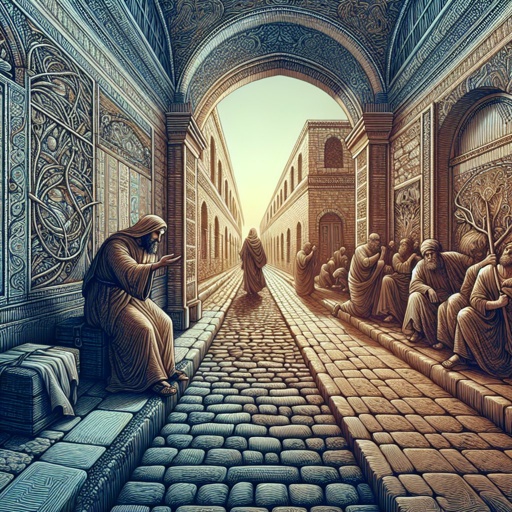
Acts 9:11 - "And the Lord said unto him, Arise, and go into the street which is called Straight, and enquire in the house of Judas for one called Saul, of Tarsus: for, behold, he prayeth,"

Joshua 11:9 - "And Joshua did unto them as the LORD bade him: he houghed their horses, and burnt their chariots with fire."

acts 3 11

Acts 11:2

Acts 20:11

Acts 11:2

Acts 11:2

Acts 19: 11

Acts 19:11

1 Kings 11:41 - "¶ And the rest of the acts of Solomon, and all that he did, and his wisdom, are they not written in the book of the acts of Solomon?"

Acts 9:9 - "And he was three days without sight, and neither did eat nor drink."

Acts 1:1-11

Acts 1:1-11

Acts 9:1-20

Acts 9:1-20

Acts 11:25 - "Then departed Barnabas to Tarsus, for to seek Saul:"

Acts 19:11 - "And God wrought special miracles by the hands of Paul:"

Acts 9:28 - "And he was with them coming in and going out at Jerusalem."

Acts 11:11 - "And, behold, immediately there were three men already come unto the house where I was, sent from Caesarea unto me."

Acts 11:27 - "¶ And in these days came prophets from Jerusalem unto Antioch."

Acts 3:9 - "And all the people saw him walking and praising God:"

Acts 24:9 - "And the Jews also assented, saying that these things were so."

Acts 9:42 - "And it was known throughout all Joppa; and many believed in the Lord."

Acts 11:30 - "Which also they did, and sent it to the elders by the hands of Barnabas and Saul."

Acts 11:3 - "Saying, Thou wentest in to men uncircumcised, and didst eat with them."

Acts 9:35 - "And all that dwelt at Lydda and Saron saw him, and turned to the Lord."

Acts 15:9 - "And put no difference between us and them, purifying their hearts by faith."

Acts 9:20 - "And straightway he preached Christ in the synagogues, that he is the Son of God."