What does Acts 10:40-41 mean?
"40 Him God raised up the third day, and shewed him openly; 41 Not to all the people, but unto witnesses chosen before of God, even to us, who did eat and drink with him after he rose from the dead." - Acts 10:40-41
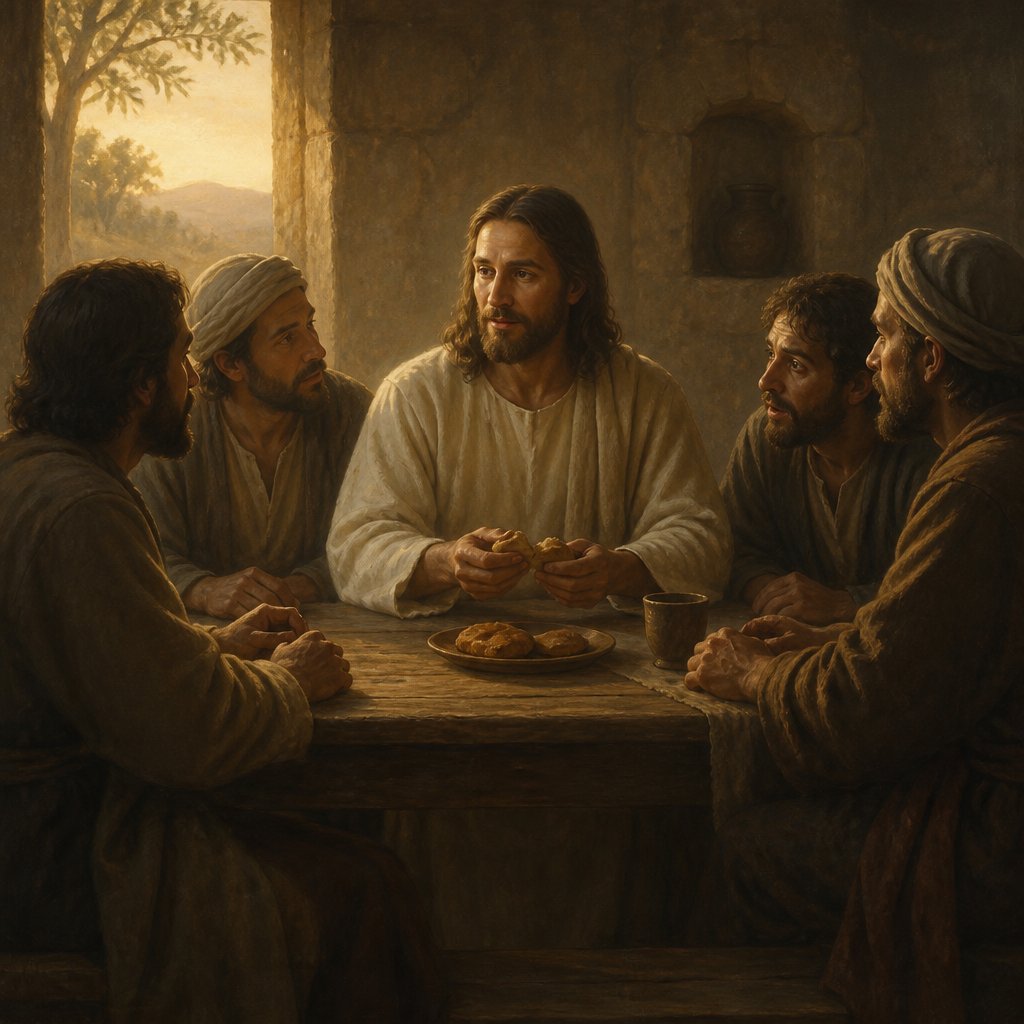
The verse Acts 10:40-41 from the King James Version (KJV) of the Bible is part of a larger passage that recounts Peter's sermon to the household of Cornelius, a Roman centurion, and his vision from God. In these particular verses, Peter is testifying to the resurrection of Jesus Christ and the commissioning of the apostles to preach and bear witness to this event.
To fully understand the significance of Acts 10:40-41, it is important to consider the context in which it is placed. The book of Acts, attributed to the authorship of Luke, is a continuation of the Gospel of Luke and provides a historical account of the early Christian church. The passage at hand marks a pivotal point in the expansion of the gospel message beyond the Jewish community to the Gentiles, as exemplified by Cornelius and his household.
Acts 10:40-41 reads: "Him God raised up the third day, and shewed him openly; Not to all the people, but unto witnesses chosen before God, even to us, who did eat and drink with him after he rose from the dead." These verses contain a central tenet of the Christian faith: the resurrection of Jesus Christ. The use of the term "Him" refers to Jesus, and it emphasizes the agency of God in raising Jesus from the dead. The phrase "the third day" is significant as it fulfills the prophecy of Jesus himself, who foretold his resurrection on the third day after his crucifixion.
The verse also underscores the fact that Jesus appeared "openly" (or publicly) after his resurrection, validating the reality of his triumph over death and the fulfillment of the scriptures. Moreover, the phrase "Not to all the people, but unto witnesses chosen before God" highlights the selectivity in the revelation of Jesus' post-resurrection appearances. This was not meant to be a spectacle for the masses, but rather a personal and profound encounter with those chosen by God to testify to this miraculous event.
The reference to "us, who did eat and drink with him after he rose from the dead" serves as a powerful affirmation of the physicality of Jesus' resurrection. The disciples and witnesses were not merely experiencing spiritual visions or apparitions, but rather engaging in tangible, corporeal interactions with the risen Christ. This serves to validate the bodily resurrection of Jesus and refute any claims of a purely spiritual or metaphorical resurrection.
In a broader sense, Acts 10:40-41 underscores the foundational role of eyewitness testimony in the proclamation of the gospel. The apostles, as the chosen witnesses, were entrusted with the task of bearing witness to the resurrection of Jesus Christ and spreading the message of salvation to all nations. This theme of testimony and witness is central to the book of Acts as a whole, as it outlines the spread of Christianity through the impassioned preaching and testimony of the disciples.
Furthermore, the verses also carry a message of inclusion and universality. The revelation of Jesus' resurrection is not confined to a particular group or ethnicity, but is meant to be proclaimed to all people. This is exemplified in the conversion of Cornelius, a Gentile, and his household, which symbolizes the breaking down of barriers between Jews and Gentiles in the early Christian community.
Symbolically, Acts 10:40-41 represents the promise of new life and hope through the resurrection of Jesus Christ. The imagery of eating and drinking with the risen Christ conveys a sense of communion and fellowship, signifying the intimate and transformative nature of the believers' relationship with their resurrected Lord. This serves as a powerful symbol of the Christian faith, which is rooted in the belief in the death and resurrection of Jesus Christ as the means of salvation.
In conclusion, Acts 10:40-41 contains a rich and multifaceted message that speaks to the foundational tenets of the Christian faith, the inclusivity of the gospel message, the role of testimony and witness, and the transformative power of the resurrection. It is a testament to the profound impact of Jesus' resurrection on the early Christian community and serves as a source of inspiration for believers throughout the ages.
Have questions about Acts 10:40-41?
Dive deeper into this scripture with Bible Chat — an AI-powered tool for exploring God's Word through conversation. Ask questions, get context, and grow in your understanding of the Bible.
Get Our Apps


Acts 10:40-41 Artwork
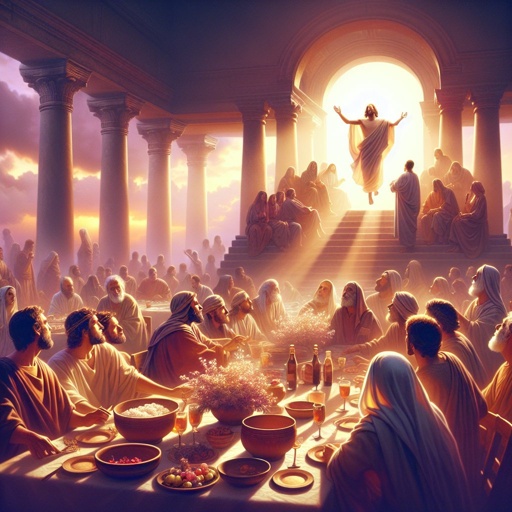
Acts 10:40-41 - "God raised him from the dead on the third day and caused him to be seen. He was not seen by all the people, but by witnesses whom God had already chosen—by us who ate and drank with him after he rose from the dead."
"God raised him from the dead on the third day and caused him to be seen. He was not seen by all the people, but by witnesses whom God had already chosen—by us who ate and drank with him after he rose from the dead." - Acts 10:40-41

Acts 10:40 - "Him God raised up the third day, and shewed him openly;"

Acts 5:40-41 the Sanhedrin ordered the disciples flogged. The picture should be after the flogging when Peter is leaving the Sanhedrin rejoicing because he is worthy of suffer for Jesus
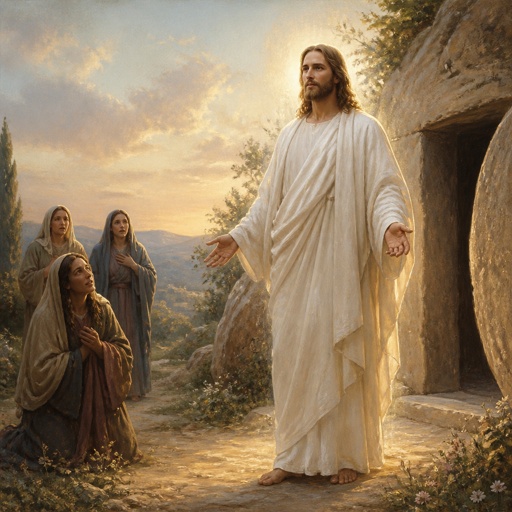
"Him God raised up the third day, and shewed him openly;" - Acts 10:40
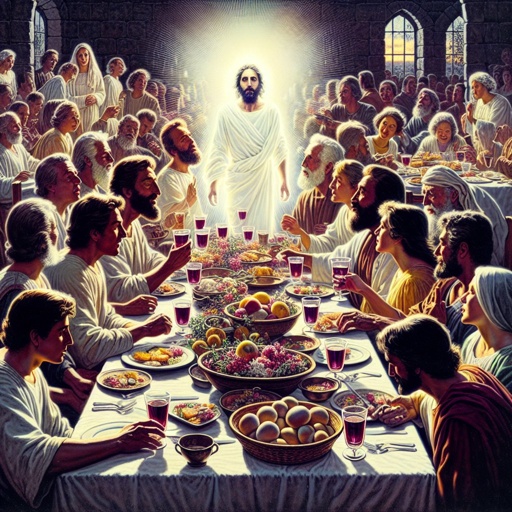
Acts 10:41 - "Not to all the people, but unto witnesses chosen before of God, even to us, who did eat and drink with him after he rose from the dead."

Acts 2:41

Acts 10:39-40 - "And we are witnesses of all things which he did both in the land of the Jews, and in Jerusalem; whom they slew and hanged on a tree: Him God raised up the third day, and shewed him openly."

Acts 2:41-42

Acts 2:41-42

Acts 2:41-42

Acts 2:41-42

Acts 2:41-42

Acts 2:41-42

Acts 2:41-42

Acts 2:41-42

Acts 2:41-42

Acts 2:41-42

Acts 2:41-42

Acts 2:41-42

Acts 2:41-42

Acts 2:41-42

Acts 2:41-42

Acts 2:41-42

Acts 2:41-42

Acts 2:41-42

Acts 2:41-42

Acts 2:41-42

Acts 2:41-42

Acts 2:38-41