What does Acts 10:40 mean?
"Him God raised up the third day, and shewed him openly;" - Acts 10:40
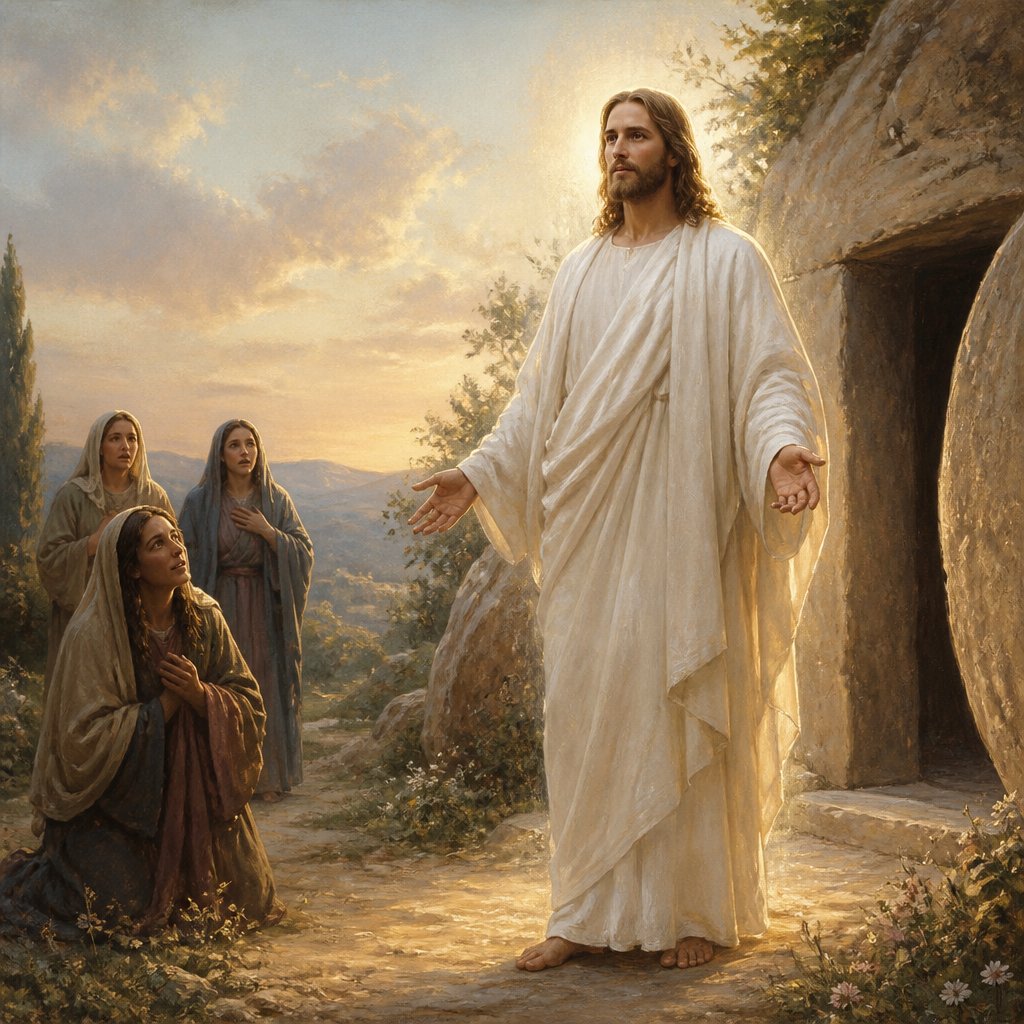
Acts 10:40 (KJV) reads, "Him God raised up the third day, and shewed him openly." This verse comes from the New Testament of the Bible and is part of a speech given by Peter, one of the twelve apostles of Jesus, to a group of people gathered at the house of Cornelius, a Roman centurion. In this verse, Peter is speaking about the resurrection of Jesus Christ, a central tenet of the Christian faith.
The context of Acts 10:40 is important for understanding its meaning. Prior to this verse, Peter recounts the life and ministry of Jesus, emphasizing his miracles, death, and resurrection. He explains that Jesus was crucified on a cross, but on the third day, God raised him up from the dead and showed him openly to his followers. This event is central to the Christian faith, as it signifies the victory of Jesus over death and sin and offers the hope of eternal life to all who believe in him.
One of the key themes of Acts 10:40 is the resurrection of Jesus Christ. The resurrection is a foundational belief in Christianity, as it demonstrates the power of God to overcome death and offers the promise of new life to all who believe. The fact that God raised Jesus up on the third day is a testament to his divine authority and purpose. In the Christian tradition, the resurrection is a symbol of hope and a source of strength for believers, reminding them that death is not the end but rather a passage to eternal life with God.
Another important theme in Acts 10:40 is the fulfillment of prophecy. Throughout the Old Testament, there are numerous prophecies that foretell the coming of the Messiah, his suffering, death, and resurrection. The resurrection of Jesus on the third day is seen as the fulfillment of these prophecies, confirming his identity as the long-awaited Savior and demonstrating the faithfulness of God to his promises. This theme serves to affirm the authority and reliability of the Scriptures and the continuity between the Old and New Testaments.
Symbolism also plays a role in Acts 10:40, particularly in the phrase "shewed him openly." The public display of Jesus after his resurrection serves as a symbol of the revelation of God's plan of salvation to all people. It signifies the universal nature of the gospel message, inviting people from every nation and background to come to faith in Jesus. This act of showing Jesus openly also highlights the authenticity and verifiability of the resurrection, as it was witnessed by many individuals who could testify to its reality.
In addition to these themes and symbolism, Acts 10:40 reflects the central message of the Christian faith, which is the death and resurrection of Jesus Christ for the forgiveness of sins. This verse emphasizes the crucial significance of the resurrection as the ultimate proof of Jesus' identity as the Son of God and the fulfillment of God's redemptive plan for humanity.
In conclusion, Acts 10:40 is a powerful and significant verse that encapsulates the core beliefs of the Christian faith. It highlights the resurrection of Jesus Christ as a central event in the history of salvation, affirming the fulfillment of prophecy, the universal appeal of the gospel, and the hope of eternal life for believers. This verse continues to inspire and encourage Christians to proclaim the message of the resurrection and to find strength and assurance in the victory of Jesus over death and sin.
Have questions about Acts 10:40?
Dive deeper into this scripture with Bible Chat — an AI-powered tool for exploring God's Word through conversation. Ask questions, get context, and grow in your understanding of the Bible.
Get Our Apps


Acts 10:40 Artwork

Acts 10:40 - "Him God raised up the third day, and shewed him openly;"
"Him God raised up the third day, and shewed him openly;" - Acts 10:40
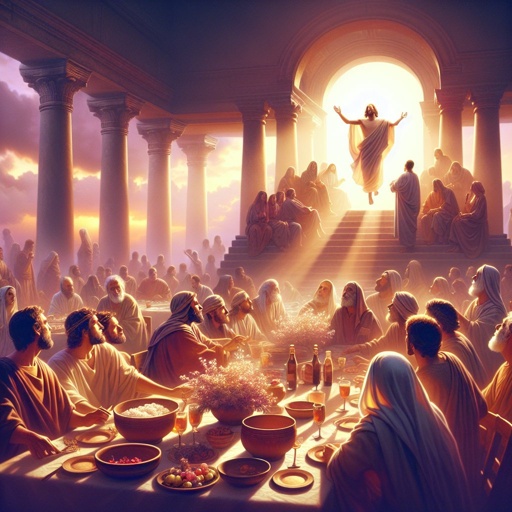
Acts 10:40-41 - "God raised him from the dead on the third day and caused him to be seen. He was not seen by all the people, but by witnesses whom God had already chosen—by us who ate and drank with him after he rose from the dead."
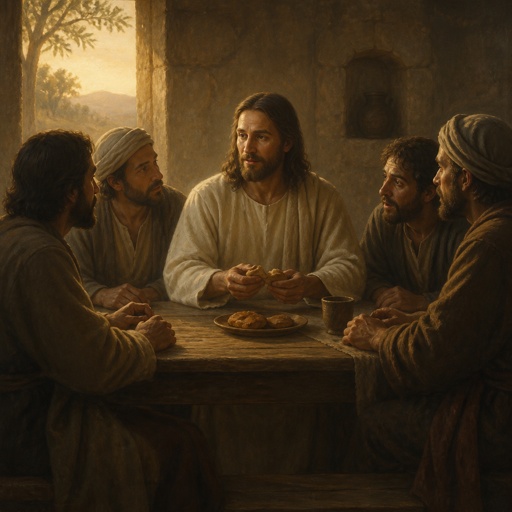
"God raised him from the dead on the third day and caused him to be seen. He was not seen by all the people, but by witnesses whom God had already chosen—by us who ate and drank with him after he rose from the dead." - Acts 10:40-41

Acts 10:39-40 - "And we are witnesses of all things which he did both in the land of the Jews, and in Jerusalem; whom they slew and hanged on a tree: Him God raised up the third day, and shewed him openly."

Isaiah 40:10

Isaiah 40:10

Isaiah 40:10

Acts 13:40 - "Beware therefore, lest that come upon you, which is spoken of in the prophets;"

Acts 15:40 - "And Paul chose Silas, and departed, being recommended by the brethren unto the grace of God."

Ezra 10:40 - "Machnadebai, Shashai, Sharai,"

Acts 16:40 - "And they went out of the prison, and entered into the house of Lydia: and when they had seen the brethren, they comforted them, and departed."

Acts 8:40 - "But Philip was found at Azotus: and passing through he preached in all the cities, till he came to Caesarea."

Acts 2:40 - "And with many other words did he testify and exhort, saying, Save yourselves from this untoward generation."

Acts 19:40 - "For we are in danger to be called in question for this day's uproar, there being no cause whereby we may give an account of this concourse."

"Machnadebai, Shashai, Sharai," - Ezra 10:40

Acts 5:40 - "And to him they agreed: and when they had called the apostles, and beaten them, they commanded that they should not speak in the name of Jesus, and let them go."

Job 40:10 - "Deck thyself now with majesty and excellency; and array thyself with glory and beauty."

Acts 27:40 - "And when they had taken up the anchors, they committed themselves unto the sea, and loosed the rudder bands, and hoised up the mainsail to the wind, and made toward shore."

Matthew 10:40 - "¶ He that receiveth you receiveth me, and he that receiveth me receiveth him that sent me."

John 10:40 - "And went away again beyond Jordan into the place where John at first baptized; and there he abode."
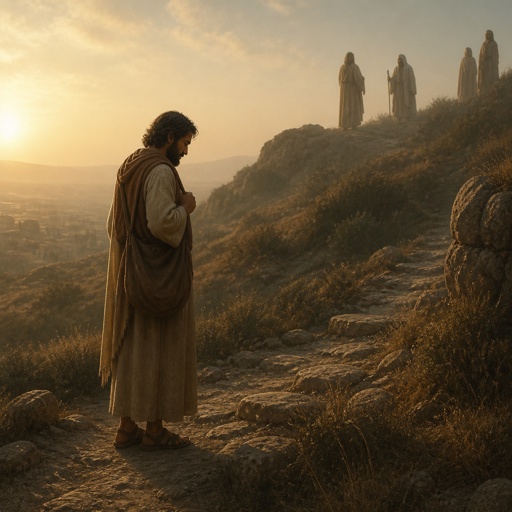
"Beware therefore, lest that come upon you, which is spoken of in the prophets;" - Acts 13:40
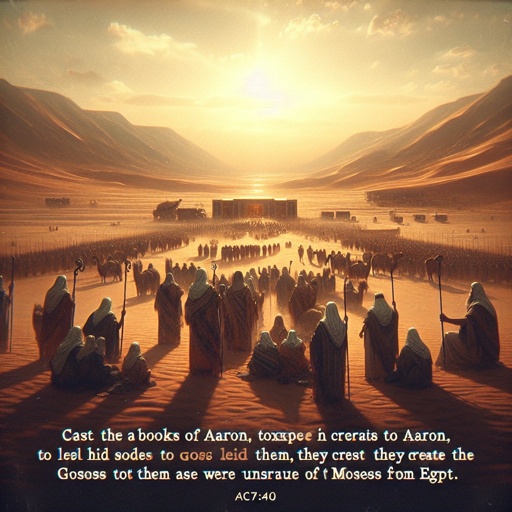
Acts 7:40 - "Saying unto Aaron, Make us gods to go before us: for as for this Moses, which brought us out of the land of Egypt, we wot not what is become of him."

Mark 10:40 - "But to sit on my right hand and on my left hand is not mine to give; but it shall be given to them for whom it is prepared."
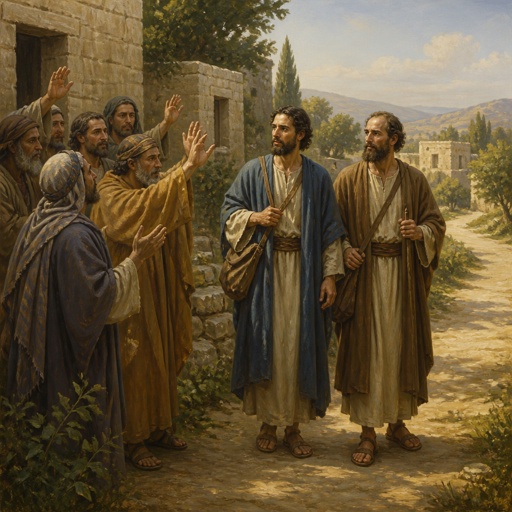
"And Paul chose Silas, and departed, being recommended by the brethren unto the grace of God." - Acts 15:40

acts 10:44-46
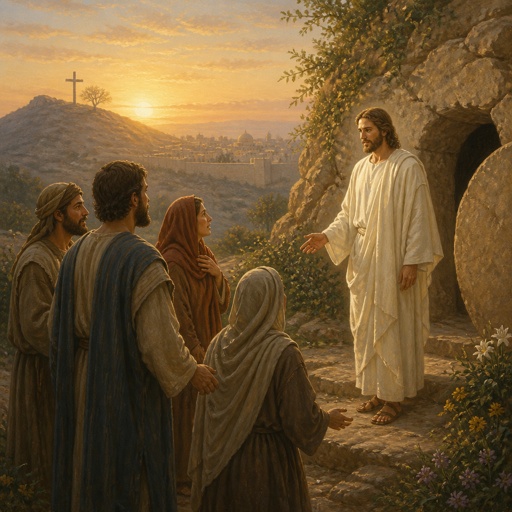
"And we are witnesses of all things which he did both in the land of the Jews, and in Jerusalem; whom they slew and hanged on a tree: Him God raised up the third day, and shewed him openly." - Acts 10:39-40
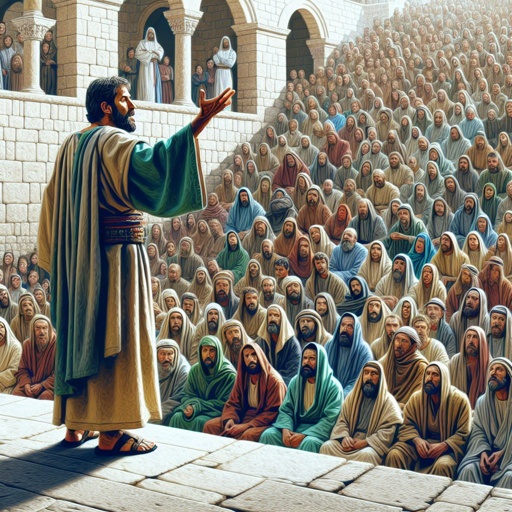
Acts 21:40 - "And when he had given him licence, Paul stood on the stairs, and beckoned with the hand unto the people. And when there was made a great silence, he spake unto them in the Hebrew tongue, saying,"

Exodus 40:10 - "And thou shalt anoint the altar of the burnt offering, and all his vessels, and sanctify the altar: and it shall be an altar most holy."

Genesis 40:10 - "And in the vine were three branches: and it was as though it budded, and her blossoms shot forth; and the clusters thereof brought forth ripe grapes:"