What does Acts 10:28 mean?
"And he said unto them, Ye know how that it is an unlawful thing for a man that is a Jew to keep company, or come unto one of another nation; but God hath shewed me that I should not call any man common or unclean." - Acts 10:28
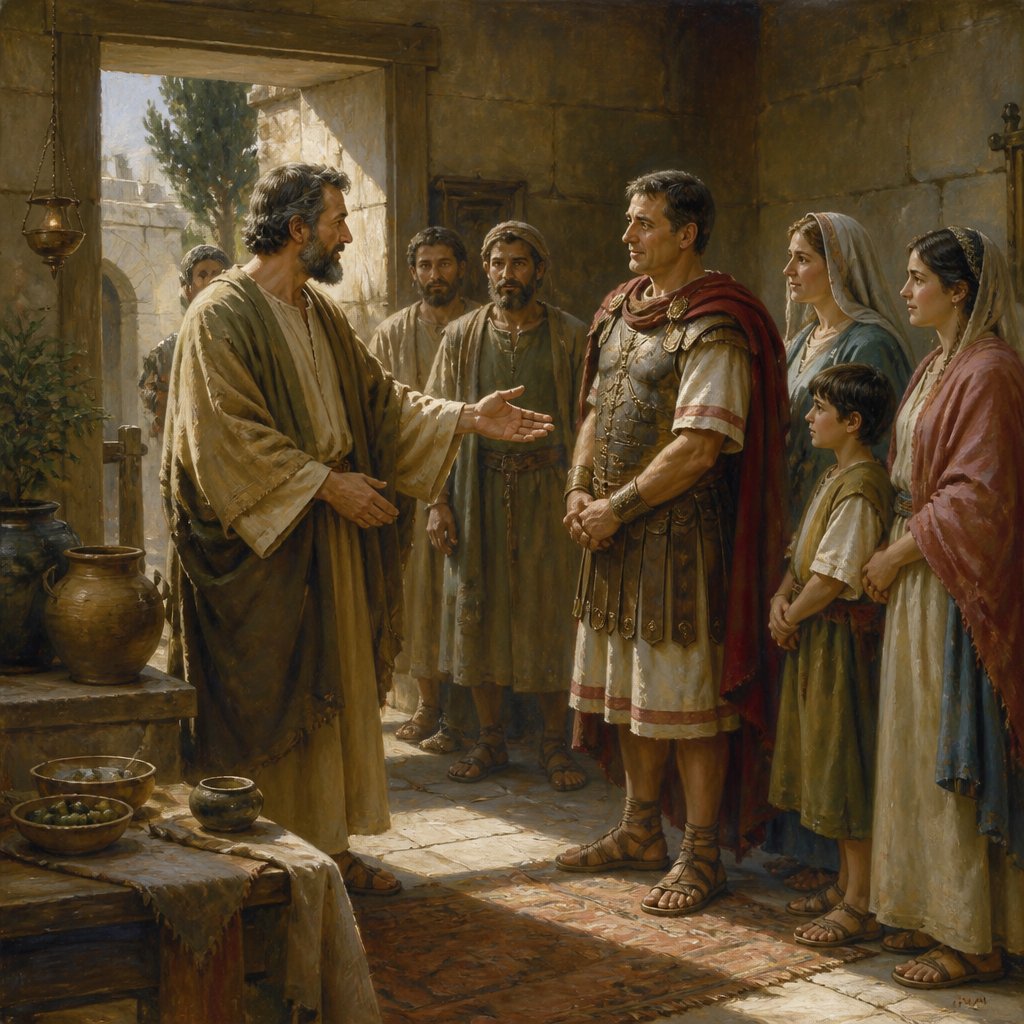
"Then he said unto them, Ye know how that it is an unlawful thing for a man that is a Jew to keep company, or come unto one of another nation; but God hath shewed me that I should not call any man common or unclean." - Acts 10:28 (KJV)
In Acts 10:28, Peter speaks these words to a group of people, immediately following his encounter with Cornelius, a Roman centurion. This verse marks a significant turning point in the book of Acts and in the spread of Christianity. It speaks to themes of inclusivity, rejection of prejudice, and the universality of God's love and salvation.
The historical and cultural context of this verse is crucial to understanding its significance. In Jewish tradition, there were strict laws and customs that prohibited interactions between Jews and Gentiles. A Jew was not supposed to keep company with or enter the home of a Gentile, as they were considered unclean and impure. This mindset was deeply ingrained in Jewish culture and was a barrier to the spread of Christianity to non-Jewish people.
When Peter says, "Ye know how that it is an unlawful thing for a man that is a Jew to keep company, or come unto one of another nation," he is acknowledging the deeply ingrained prejudices of his culture and upbringing. At this point in the story, Peter has not yet fully grasped the universal nature of the Gospel message and the inclusivity of God's love. However, this encounter with Cornelius and the vision he receives from God challenge his preconceived notions and expand his understanding of God's plan for all people.
The vision Peter receives from God is described earlier in Acts 10:9-16, where he sees a sheet descending from heaven with various kinds of animals, some of which were considered unclean according to Jewish dietary laws. In the vision, God commands Peter to "kill and eat," but he refuses, citing the unclean nature of the animals. God responds by saying, "What God hath cleansed, that call not thou common." In this vision, God is using the imagery of unclean animals to symbolize the previously held view of Gentiles as unclean and unworthy of the Gospel.
When Peter declares, "but God hath shewed me that I should not call any man common or unclean," he is making a profound statement about the universality of God's love and salvation. This moment marks a significant shift in Peter's understanding and paves the way for the inclusion of Gentiles in the early Christian community. It is a powerful declaration of the transformative power of God's revelation in challenging deeply entrenched prejudices.
This verse also speaks to the broader theme of the mission of the Church to reach all people with the message of salvation. The encounter with Cornelius leads to his conversion and the conversion of many others in his household. It is a clear demonstration that the Gospel is not limited to a particular group or ethnicity, but is meant for people of all nations and backgrounds.
The symbolism in this verse is rich and multifaceted. The vision of the sheet with unclean animals represents the traditional Jewish understanding of Gentiles as unclean and unworthy of salvation. It is a powerful image that challenges and confronts deeply held prejudices. Furthermore, the transformation of Peter's mindset symbolizes the transformative power of God's revelation in breaking down barriers and expanding the reach of the Gospel.
In conclusion, Acts 10:28 is a pivotal verse in the book of Acts that marks a watershed moment in the early Christian community. It speaks to themes of inclusivity, rejection of prejudice, and the universality of God's love and salvation. It challenges deeply ingrained cultural norms and expands the understanding of God's plan for all people. It is a powerful reminder of the transformative power of God's revelation in breaking down barriers and reaching all people with the message of salvation.
Have questions about Acts 10:28?
Dive deeper into this scripture with Bible Chat — an AI-powered tool for exploring God's Word through conversation. Ask questions, get context, and grow in your understanding of the Bible.
Get Our Apps


Acts 10:28 Artwork

Acts 10:28 - "And he said unto them, Ye know how that it is an unlawful thing for a man that is a Jew to keep company, or come unto one of another nation; but God hath shewed me that I should not call any man common or unclean."

In the context of acts 10:28, draw a picture of the Apostle Peter sitting across the table from Cornelius, a roman centurion. The setting is a home in first-century Caesarea, a seaside village. The table has a small scroll sitting on it. Looking past the table, there is a window that looks out toward the sea.

In the context of acts 10:28, draw a picture of the Apostle Peter sitting across the table from Cornelius, a roman centurion. The setting is a home in first-century Caesarea, a seaside village. The table has a small scroll sitting on it. Looking past the table, there is a window that looks out toward the sea.

In the context of acts 10:28, draw a picture of the Apostle Peter, a 35 year old Jewish man, sitting across the table from Cornelius, a roman centurion. The setting is a home in first-century Caesarea, a seaside village. The table has a small scroll sitting on it. Looking past the table, there is a window that looks out toward the sea.
"And he said unto them, Ye know how that it is an unlawful thing for a man that is a Jew to keep company, or come unto one of another nation; but God hath shewed me that I should not call any man common or unclean." - Acts 10:28

Acts 28:10 - "Who also honoured us with many honours; and when we departed, they laded us with such things as were necessary."

Acts 28:12

Acts 28:28 - "Be it known therefore unto you, that the salvation of God is sent unto the Gentiles, and that they will hear it."

"Who also honoured us with many honours; and when we departed, they laded us with such things as were necessary." - Acts 28:10

Acts 14:28 - "And there they abode long time with the disciples."

Acts 28:12 - "And landing at Syracuse, we tarried there three days."

Acts 9:28 - "And he was with them coming in and going out at Jerusalem."

Acts 28:1 - "And when they were escaped, then they knew that the island was called Melita."

Acts 28:5 - "And he shook off the beast into the fire, and felt no harm."

Acts 8:28 - "Was returning, and sitting in his chariot read Esaias the prophet."

Acts 28:24 - "And some believed the things which were spoken, and some believed not."

Acts 7:28 - "Wilt thou kill me, as thou diddest the Egyptian yesterday?"

Acts 18:28 - "For he mightily convinced the Jews, and that publickly, shewing by the scriptures that Jesus was Christ."

Acts 26:28 - "Then Agrippa said unto Paul, Almost thou persuadest me to be a Christian."

Acts 4:28 - "For to do whatsoever thy hand and thy counsel determined before to be done."

Genesis 28:10

"And there they abode long time with the disciples." - Acts 14:28

"Be it known therefore unto you, that the salvation of God is sent unto the Gentiles, and that they will hear it." - Acts 28:28

Acts 16:28 - "But Paul cried with a loud voice, saying, Do thyself no harm: for we are all here."

Acts 13:28 - "And though they found no cause of death in him, yet desired they Pilate that he should be slain."

Genesis 10:28 - "And Obal, and Abimael, and Sheba,"

Acts 19:28 - "And when they heard these sayings, they were full of wrath, and cried out, saying, Great is Diana of the Ephesians."

Acts 28:9 - "So when this was done, others also, which had diseases in the island, came, and were healed:"

Acts 28:29 - "And when he had said these words, the Jews departed, and had great reasoning among themselves."

Acts 15:28 - "For it seemed good to the Holy Ghost, and to us, to lay upon you no greater burden than these necessary things;"