What does 2 Timothy 2:7 mean?
"Consider what I say; and the Lord give thee understanding in all things." - 2 Timothy 2:7
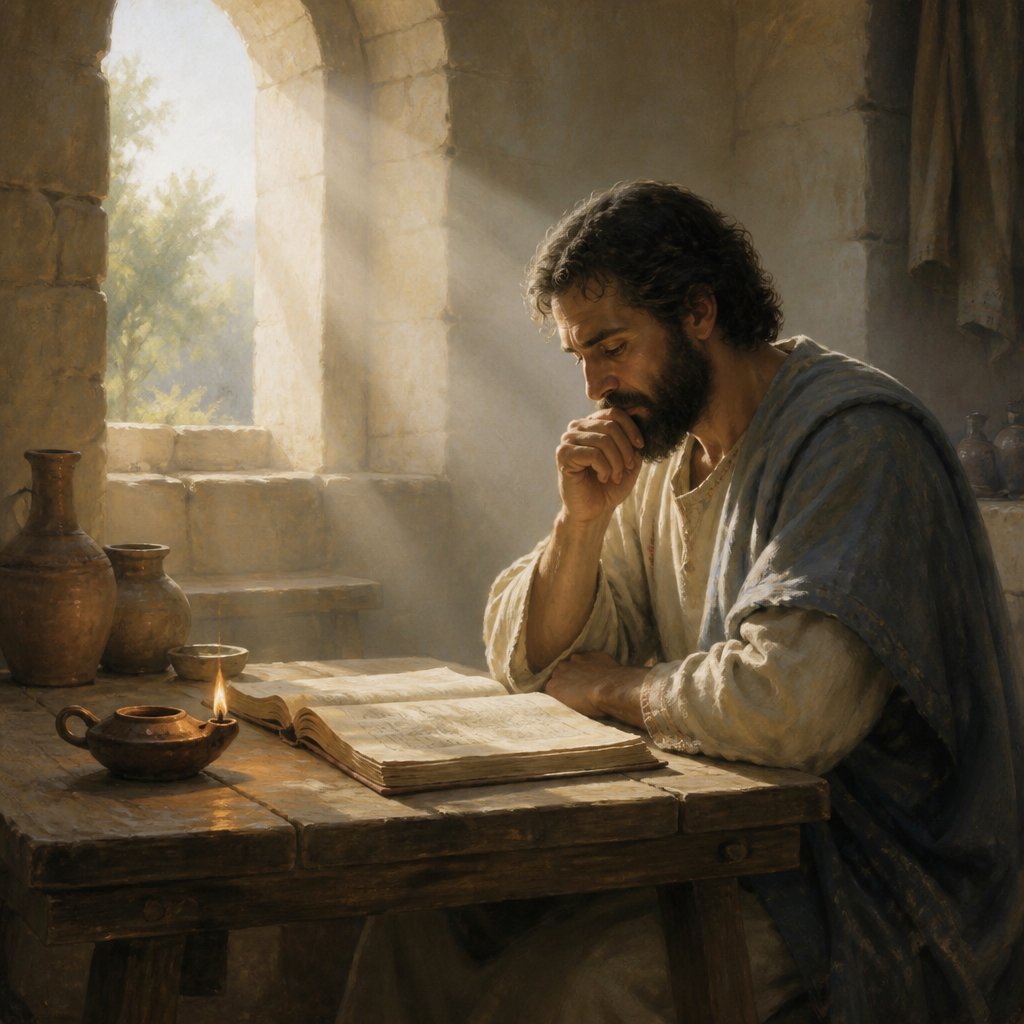
The verse 2 Timothy 2:7 in the King James Version (KJV) of the Bible reads: "Consider what I say, and the Lord give thee understanding in all things." This verse is part of the second letter of the Apostle Paul to Timothy, his beloved disciple.
In the broader context of the letter, Paul is encouraging and instructing Timothy on how to be a faithful and effective minister of the Gospel. In the preceding verses, Paul talks about the need to endure hardships and to be a good soldier of Jesus Christ. He provides examples of how those who compete in athletics, work as farmers, and serve in the military must discipline themselves and endure hardships in order to achieve success. The verse we are examining falls within this section and serves as a call to reflect and meditate on Paul's instructions so that the Lord may grant understanding in all things.
The verse can be broken down into two parts for further exploration. The first part, "Consider what I say," emphasizes the importance of reflection and deep consideration of the teachings and wisdom of the Gospel. Paul is reminding Timothy to carefully examine the words he has shared with him, as they are not simply human wisdom but are divinely inspired. This statement also carries a message about the necessity of discernment and critical thinking when it comes to matters of faith. Rather than blindly accepting what is said, believers are encouraged to carefully consider the teachings and doctrines presented to them in light of the overarching message of the Gospel.
The second part of the verse, "and the Lord give thee understanding in all things," expresses Paul's hope and prayer that Timothy would receive divine wisdom and insight as he seeks to apply the teachings of the Gospel in his life and ministry. Understanding here refers to more than just intellectual comprehension; it encompasses spiritual discernment, insight, and wisdom which empower believers to live out their faith with clarity and purpose. This understanding enables believers to navigate the complexities and challenges of life in a way that is aligned with God's will.
This verse carries several key themes that are central to the Christian faith. The first theme is the importance of understanding and wisdom in the Christian life. Throughout the Bible, believers are exhorted to seek wisdom and understanding, recognizing that it is a gift from God and essential for living a life that is pleasing to Him. Proverbs 4:7 (KJV) states, "Wisdom is the principal thing; therefore get wisdom: and with all thy getting get understanding." Similarly, James 1:5 (KJV) encourages believers to ask God for wisdom, promising that He will generously give it to those who ask.
Another important theme present in this verse is the concept of divine revelation. Paul acknowledges that true understanding in all things comes from the Lord. This acknowledgment highlights the dependence of believers on God for spiritual insight and wisdom. It also underscores the belief that the understanding of divine truths is not attainable through human effort alone but requires the illumination of the Holy Spirit. This concept is emphasized throughout the Bible, particularly in the New Testament, where believers are reminded that the Holy Spirit is their helper and guide in all matters of faith.
The verse also speaks to the importance of learning and growth in the Christian life. By exhorting Timothy to consider what he has said, Paul is emphasizing the continual need for study and reflection on the teachings of the Gospel. This echoes the broader theme found in the Bible of the importance of spiritual growth and maturity. Hebrews 5:12 (KJV) admonishes believers, saying, "For when for the time ye ought to be teachers, ye have need that one teach you again which be the first principles of the oracles of God." This verse emphasizes the need for believers to continually grow in their understanding and knowledge of the scriptures.
In terms of symbolism, this verse can be seen as symbolizing the importance of the Word of God as a source of understanding and wisdom. The act of "considering" what is said implies a deliberate and intentional engagement with the teachings of the Gospel. This process of consideration and meditation on the Word of God is itself a form of communion with the divine, as believers seek to comprehend and internalize the truths contained in the scriptures. It also symbolizes the transformative power of the Word, as the act of considering and reflecting on it leads to a deeper understanding and insight. The verse further symbolizes the role of the Holy Spirit in granting understanding, as believers are dependent on divine revelation for true wisdom and insight.
In conclusion, 2 Timothy 2:7 in the KJV presents a powerful exhortation from the Apostle Paul to his disciple Timothy, emphasizing the importance of reflecting on the teachings of the Gospel and seeking divine understanding in all things. This verse touches on key themes such as the pursuit of wisdom and understanding, the dependence on divine revelation, and the importance of continual growth in the Christian life. It also symbolizes the transformative power of the Word of God and the role of the Holy Spirit in granting spiritual insight and wisdom. As such, it continues to be a source of encouragement and guidance for believers as they seek to live out their faith in the world.
Have questions about 2 Timothy 2:7?
Dive deeper into this scripture with Bible Chat — an AI-powered tool for exploring God's Word through conversation. Ask questions, get context, and grow in your understanding of the Bible.
Get Our Apps


2 Timothy 2:7 Artwork

2 Timothy 2:7 - "Consider what I say; and the Lord give thee understanding in all things."
"Consider what I say; and the Lord give thee understanding in all things." - 2 Timothy 2:7

2 Timothy 1:7

2 Timothy 1:7

2 Timothy 1:7

2 Timothy 1:7

2 Timothy 1:7

2 Timothy 1:7

2 Timothy 1:7

2 Timothy 1:7

2 Timothy 4 7

2 Timothy 1:7

2 Timothy 1:7

2 Timothy 1:7

2 Timothy 1:7

2 Timothy 1:7

2 Timothy 1:7

2 Timothy 1:7

2 Timothy 1:7

2 Timothy 1:7

2 Timothy 1:7

2 Timothy 1:7

2 Timothy 1:7

2 Timothy 1:7

2 Timothy 1:7

2 Timothy 1:7

2 Timothy 1:7

2 Timothy 1:7

2 Timothy 1:7

2 Timothy 1:7