What does 2 Timothy 2:13 mean?
"If we believe not, yet he abideth faithful: he cannot deny himself." - 2 Timothy 2:13
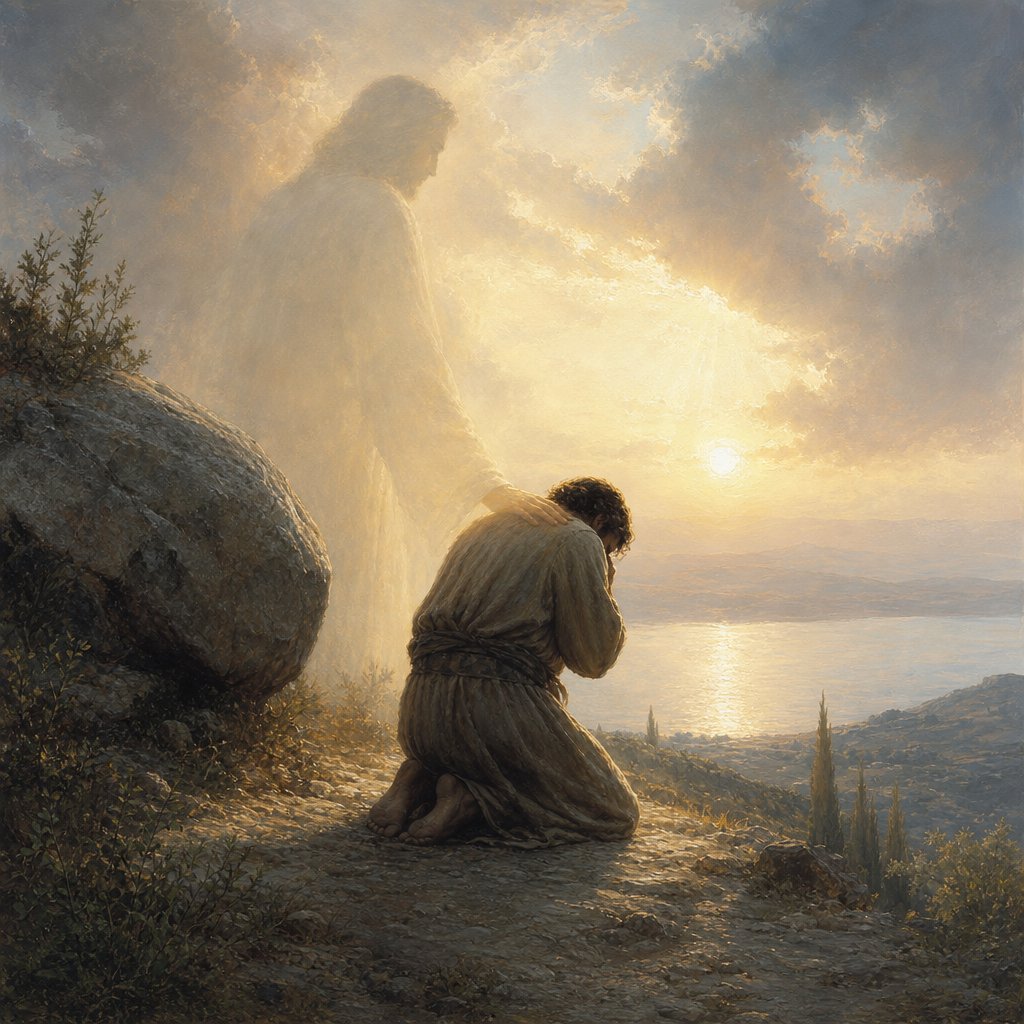
The verse 2 Timothy 2:13 from the King James Version of the Bible reads, “If we believe not, yet he abideth faithful: he cannot deny himself.” This verse is found in the New Testament, specifically in the second epistle of Paul to Timothy. In this letter, Paul, who is writing from a Roman prison, is encouraging and instructing Timothy in his ministry as a pastor and preacher.
The verse 2 Timothy 2:13 is an affirmation of God’s faithfulness and unchanging nature, even in the face of human doubt and unbelief. It serves as a source of comfort and reassurance for believers, reminding them of God’s steadfastness and his unwavering commitment to his promises.
One of the key themes of this verse is the faithfulness of God. The verse begins with the conditional statement, “If we believe not,” acknowledging the possibility of human doubt and unbelief. Despite our wavering faith, the verse asserts that God remains faithful. This reflects the unchanging and dependable nature of God, who is not swayed by human circumstances or emotions. It also underscores the idea that God’s faithfulness does not depend on our own faithfulness, but exists independently of it.
The second part of the verse, “he cannot deny himself,” speaks to the immutability of God. This means that God cannot act contrary to his own nature or character. He is eternally consistent and true to himself, and therefore cannot act in a way that would contradict his own attributes. This further emphasizes the reliability of God’s faithfulness, as it is an intrinsic part of who he is.
The context of this verse is important for understanding its significance. The epistle of 2 Timothy is written by the apostle Paul to his protégé Timothy, who is facing challenges and opposition in his ministry. Paul seeks to encourage and strengthen Timothy in his faith and calling, as well as to provide practical guidance for effective ministry. The verse 2 Timothy 2:13 occurs within a larger passage in which Paul encourages Timothy to remain firm in his faith despite the difficulty and opposition he may face.
In this larger context, the verse serves as a reminder to Timothy, and to all believers, that God’s faithfulness is unwavering and enduring, even in the midst of doubt and uncertainty. It is a source of hope and encouragement, pointing to the unchanging nature of God as a solid foundation on which to anchor one’s faith. This message would have been particularly relevant to Timothy as he navigated the challenges of pastoral ministry and sought to remain steadfast in his calling.
Symbolically, this verse can be understood as a reflection of the unchanging and constant nature of God. It speaks to the reliability of God’s character and his unwavering commitment to his people. The image of God as faithful and unchanging is a central theme in the Bible, and this verse serves as a powerful affirmation of that characteristic. It also underscores the idea that God’s faithfulness is not dependent on human actions or beliefs, but is an inherent part of his divine nature.
In conclusion, 2 Timothy 2:13 is a verse that carries a message of hope and assurance for believers. It emphasizes the unchanging nature of God’s faithfulness, even in the face of human doubt and unbelief. It reminds us that God’s steadfastness does not depend on our own faithfulness, but is an intrinsic part of his character. This verse serves as a source of comfort and encouragement, particularly in times of uncertainty and difficulty, and points to the enduring nature of God as a solid foundation for our faith.
Have questions about 2 Timothy 2:13?
Dive deeper into this scripture with Bible Chat — an AI-powered tool for exploring God's Word through conversation. Ask questions, get context, and grow in your understanding of the Bible.
Get Our Apps


2 Timothy 2:13 Artwork

2 Timothy 2:13 - "If we believe not, yet he abideth faithful: he cannot deny himself."

"If we believe not, yet he abideth faithful: he cannot deny himself." - 2 Timothy 2:13
"If we believe not, yet he abideth faithful: he cannot deny himself." - 2 Timothy 2:13

1 Timothy 2:13 - "For Adam was first formed, then Eve."

2 Timothy 3:13 - "But evil men and seducers shall wax worse and worse, deceiving, and being deceived."

"For Adam was first formed, then Eve." - 1 Timothy 2:13

2 Timothy 4:13 - "The cloke that I left at Troas with Carpus, when thou comest, bring with thee, and the books, but especially the parchments."

2 Timothy 1:13 - "Hold fast the form of sound words, which thou hast heard of me, in faith and love which is in Christ Jesus."

2 Timothy 2:22

2 Timothy 2:15

2 Timothy 1:2 - "To Timothy, my dearly beloved son: Grace, mercy, and peace, from God the Father and Christ Jesus our Lord."

2 Timothy 2:6 - "The husbandman that laboureth must be first partaker of the fruits."

2 Timothy 2:17 - "And their word will eat as doth a canker: of whom is Hymenaeus and Philetus;"

2 Timothy 2:1 - "Thou therefore, my son, be strong in the grace that is in Christ Jesus."

2 Timothy 2:3 - "Thou therefore endure hardness, as a good soldier of Jesus Christ."

2 Timothy 2:16 - "But shun profane and vain babblings: for they will increase unto more ungodliness."

2 Timothy 2:23 - "But foolish and unlearned questions avoid, knowing that they do gender strifes."

"But evil men and seducers shall wax worse and worse, deceiving, and being deceived." - 2 Timothy 3:13

2 Timothy 2:11 - "It is a faithful saying: For if we be dead with him, we shall also live with him:"

1 Timothy 2:8

2 Timothy 1:7

2 Timothy 1:7

2 Timothy 1:7

2 Timothy 1:7

2 Timothy 1:7

2 Timothy 4 7

2 Timothy 1:7

2 Timothy 1:7

2 Timothy 1:7

2 Timothy 1:7