What does 2 Timothy 2:11 mean?
"It is a faithful saying: For if we be dead with him, we shall also live with him:" - 2 Timothy 2:11

2 Timothy 2:11 in the King James Version (KJV) of the Bible reads, "It is a faithful saying: For if we be dead with him, we shall also live with him." This verse is part of a larger passage in which the apostle Paul is encouraging Timothy to remain faithful and endure hardship as a good soldier of Jesus Christ.
The verse comes in the context of Paul's instruction to Timothy regarding how to conduct himself as a servant of the Lord. In the preceding verses, Paul uses several metaphors to illustrate certain aspects of the Christian life, including that of a soldier (v. 3-4), an athlete (v. 5), a hardworking farmer (v. 6), and a worker who rightly handles the word of truth (v. 15). These metaphors serve to emphasize the principles of discipline, perseverance, and faithfulness in one's walk with Christ.
In 2 Timothy 2:11, Paul uses the phrase, "It is a faithful saying," to introduce a profound truth that is reliable and trustworthy. He goes on to declare that if believers have died with Christ, they will also live with Him. This statement points to the fundamental Christian doctrine of identification with Christ in His death and resurrection. When a person believes in Jesus Christ, they become united with Him through faith, and their old self is considered crucified with Him, so that they can experience newness of life (Romans 6:6).
The verse echoes the Apostle Paul's words in Romans 6:8, where he proclaims, "Now if we have died with Christ, we believe that we will also live with him." This idea of dying with Christ and living with Him is a central theme in the New Testament, emphasizing the transformative power of the Gospel. It speaks to the believer's participation in Christ's death, burial, and resurrection, which leads to newness of life and eternal fellowship with Him.
The concept of dying with Christ denotes a surrendering of one's old sinful nature and self-centered life. It signifies a willingness to be crucified with Christ, acknowledging His atoning sacrifice on the cross as the means of redemption. This spiritual death allows for a rebirth into a life that is characterized by spiritual renewal, holiness, and a growing conformity to the image of Christ (Romans 6:4).
The subsequent promise of living with Christ indicates the believer's hope in the future resurrection and eternal life in the presence of God. It points to the assurance of sharing in Christ's victory over sin and death, and enjoying fellowship with Him for all eternity. This underscores the believer's confidence in the faithfulness of God's promises and the certainty of their future inheritance in Christ.
The verse also reflects the theme of union with Christ, a recurring motif in the New Testament. Believers are considered to be in Christ, and as a result, they share in His death, burial, and resurrection, as well as in His righteousness and inheritance. This union with Christ is a source of spiritual strength, security, and identity for the believer, enabling them to live a life that is pleasing to God and empowered by His grace.
In conclusion, 2 Timothy 2:11 in the King James Version presents a profound truth about the believer's union with Christ in His death and resurrection. It conveys the assurance of sharing in Christ's life and victory, as well as the hope of eternal fellowship with Him. This verse underscores the foundational principles of the Christian faith, highlighting the believer's identification with Christ and the transformative power of the Gospel. It serves as a source of encouragement and motivation for believers to remain steadfast in their faith and devotion to the Lord, even in the face of trials and tribulations.
Have questions about 2 Timothy 2:11?
Dive deeper into this scripture with Bible Chat — an AI-powered tool for exploring God's Word through conversation. Ask questions, get context, and grow in your understanding of the Bible.
Get Our Apps


2 Timothy 2:11 Artwork

2 Timothy 2:11 - "It is a faithful saying: For if we be dead with him, we shall also live with him:"

2 Timothy 2:11-12 - "Here is a trustworthy saying: If we died with him, we will also live with him; if we endure, we will also reign with him. If we disown him, he will also disown us."
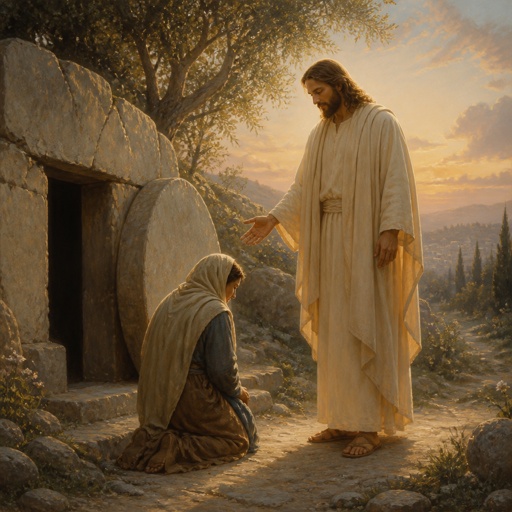
"It is a faithful saying: For if we be dead with him, we shall also live with him:" - 2 Timothy 2:11

"Here is a trustworthy saying: If we died with him, we will also live with him; if we endure, we will also reign with him. If we disown him, he will also disown us." - 2 Timothy 2:11-12

2 Timothy 2:22

2 Timothy 2:15

1 Timothy 2:11 - "Let the woman learn in silence with all subjection."

2 Timothy 1:11 - "Whereunto I am appointed a preacher, and an apostle, and a teacher of the Gentiles."

2 Timothy 4:11 - "Only Luke is with me. Take Mark, and bring him with thee: for he is profitable to me for the ministry."

"Let the woman learn in silence with all subjection." - 1 Timothy 2:11

2 Timothy 1:2 - "To Timothy, my dearly beloved son: Grace, mercy, and peace, from God the Father and Christ Jesus our Lord."

2 Timothy 3:11 - "Persecutions, afflictions, which came unto me at Antioch, at Iconium, at Lystra; what persecutions I endured: but out of them all the Lord delivered me."

"Whereunto I am appointed a preacher, and an apostle, and a teacher of the Gentiles." - 2 Timothy 1:11

2 Timothy 2:6 - "The husbandman that laboureth must be first partaker of the fruits."

2 Timothy 2:17 - "And their word will eat as doth a canker: of whom is Hymenaeus and Philetus;"

2 Timothy 2:1 - "Thou therefore, my son, be strong in the grace that is in Christ Jesus."

2 Timothy 2:3 - "Thou therefore endure hardness, as a good soldier of Jesus Christ."

2 Timothy 2:16 - "But shun profane and vain babblings: for they will increase unto more ungodliness."

2 Timothy 2:23 - "But foolish and unlearned questions avoid, knowing that they do gender strifes."

2 Timothy 2:13 - "If we believe not, yet he abideth faithful: he cannot deny himself."

1 Timothy 2:8

2 Timothy 1:7

2 Timothy 1:7

2 Timothy 1:7

2 Timothy 1:7

2 Timothy 1:7

2 Timothy 1:7

2 Timothy 1:7

2 Timothy 1:7

2 Timothy 4 7