What does 2 Timothy 1:18 mean?
"The Lord grant unto him that he may find mercy of the Lord in that day: and in how many things he ministered unto me at Ephesus, thou knowest very well." - 2 Timothy 1:18
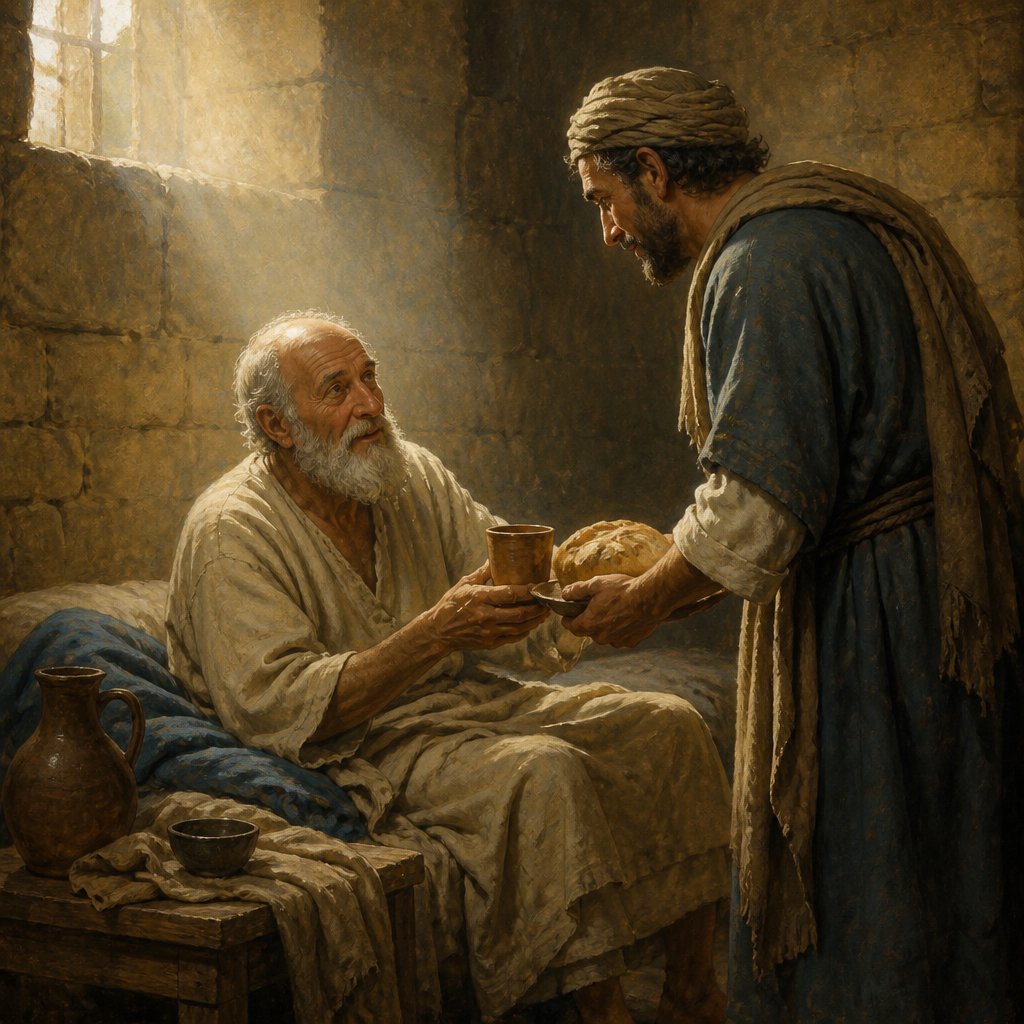
In 2 Timothy 1:18, the King James Version (KJV) reads, "The Lord grant unto him that he may find mercy of the Lord in that day: and in how many things he ministered unto me at Ephesus, thou knowest very well."
This verse is part of the closing remarks in the second letter that the Apostle Paul wrote to Timothy. It is a prayer and a request for mercy for a man named Onesiphorus, who had been a faithful friend and supporter to Paul during his time in Ephesus. As we examine the verse in more detail, we can uncover several key themes, historical context, and symbolism that shed light on its significance.
First, let's explore the context in which this verse appears. The letter to Timothy was written by the apostle Paul while he was imprisoned in Rome, facing impending death. In this letter, Paul addresses Timothy, his beloved co-worker and friend, with words of encouragement, exhortation, and instruction. Throughout the letter, Paul emphasizes the importance of faith, perseverance, and the spread of the gospel. He also reflects on his own life and ministry, knowing that his time on earth is coming to an end.
In verse 18, Paul mentions Onesiphorus, who had been a great source of comfort and support to him. It is likely that Onesiphorus had visited Paul during his imprisonment in Rome, as Paul makes reference to him in the past tense. In the verse, Paul expresses his desire for Onesiphorus to receive mercy from the Lord "in that day." This could be interpreted as a reference to the final judgment, where all believers will stand before God to give an account of their lives. Paul's prayer for mercy for Onesiphorus reflects his deep concern for his friend's spiritual well-being.
One of the key themes in this verse is the concept of mercy. Throughout the Bible, mercy is a central attribute of God, demonstrated through His compassion, forgiveness, and love for humankind. In this context, Paul is seeking God's mercy for Onesiphorus, acknowledging his friend's faithful service and sacrificial ministry. This act of intercession for another person's spiritual welfare reveals Paul's compassionate and selfless nature, as well as his belief in the power of prayer.
Another theme that emerges from this verse is the importance of faithful service and ministry. Paul mentions how Onesiphorus had ministered to him in Ephesus, indicating that he had been a source of practical and emotional support during a difficult time. Throughout his letters, Paul often commends those who have served faithfully in the spread of the gospel and the care of fellow believers. Onesiphorus's example serves as a reminder of the impact that a dedicated and selfless servant can have in the lives of others.
There is also a historical and contextual significance to this verse. Ephesus was a prominent city in Asia Minor, where Paul had spent a significant amount of time during his missionary journeys. It was a bustling metropolis with a diverse population and a center for trade, culture, and religious worship. Paul had established a Christian community in Ephesus and had encountered significant opposition from those who opposed his message. Onesiphorus's ministry to Paul in Ephesus would have taken place in this challenging and sometimes hostile environment, highlighting the courage and devotion of his service.
Symbolism can also be found within this verse. The mention of finding mercy "in that day" alludes to the future judgment and the hope of salvation for believers. It serves as a reminder of the ultimate destiny of all individuals and the need for God's mercy and grace. Paul's prayer for Onesiphorus is a powerful symbol of the believer's responsibility to intercede for one another and to seek God's mercy on behalf of those in need.
In conclusion, 2 Timothy 1:18 from the King James Version carries profound themes of mercy, faithful service, and the power of prayer. It offers a glimpse into the heart of the apostle Paul as he expresses his deep concern for a dear friend and fellow servant of the gospel. The verse also serves as a timeless reminder of the believer's call to intercede for others and to seek God's mercy and grace for those in need. It stands as a testament to the enduring relevance and significance of the biblical message in the lives of believers throughout history.
Have questions about 2 Timothy 1:18?
Dive deeper into this scripture with Bible Chat — an AI-powered tool for exploring God's Word through conversation. Ask questions, get context, and grow in your understanding of the Bible.
Get Our Apps


2 Timothy 1:18 Artwork

2 Timothy 1:18 - "The Lord grant unto him that he may find mercy of the Lord in that day: and in how many things he ministered unto me at Ephesus, thou knowest very well."
"The Lord grant unto him that he may find mercy of the Lord in that day: and in how many things he ministered unto me at Ephesus, thou knowest very well." - 2 Timothy 1:18

2 Timothy 1:8 - "Be not thou therefore ashamed of the testimony of our Lord, nor of me his prisoner: but be thou partaker of the afflictions of the gospel according to the power of God;"

1 Timothy 1:18 - "This charge I commit unto thee, son Timothy, according to the prophecies which went before on thee, that thou by them mightest war a good warfare;"

2 Timothy 1:7

2 Timothy 1:7

2 Timothy 1:7

2 Timothy 1:7

2 Timothy 1:7

2 Timothy 1:7

2 Timothy 1:7

2 Timothy 1:7

2 Timothy 1:7

2 Timothy 1:7

2 Timothy 1:7

2 Timothy 1:7

2 Timothy 1:7

2 Timothy 1:7

2 Timothy 1:7

2 Timothy 1:7

2 Timothy 1:7

2 Timothy 1:7

2 Timothy 1:7

2 Timothy 1:7

2 Timothy 1:7

2 Timothy 1:7

2 Timothy 1:7

2 Timothy 1:7

2 Timothy 1:7

2 Timothy 1:7