What does 2 Samuel 6:12 mean?
"¶ And it was told king David, saying, The LORD hath blessed the house of Obed-edom, and all that pertaineth unto him, because of the ark of God. So David went and brought up the ark of God from the house of Obed-edom into the city of David with gladness." - 2 Samuel 6:12
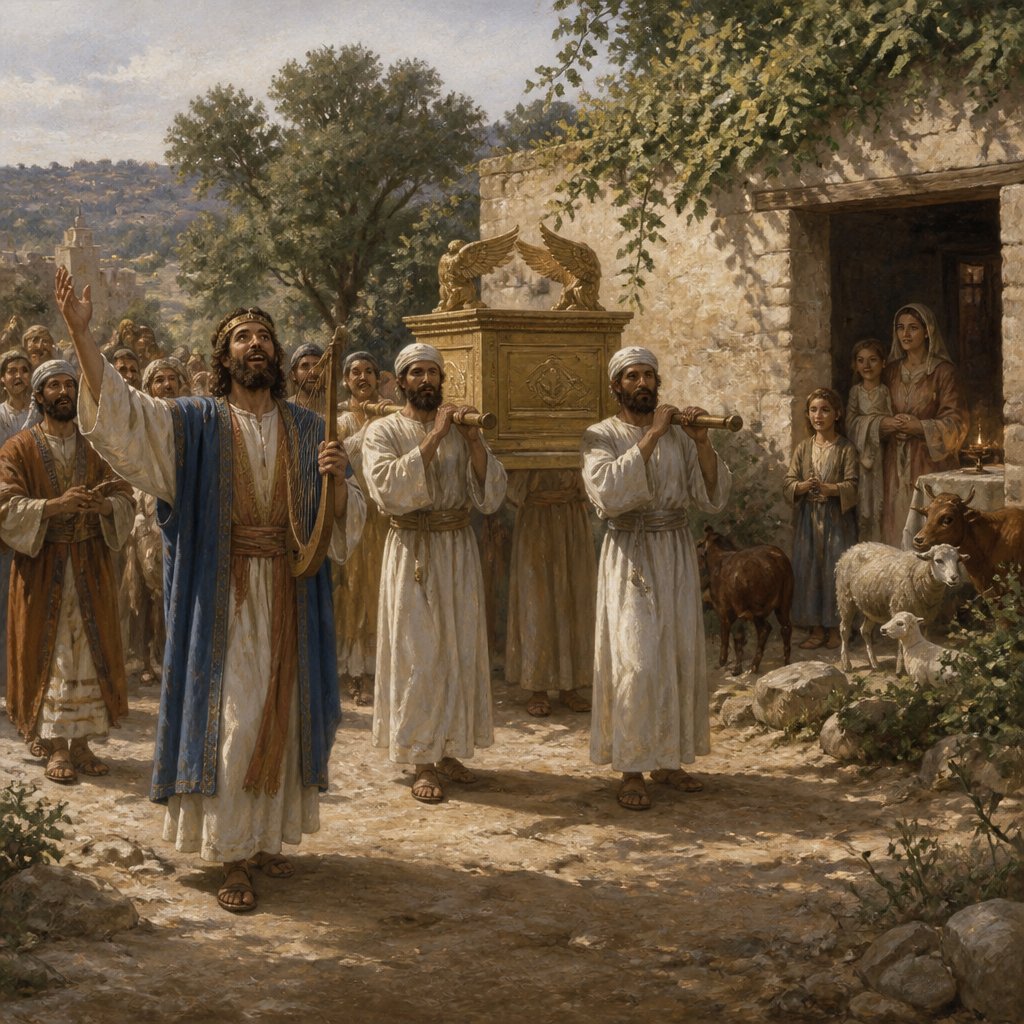
2 Samuel 6:12 (KJV) states, "And it was told king David, saying, The Lord hath blessed the house of Obededom, and all that pertaineth unto him, because of the ark of God. So David went and brought up the ark of God from the house of Obededom into the city of David with gladness."
This verse comes from the Old Testament and is part of the story of King David bringing the ark of God to the city of David. This event holds significant meaning in the historical and cultural context of Israel, and it also carries important spiritual and moral lessons for believers.
The ark of God, also known as the Ark of the Covenant, held tremendous significance for the nation of Israel. It was a sacred chest that contained the tablets of the Ten Commandments, which were given to Moses by God. The ark was a symbol of God's presence among His people and was to be treated with the utmost reverence and respect. The fact that the ark had been residing in the house of Obededom and had brought blessings upon him and his household signifies the power and holiness of the ark.
When King David heard that the house of Obededom had been blessed because of the presence of the ark, he was filled with joy and gladness. This demonstrates David's reverence for God and his understanding of the importance of seeking and honoring God's presence. In response, David made plans to bring the ark to the city of David, as he recognized the significance of having God's presence in the midst of the people.
The theme of God's blessing and the importance of seeking His presence is prevalent in this verse. It serves as a reminder of the blessings that come from being in the presence of God and the way in which He bestows favor upon those who honor Him. The story of Obededom's blessing also highlights the faithfulness of God to His promises and the impact of His presence in the lives of His people.
Furthermore, the verse emphasizes the importance of joy and gladness in worship and serving God. David's response to the news of Obededom's blessing was to bring the ark to the city with gladness. This attitude reflects the joy that comes from being in God's presence and the celebration that should accompany worship and reverence for Him.
Symbolically, the ark of God represents the presence and holiness of God. It serves as a tangible reminder of His covenant with His people and His desire to dwell among them. The blessings that were experienced by Obededom and his household because of the ark demonstrate the power and favor of God that accompanies His presence.
Overall, 2 Samuel 6:12 conveys a profound message about the blessings and joy that come from seeking and honoring the presence of God. It also serves as a call to approach worship and service to God with gladness and reverence. The historical and cultural context of this verse adds depth to its significance, and it continues to inspire believers to seek God's presence and to celebrate His blessings with joy.
Have questions about 2 Samuel 6:12?
Dive deeper into this scripture with Bible Chat — an AI-powered tool for exploring God's Word through conversation. Ask questions, get context, and grow in your understanding of the Bible.
Get Our Apps


2 Samuel 6:12 Artwork

2 Samuel 6:12 - "¶ And it was told king David, saying, The LORD hath blessed the house of Obed-edom, and all that pertaineth unto him, because of the ark of God. So David went and brought up the ark of God from the house of Obed-edom into the city of David with gladness."
"¶ And it was told king David, saying, The LORD hath blessed the house of Obed-edom, and all that pertaineth unto him, because of the ark of God. So David went and brought up the ark of God from the house of Obed-edom into the city of David with gladness." - 2 Samuel 6:12

2 Samuel 12:6 - "And he shall restore the lamb fourfold, because he did this thing, and because he had no pity."

2 Samuel 6:14

2 Samuel 6:14–22

1 Samuel 12:6 - "¶ And Samuel said unto the people, It is the LORD that advanced Moses and Aaron, and that brought your fathers up out of the land of Egypt."

2 Samuel 5:12

1 Samuel 2:12

2 Samuel 12:2 - "The rich man had exceeding many flocks and herds:"

2 Samuel 12:12 - "For thou didst it secretly: but I will do this thing before all Israel, and before the sun."
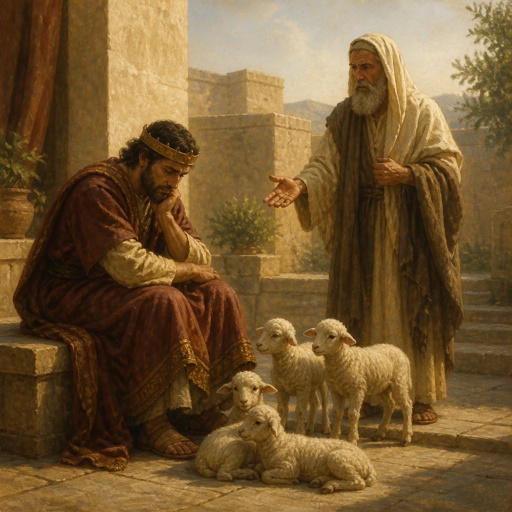
"And he shall restore the lamb fourfold, because he did this thing, and because he had no pity." - 2 Samuel 12:6

2 Samuel 2:12 - "¶ And Abner the son of Ner, and the servants of Ish-bosheth the son of Saul, went out from Mahanaim to Gibeon."

2 Samuel 6:1 - "Again, David gathered together all the chosen men of Israel, thirty thousand."

Isaiah 12:2-6

Isaiah 12:2-6

Isaiah 12:2-6

1 Samuel 2:12 - "¶ Now the sons of Eli were sons of Belial; they knew not the LORD."

ecclesiastes 12:2-6

Isaiah 12:2-6

Isaiah 12:2-6

Isaiah 12:2-6

2 Samuel 6:23 - "Therefore Michal the daughter of Saul had no child unto the day of her death."

2 Samuel 12:26 - "And Joab fought against Rabbah of the children of Ammon, and took the royal city."

2 Samuel 6:6 - "¶ And when they came to Nachon's threshingfloor, Uzzah put forth his hand to the ark of God, and took hold of it; for the oxen shook it."

2 Samuel 12:29 - "And David gathered all the people together, and went to Rabbah, and fought against it, and took it."

2 Samuel 22:6 - "The sorrows of hell compassed me about; the snares of death prevented me;"

2 Samuel 23:12 - "But he stood in the midst of the ground, and defended it, and slew the Philistines: and the LORD wrought a great victory."

2 Samuel 18:6 - "¶ So the people went out into the field against Israel: and the battle was in the wood of Ephraim;"

1 Samuel 2:6 - "The LORD killeth, and maketh alive: he bringeth down to the grave, and bringeth up."

2 Samuel 24:6 - "Then they came to Gilead, and to the land of Tahtim-hodshi; and they came to Dan-jaan, and about to Zidon,"