What does 2 Samuel 5:25 mean?
"And David did so, as the LORD had commanded him; and smote the Philistines from Geba until thou come to Gazer." - 2 Samuel 5:25
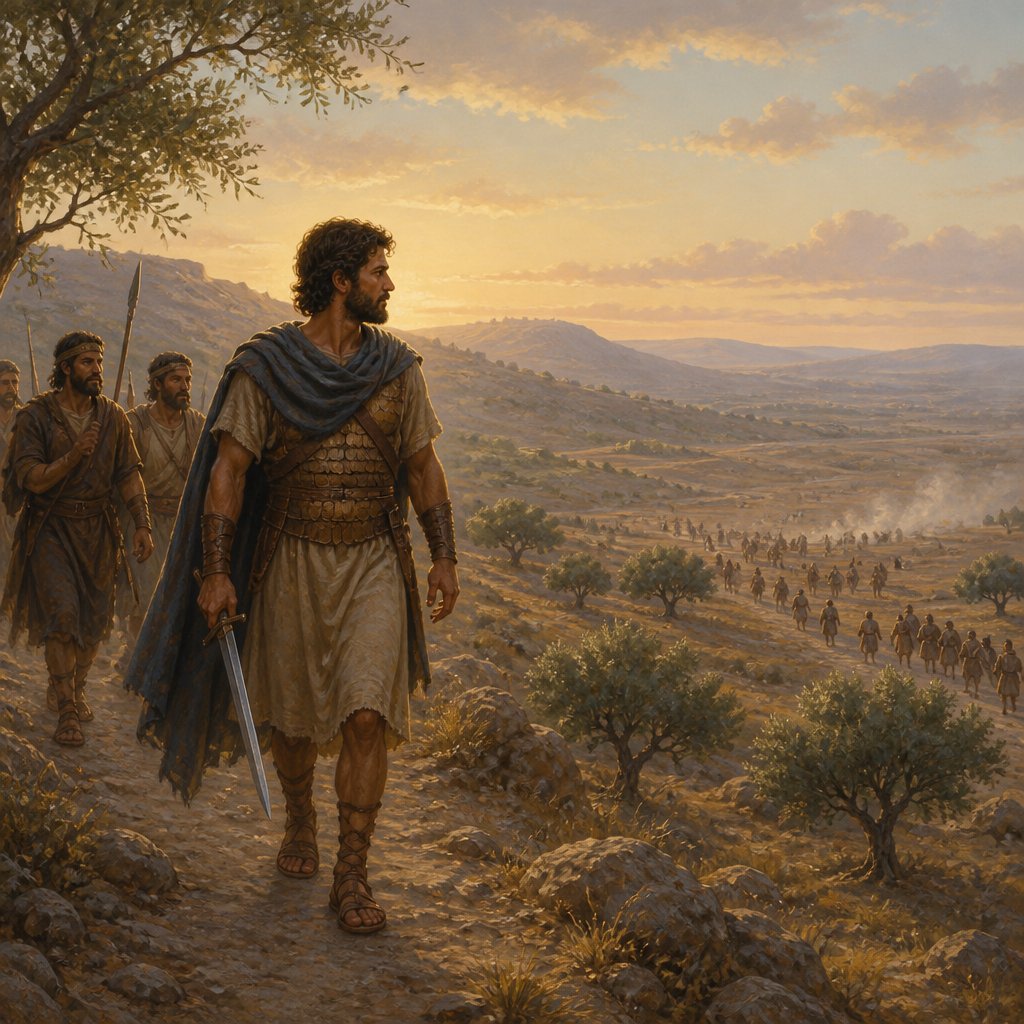
2 Samuel 5:25 (KJV) reads, "And David did so, as the Lord had commanded him; and smote the Philistines from Geba until thou come to Gazer."
This verse is part of the larger narrative of King David's reign as the king of Israel. It comes at a crucial moment in David's rule, as he is solidifying his power and influence over the land. This verse demonstrates David's dedication to following the commands of the Lord and his success in defeating the Philistines, who were a persistent threat to the nation of Israel.
One of the central themes of this verse is obedience to God's commands. Throughout the Bible, there is an emphasis on the importance of following God's will and trusting in His guidance. In this verse, David's willingness to obey the Lord's command demonstrates his faith and devotion to God. This theme is relevant to believers today, as it serves as a reminder to prioritize God's instructions and trust in His plan for our lives.
Another key theme of this verse is the idea of victory over enemies. The Philistines were long-standing adversaries of the Israelites, and their defeat at the hands of David exemplifies the triumph of God's chosen people over their enemies. This victory symbolizes the power of God and His ability to deliver His people from harm. It also serves as a testament to the strength and leadership of King David, who was anointed by God to rule over Israel. This theme can offer encouragement to believers facing their own challenges and obstacles, reminding them that God is capable of granting them victory over their adversaries.
The context of 2 Samuel 5:25 is important for understanding its significance within the broader biblical narrative. This verse occurs during a pivotal moment in David's reign, as he consolidates his power and establishes Jerusalem as the capital of Israel. The Philistines were a constant threat to the nation, and David's defeat of them marked a significant turning point in his leadership. This victory contributed to the stability and security of the kingdom under David's rule.
Symbolism plays a prominent role in this verse as well. The Philistines can be seen as symbolic of the challenges and temptations that believers face in their spiritual journeys. David's victory over the Philistines represents the triumph of faith and righteousness over adversity and evil forces. It serves as a reminder that with God's help, believers can overcome the obstacles they encounter in their lives.
In conclusion, 2 Samuel 5:25 is a verse that carries profound meaning for believers. It highlights the themes of obedience to God's commands, victory over enemies, and the symbolism of overcoming adversity. The context of this verse in the larger narrative of King David's reign further emphasizes its significance. Ultimately, this verse serves as a source of inspiration and encouragement for believers, reminding them of the power of faith and God's ability to grant victory over life's challenges.
Have questions about 2 Samuel 5:25?
Dive deeper into this scripture with Bible Chat — an AI-powered tool for exploring God's Word through conversation. Ask questions, get context, and grow in your understanding of the Bible.
Get Our Apps


2 Samuel 5:25 Artwork

2 Samuel 5:25 - "And David did so, as the LORD had commanded him; and smote the Philistines from Geba until thou come to Gazer."
"And David did so, as the LORD had commanded him; and smote the Philistines from Geba until thou come to Gazer." - 2 Samuel 5:25

2 Samuel 5:12

2 Samuel 23:25 - "Shammah the Harodite, Elika the Harodite,"

2 Samuel 20:25 - "And Sheva was scribe: and Zadok and Abiathar were the priests:"

2 Samuel 2:25 - "¶ And the children of Benjamin gathered themselves together after Abner, and became one troop, and stood on the top of an hill."

2 Samuel 5:15 - "Ibhar also, and Elishua, and Nepheg, and Japhia,"

2 Samuel 5:16 - "And Elishama, and Eliada, and Eliphalet."

"And Elishama, and Eliada, and Eliphalet." - 2 Samuel 5:16

"Shammah the Harodite, Elika the Harodite," - 2 Samuel 23:25

2 Samuel 12:25 - "And he sent by the hand of Nathan the prophet; and he called his name Jedidiah, because of the LORD."

2 Samuel 1:25 - "How are the mighty fallen in the midst of the battle! O Jonathan, thou wast slain in thine high places."

2 Samuel 5:18 - "The Philistines also came and spread themselves in the valley of Rephaim."

2 Samuel 5:7 - "Nevertheless David took the strong hold of Zion: the same is the city of David."

1 Samuel 25:5 - "And David sent out ten young men, and David said unto the young men, Get you up to Carmel, and go to Nabal, and greet him in my name:"

2 Samuel 22:25 - "Therefore the LORD hath recompensed me according to my righteousness; according to my cleanness in his eye sight."

2 Samuel 5:22 - "¶ And the Philistines came up yet again, and spread themselves in the valley of Rephaim."

2 Samuel 5:21 - "And there they left their images, and David and his men burned them."

"Ibhar also, and Elishua, and Nepheg, and Japhia," - 2 Samuel 5:15

"And Sheva was scribe: and Zadok and Abiathar were the priests:" - 2 Samuel 20:25

2 Samuel 5:10 - "And David went on, and grew great, and the LORD God of hosts was with him."

2 Samuel 18:25 - "And the watchman cried, and told the king. And the king said, If he be alone, there is tidings in his mouth. And he came apace, and drew near."

2 Samuel 5:4 - "¶ David was thirty years old when he began to reign, and he reigned forty years."

2 Samuel 11:5 - "And the woman conceived, and sent and told David, and said, I am with child."

2 Samuel 3:5 - "And the sixth, Ithream, by Eglah David's wife. These were born to David in Hebron."

2 Samuel 19:25 - "And it came to pass, when he was come to Jerusalem to meet the king, that the king said unto him, Wherefore wentest not thou with me, Mephibosheth?"

1 Samuel 5:2 - "When the Philistines took the ark of God, they brought it into the house of Dagon, and set it by Dagon."

2 Samuel 24:25 - "And David built there an altar unto the LORD, and offered burnt offerings and peace offerings. So the LORD was intreated for the land, and the plague was stayed from Israel."

2 Samuel 5:5 - "In Hebron he reigned over Judah seven years and six months: and in Jerusalem he reigned thirty and three years over all Israel and Judah."

2 Samuel 22:5 - "When the waves of death compassed me, the floods of ungodly men made me afraid;"