What does 2 Samuel 4:3 mean?
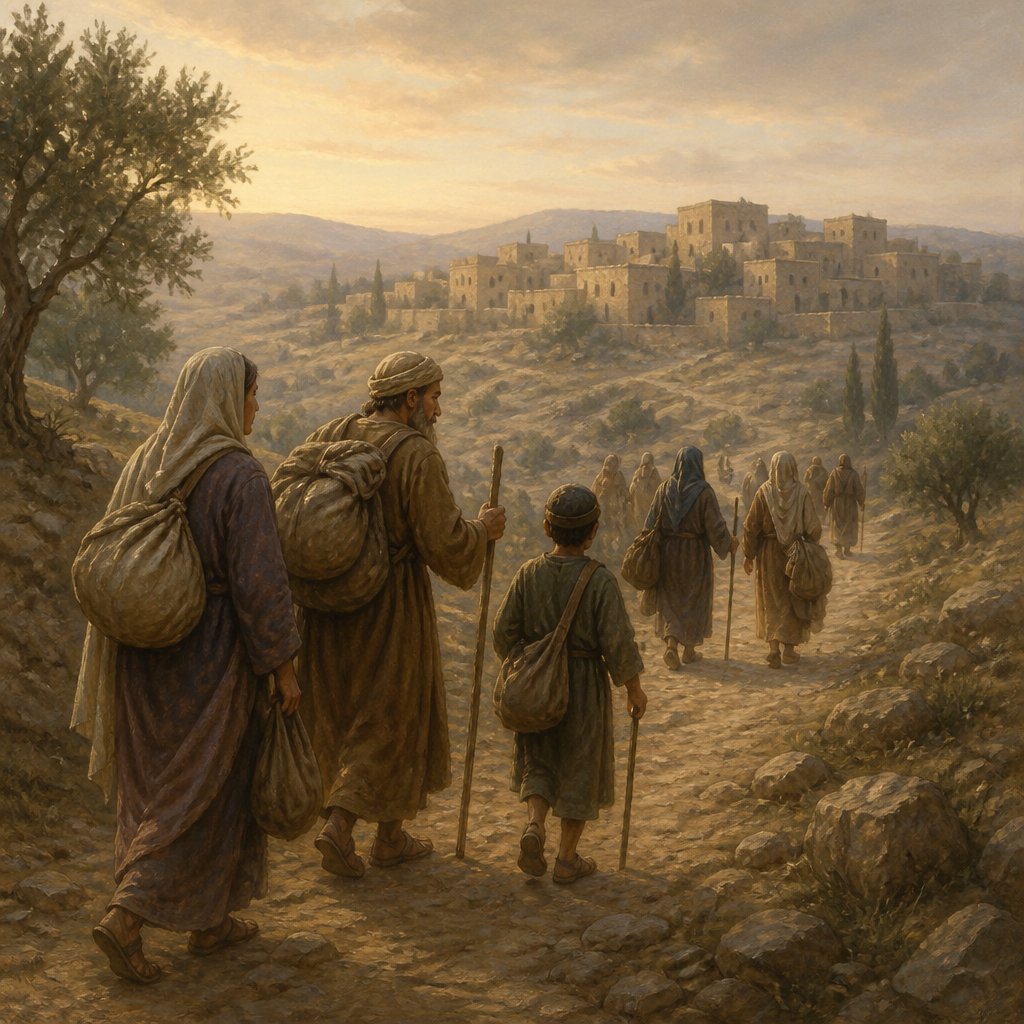
"And the Beerothites fled to Gittaim, and were sojourners there until this day.)" - 2 Samuel 4:3
2 Samuel 4:3 (KJV) states, "And the Beonites, the children of Benjamin, gathered themselves together after the death of Saul, and went to David unto Hebron, and spake, saying, Behold, we are thy bone and thy flesh."
This verse comes from the Old Testament, specifically from the book of 2 Samuel. The book of 2 Samuel is the tenth book of the Bible, and it continues the story of King David's reign after the death of Saul. In this specific verse, the Beonites, who were descendants of Benjamin, approach David after the death of Saul and offer their allegiance to him. This verse serves as a historical account of a pivotal moment in the establishment of David's kingdom.
The Beonites' declaration of loyalty to David is significant in several ways. Firstly, it demonstrates the transfer of power from Saul, the previous king, to David. After Saul's death, there was a natural power vacuum, and various factions and tribes had to decide where their allegiances lay. The Beonites' decision to support David was a crucial step in solidifying his rule and unifying the kingdom under his leadership.
Secondly, the Beonites' statement, "Behold, we are thy bone and thy flesh," carries deeper symbolic and spiritual implications. This phrase emphasizes the sense of kinship and unity among the Israelites, highlighting their shared heritage and common ancestry. By declaring their common bond with David, the Beonites align themselves with the larger community of Israel and acknowledge their interconnectedness as a people. This theme of unity and belonging is central to the identity of the Israelites throughout the Old Testament.
Furthermore, this verse illustrates David's role as a unifying figure and a leader chosen by God. The Beonites' decision to support David reflects their recognition of his rightful place as the chosen king. This aligns with the broader theological theme of divine election and the fulfillment of God's promises to Israel. Throughout the Old Testament, God's sovereignty and providence are consistently emphasized, and David's rise to power is portrayed as part of God's larger plan for the nation of Israel.
In a broader context, this verse also speaks to the importance of loyalty and allegiance in the political and social landscape of ancient Israel. The Beonites' decision to support David underscores the significance of alliances and partnerships in maintaining stability and order within the kingdom. This theme of political unity and cooperation is relevant not only in the historical context of ancient Israel but also in the broader human experience of governance and leadership.
Symbolically, the phrase "thy bone and thy flesh" carries a profound meaning. It evokes the interconnectedness and shared identity of the Israelite people, emphasizing their common heritage and their mutual responsibilities toward one another. This idea of kinship and solidarity is a recurring theme throughout the Bible, underscoring the importance of community and fellowship in the spiritual and social life of the Israelites.
In conclusion, 2 Samuel 4:3 (KJV) provides a rich and multifaceted portrayal of the historical, symbolic, and theological dimensions of the Israelite society during the time of King David. It captures the dynamics of power, loyalty, and unity within the context of the transition of leadership from Saul to David. Moreover, it conveys deeper themes of communal identity and divine providence, highlighting the interconnectedness of the Israelite people and their shared destiny. By examining this verse in its historical and spiritual context, we gain a deeper understanding of the profound significance of the Beonites' declaration of allegiance to David and its broader implications for the Israelite nation.
Have questions about 2 Samuel 4:3?
Dive deeper into this scripture with Bible Chat — an AI-powered tool for exploring God's Word through conversation. Ask questions, get context, and grow in your understanding of the Bible.
Get Our Apps


2 Samuel 4:3 Artwork

2 Samuel 4:3 - "And the Beerothites fled to Gittaim, and were sojourners there until this day.)"

"And the Beerothites fled to Gittaim, and were sojourners there until this day.)" - 2 Samuel 4:3

2 Samuel 3:4 - "And the fourth, Adonijah the son of Haggith; and the fifth, Shephatiah the son of Abital;"

1 Samuel 3:4 - "That the LORD called Samuel: and he answered, Here am I."

"And the fourth, Adonijah the son of Haggith; and the fifth, Shephatiah the son of Abital;" - 2 Samuel 3:4

1 Samuel 5: 3-4

2 Samuel 10:4

2 Samuel 10:4

"That the LORD called Samuel: and he answered, Here am I." - 1 Samuel 3:4

2 Samuel 3:2 - "¶ And unto David were sons born in Hebron: and his firstborn was Amnon, of Ahinoam the Jezreelitess;"

1 Samuel 2:4 - "The bows of the mighty men are broken, and they that stumbled are girded with strength."

2 Samuel 17:4 - "And the saying pleased Absalom well, and all the elders of Israel."

2 Samuel 3:3 - "And his second, Chileab, of Abigail the wife of Nabal the Carmelite; and the third, Absalom the son of Maacah the daughter of Talmai king of Geshur;"

2 Samuel 3:33 - "And the king lamented over Abner, and said, Died Abner as a fool dieth?"

2 Samuel 3:5 - "And the sixth, Ithream, by Eglah David's wife. These were born to David in Hebron."

2 Samuel 7:4 - "¶ And it came to pass that night, that the word of the LORD came unto Nathan, saying,"

2 Samuel 2:3 - "And his men that were with him did David bring up, every man with his household: and they dwelt in the cities of Hebron."

Matthew 2:3-4

Matthew 2:3-4

2 Samuel 7:3 - "And Nathan said to the king, Go, do all that is in thine heart; for the LORD is with thee."

2 Samuel 3:11 - "And he could not answer Abner a word again, because he feared him."

Matthew 2:3-4

Matthew 2:3-4

2 Samuel 1:2-4 David is shocked the man is scared image in color

2 Samuel 4:1 - "And when Saul's son heard that Abner was dead in Hebron, his hands were feeble, and all the Israelites were troubled."

2 Samuel 2:4 - "And the men of Judah came, and there they anointed David king over the house of Judah. And they told David, saying, That the men of Jabesh-gilead were they that buried Saul."

2 Samuel 1:2-4 David is shocked the man is scared image in color

2 Samuel 3:37 - "For all the people and all Israel understood that day that it was not of the king to slay Abner the son of Ner."

2 Samuel 14:3 - "And come to the king, and speak on this manner unto him. So Joab put the words in her mouth."

2 Samuel 3:36 - "And all the people took notice of it, and it pleased them: as whatsoever the king did pleased all the people."