What does 2 Samuel 4:1 mean?
"And when Saul's son heard that Abner was dead in Hebron, his hands were feeble, and all the Israelites were troubled." - 2 Samuel 4:1
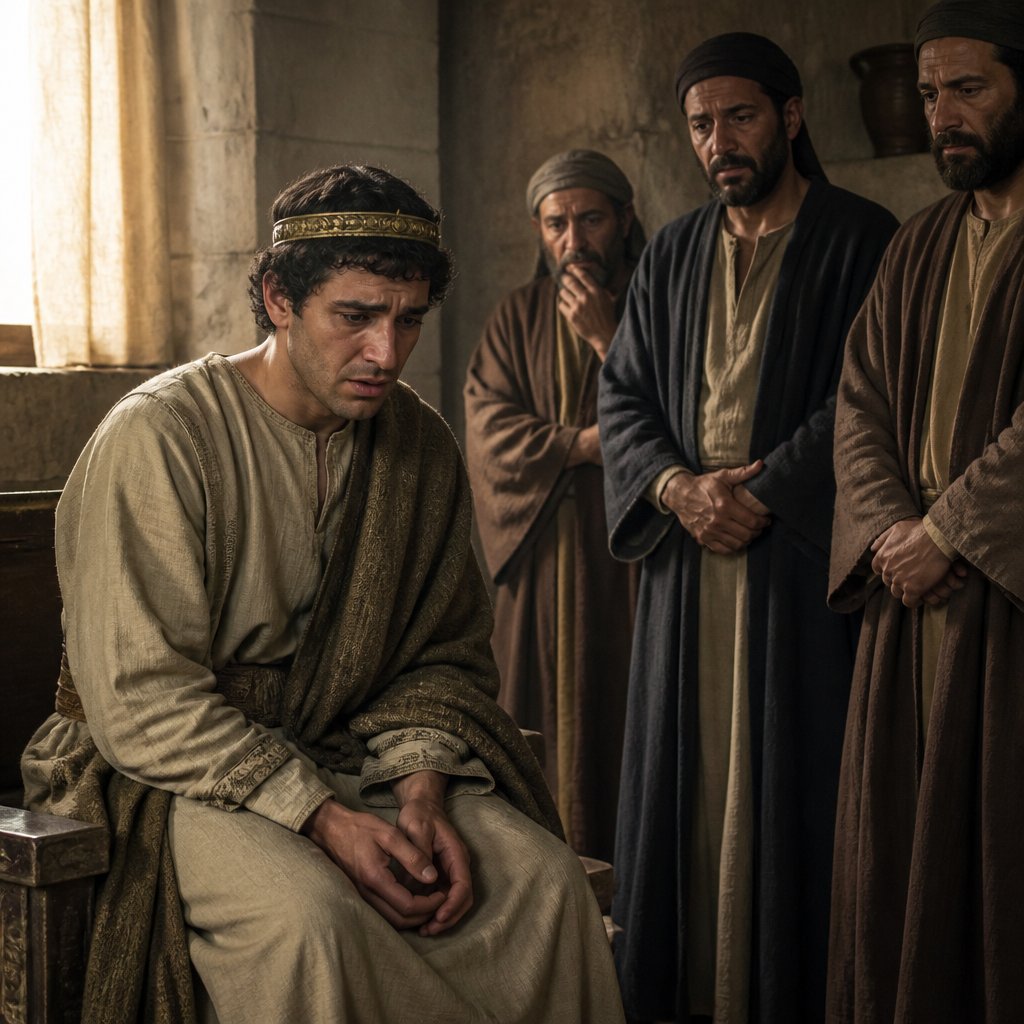
The verse 2 Samuel 4:1 from the King James Version (KJV) reads, "And when Saul's son heard that Abner was dead in Hebron, his hands were feeble, and all the Israelites were troubled."
This verse comes in the context of the political and military turmoil in ancient Israel. After the death of King Saul, his son Ishbosheth was made the king of Israel, while David was anointed as the king of Judah. The Israelites were divided, and there was constant struggle for power and control. During this time, Abner, the commander-in-chief of Saul's army, was in a power struggle with Ishbosheth. Abner had been Saul's most powerful and influential general. However, in a dispute with Ishbosheth, Abner decided to join forces with David and help him unite the kingdom of Israel.
The verse 2 Samuel 4:1 is a pivotal moment in the story of ancient Israel. It marks the occasion of Abner's death, which would have significant political and military implications for both David and Ishbosheth. The news of Abner's death would have a palpable impact on the people of Israel. The verse describes how the people were troubled by Abner's death, indicating the widespread impact of his passing.
The verse also mentions the reaction of Ishbosheth, Saul's son, upon hearing about Abner's death. It says that his hands were feeble, which is a metaphorical expression for weakness or powerlessness. This reaction reflects the vulnerability and uncertainty that Ishbosheth must have felt in the wake of Abner's death. With Abner's support, Ishbosheth's hold on power would have been strengthened, and his death would have left Ishbosheth exposed and vulnerable.
In this verse, Abner's death is more than just a military and political event. It is a symbolic reflection of the shifting power dynamics and the fragility of human power. Abner’s death represents the fragility of human life, and the transient nature of power and influence. It serves as a reminder of the impermanence of human strength and the futility of relying on human prowess alone.
From a thematic perspective, this verse touches on the themes of power, politics, and the unpredictability of life. The verse highlights the struggle for power and the consequences of political maneuvering. It portrays the effect of a significant event on the characters involved and underscores the broader implications of their actions. Furthermore, it explores the vulnerability and fragility of human existence, and the limitations of human agency in the face of larger forces at play.
Symbolically, Abner's death can be seen as a turning point in the narrative of ancient Israel. It marks a shift in power and sets the stage for David's eventual ascent to the throne. It also serves as a cautionary tale about the transience of power and the importance of humility and reliance on God.
In conclusion, 2 Samuel 4:1 from the King James Version of the Bible captures a pivotal moment in the narrative of ancient Israel. It encapsulates the complex themes of power, politics, and the fragility of human existence, while also symbolizing the shifting power dynamics and the unpredictability of life. By delving into the context, symbolism, and themes of this verse, we gain a deeper understanding of its significance within the broader biblical narrative and its enduring relevance to the human experience.
Have questions about 2 Samuel 4:1?
Dive deeper into this scripture with Bible Chat — an AI-powered tool for exploring God's Word through conversation. Ask questions, get context, and grow in your understanding of the Bible.
Get Our Apps


2 Samuel 4:1 Artwork

2 Samuel 4:1 - "And when Saul's son heard that Abner was dead in Hebron, his hands were feeble, and all the Israelites were troubled."
"And when Saul's son heard that Abner was dead in Hebron, his hands were feeble, and all the Israelites were troubled." - 2 Samuel 4:1

1 samuel 4:1

1 Samuel 2:4 - "The bows of the mighty men are broken, and they that stumbled are girded with strength."

2 Samuel 1:2-4 David is shocked the man is scared image in color

2 Samuel 1:2-4 David is shocked the man is scared image in color

2 Samuel 1:2-4 David is shocked the man is scared image in color less details

"The bows of the mighty men are broken, and they that stumbled are girded with strength." - 1 Samuel 2:4

1 Samuel 4:12

2 Samuel 10:4

2 Samuel 10:4

1 Samuel 3:4 - "That the LORD called Samuel: and he answered, Here am I."

1 Samuel 4:2 - "And the Philistines put themselves in array against Israel: and when they joined battle, Israel was smitten before the Philistines: and they slew of the army in the field about four thousand men."

1 Samuel 4:1 - "And the word of Samuel came to all Israel. Now Israel went out against the Philistines to battle, and pitched beside Eben-ezer: and the Philistines pitched in Aphek."

1 Samuel 8:4 - "Then all the elders of Israel gathered themselves together, and came to Samuel unto Ramah,"

2 Samuel 4:3 - "And the Beerothites fled to Gittaim, and were sojourners there until this day.)"

1 Samuel 5: 3-4

2 Samuel 17:4 - "And the saying pleased Absalom well, and all the elders of Israel."

2 Samuel 3:4 - "And the fourth, Adonijah the son of Haggith; and the fifth, Shephatiah the son of Abital;"

1 Samuel 2:26 - "And the child Samuel grew on, and was in favour both with the LORD, and also with men."
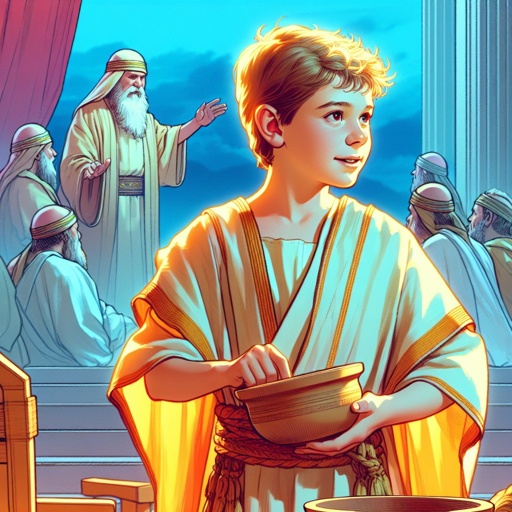
1 Samuel 2:18 - "¶ But Samuel ministered before the LORD, being a child, girded with a linen ephod."
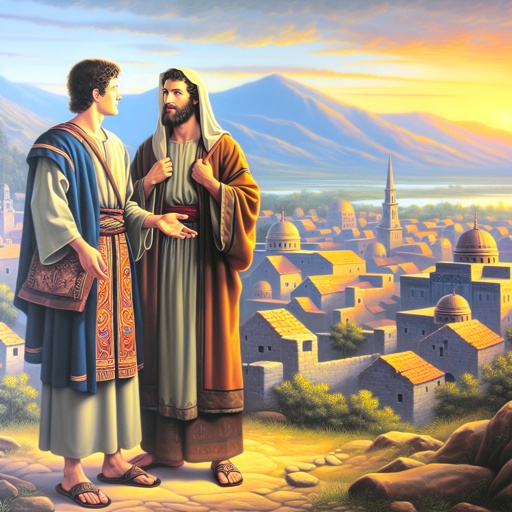
1 Samuel 9:1-2

2 Samuel 7:4 - "¶ And it came to pass that night, that the word of the LORD came unto Nathan, saying,"

1 Samuel 16:4 - "And Samuel did that which the LORD spake, and came to Beth-lehem. And the elders of the town trembled at his coming, and said, Comest thou peaceably?"

2 Samuel 1:4 - "And David said unto him, How went the matter? I pray thee, tell me. And he answered, That the people are fled from the battle, and many of the people also are fallen and dead; and Saul and Jonathan his son are dead also."

1 Samuel 25:4 - "¶ And David heard in the wilderness that Nabal did shear his sheep."

1 Samuel 26:4 - "David therefore sent out spies, and understood that Saul was come in very deed."

1 Samuel 27:4 - "And it was told Saul that David was fled to Gath: and he sought no more again for him."

2 Samuel 7:1–29

2 Samuel 2:4 - "And the men of Judah came, and there they anointed David king over the house of Judah. And they told David, saying, That the men of Jabesh-gilead were they that buried Saul."