What does 2 Samuel 2:32 mean?
"¶ And they took up Asahel, and buried him in the sepulchre of his father, which was in Beth-lehem. And Joab and his men went all night, and they came to Hebron at break of day." - 2 Samuel 2:32
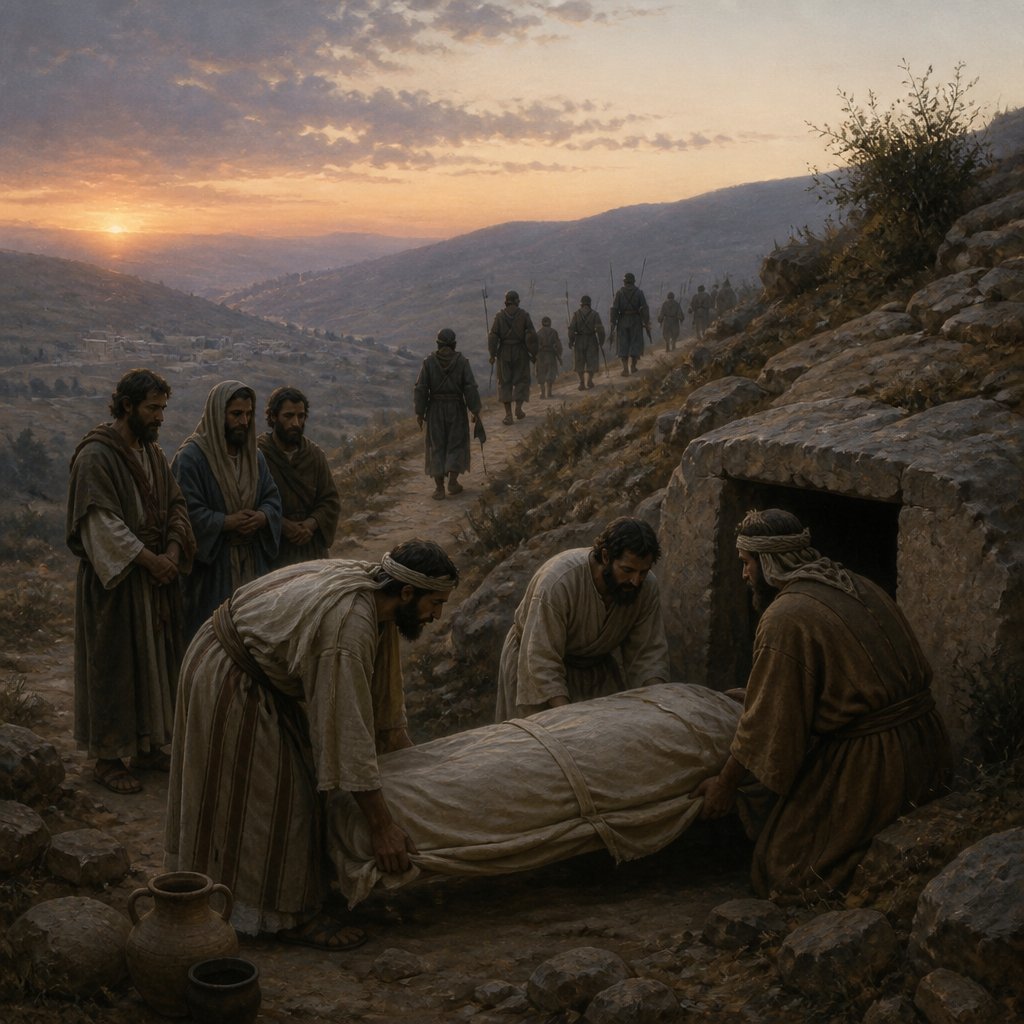
2 Samuel 2:32 (KJV) - "And they took up Asahel, and buried him in the sepulchre of his father, which was in Bethlehem. And Joab and his men went all night, and they came to Hebron at break of day."
This verse comes from the book of 2 Samuel, which is part of the historical books of the Old Testament. This particular verse is part of a larger passage that details the aftermath of a battle between the forces of David and those of Saul's son, Ishbosheth. Asahel, the focus of this verse, was the younger brother of Joab, who was one of David's most trusted military commanders. Asahel was known for his speed and agility on the battlefield, and he was pursuing Abner, the commander of Ishbosheth's army, when he was killed.
The verse itself is a brief and poignant statement of the moment after Asahel's death. It describes how Asahel's body was buried in the sepulcher of his father, in Bethlehem. It also mentions how Joab and his men traveled all night and arrived at Hebron at daybreak. This verse serves as a reflection on the cost of war and the personal sacrifices made by individuals caught up in the conflicts of larger powers.
One of the central themes of this verse is the idea of honor and remembrance. Despite the chaotic and violent nature of the times, there is still a respect for the dead and a desire to ensure that they are laid to rest properly. The fact that Asahel is buried in the sepulcher of his father shows the importance of familial ties and ancestral heritage. The act of burying the fallen soldier in a place of importance also conveys a sense of honor and respect for his bravery and sacrifice on the battlefield.
Furthermore, the verse also highlights the physical and emotional toll of conflict. The mention of Joab and his men traveling all night after the battle conveys a sense of exhaustion and weariness. It speaks to the grueling nature of warfare and the determination of these men to continue despite the hardships they face. This serves as a reminder of the human cost of war and the toll it takes on those who are involved in it.
Symbolically, this verse can also be interpreted as a representation of the cycle of life and death. The mention of Asahel being buried in the sepulcher of his father in Bethlehem can be seen as a reminder of the inevitable passage of time and the continuity of generations. It also serves as a poignant reminder of the fragility of human life and the fleeting nature of existence.
In a broader context, this verse can be seen as a reflection on the personal sacrifices made in the pursuit of power and control. The larger narrative of 2 Samuel revolves around the struggle for the throne of Israel between the house of David and the house of Saul. In this context, the death of Asahel and his subsequent burial can be seen as a microcosm of the larger conflicts playing out on a national scale. It serves as a reminder of the human cost of these power struggles and the personal tragedies that result from them.
In conclusion, 2 Samuel 2:32 is a verse that encapsulates themes of honor, sacrifice, and the human cost of war. It serves as a reflection on the personal sacrifices made in the pursuit of power and control, as well as a poignant reminder of the human toll of conflict. It also carries symbolic weight, representing the cycle of life and the continuity of generations. Overall, this verse serves as a powerful and evocative portrayal of the personal tragedies that result from larger conflicts.
Have questions about 2 Samuel 2:32?
Dive deeper into this scripture with Bible Chat — an AI-powered tool for exploring God's Word through conversation. Ask questions, get context, and grow in your understanding of the Bible.
Get Our Apps


2 Samuel 2:32 Artwork

2 Samuel 2:32 - "¶ And they took up Asahel, and buried him in the sepulchre of his father, which was in Beth-lehem. And Joab and his men went all night, and they came to Hebron at break of day."
"¶ And they took up Asahel, and buried him in the sepulchre of his father, which was in Beth-lehem. And Joab and his men went all night, and they came to Hebron at break of day." - 2 Samuel 2:32

2 Samuel 23:32 - "Eliahba the Shaalbonite, of the sons of Jashen, Jonathan,"

2 Samuel 22:32 - "For who is God, save the LORD? and who is a rock, save our God?"

"Eliahba the Shaalbonite, of the sons of Jashen, Jonathan," - 2 Samuel 23:32

2 Samuel 3:32 - "And they buried Abner in Hebron: and the king lifted up his voice, and wept at the grave of Abner; and all the people wept."

1 Samuel 2:32 - "And thou shalt see an enemy in my habitation, in all the wealth which God shall give Israel: and there shall not be an old man in thine house for ever."
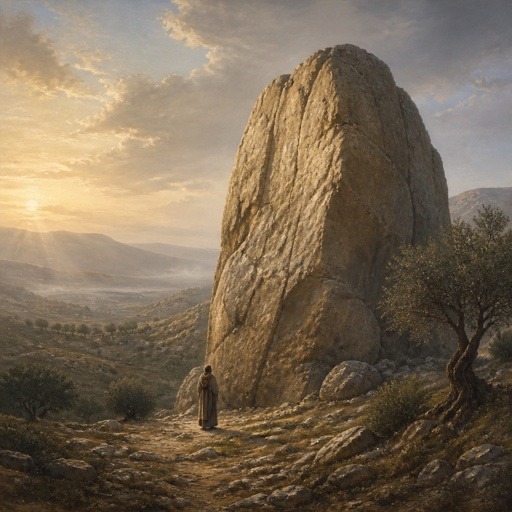
"For who is God, save the LORD? and who is a rock, save our God?" - 2 Samuel 22:32

2 Samuel 19:32 - "Now Barzillai was a very aged man, even fourscore years old: and he had provided the king of sustenance while he lay at Mahanaim; for he was a very great man."
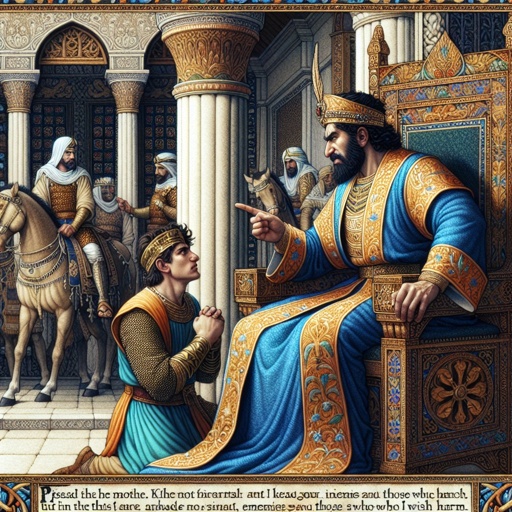
2 Samuel 18:32 - "And the king said unto Cushi, Is the young man Absalom safe? And Cushi answered, The enemies of my lord the king, and all that rise against thee to do thee hurt, be as that young man is."

2 Samuel 15:32 - "¶ And it came to pass, that when David was come to the top of the mount, where he worshipped God, behold, Hushai the Archite came to meet him with his coat rent, and earth upon his head:"

Dan 2:32

2 Chronicles 32:2 - "And when Hezekiah saw that Sennacherib was come, and that he was purposed to fight against Jerusalem,"

Gen 32:1-2
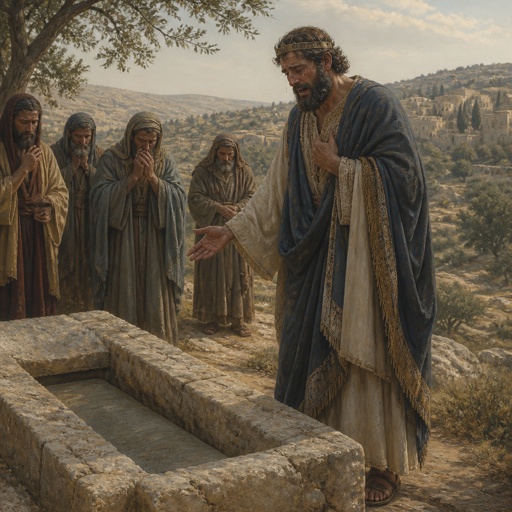
"And they buried Abner in Hebron: and the king lifted up his voice, and wept at the grave of Abner; and all the people wept." - 2 Samuel 3:32
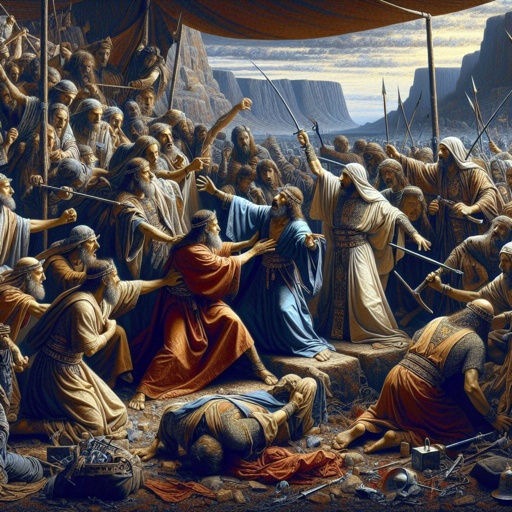
2 Samuel 13:32 - "And Jonadab, the son of Shimeah David's brother, answered and said, Let not my lord suppose that they have slain all the young men the king's sons; for Amnon only is dead: for by the appointment of Absalom this hath been determined from the day that he forced his sister Tamar."

Ezra 2:32 - "The children of Harim, three hundred and twenty."

2 Samuel 12:2 - "The rich man had exceeding many flocks and herds:"

Luke 2:32 - "A light to lighten the Gentiles, and the glory of thy people Israel."

2 Chronicles 32:32 - "Now the rest of the acts of Hezekiah, and his goodness, behold, they are written in the vision of Isaiah the prophet, the son of Amoz, and in the book of the kings of Judah and Israel."

2 Samuel 23:2 - "The Spirit of the LORD spake by me, and his word was in my tongue."

2 Samuel 2:2 - "So David went up thither, and his two wives also, Ahinoam the Jezreelitess, and Abigail Nabal's wife the Carmelite."

2 Samuel 22:2 - "And he said, The LORD is my rock, and my fortress, and my deliverer;"

1 Samuel 2:26 - "And the child Samuel grew on, and was in favour both with the LORD, and also with men."

2 Samuel 11

Acts 2:32 - "This Jesus hath God raised up, whereof we all are witnesses."

2 samuel 11
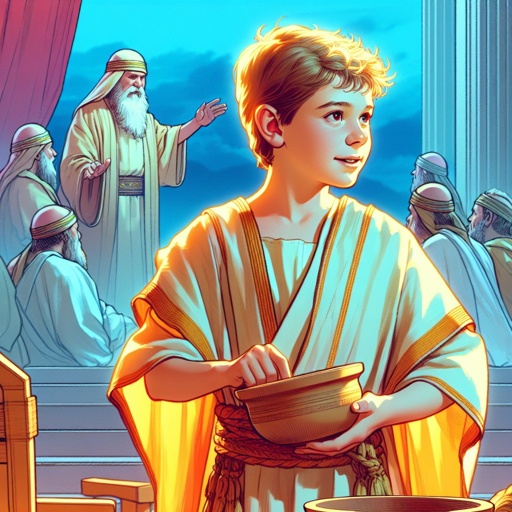
1 Samuel 2:18 - "¶ But Samuel ministered before the LORD, being a child, girded with a linen ephod."

2 Samuel 2:17 - "And there was a very sore battle that day; and Abner was beaten, and the men of Israel, before the servants of David."

2 Samuel 2:11 - "And the time that David was king in Hebron over the house of Judah was seven years and six months."