What does 2 Samuel 24:7 mean?
"And came to the strong hold of Tyre, and to all the cities of the Hivites, and of the Canaanites: and they went out to the south of Judah, even to Beer-sheba." - 2 Samuel 24:7
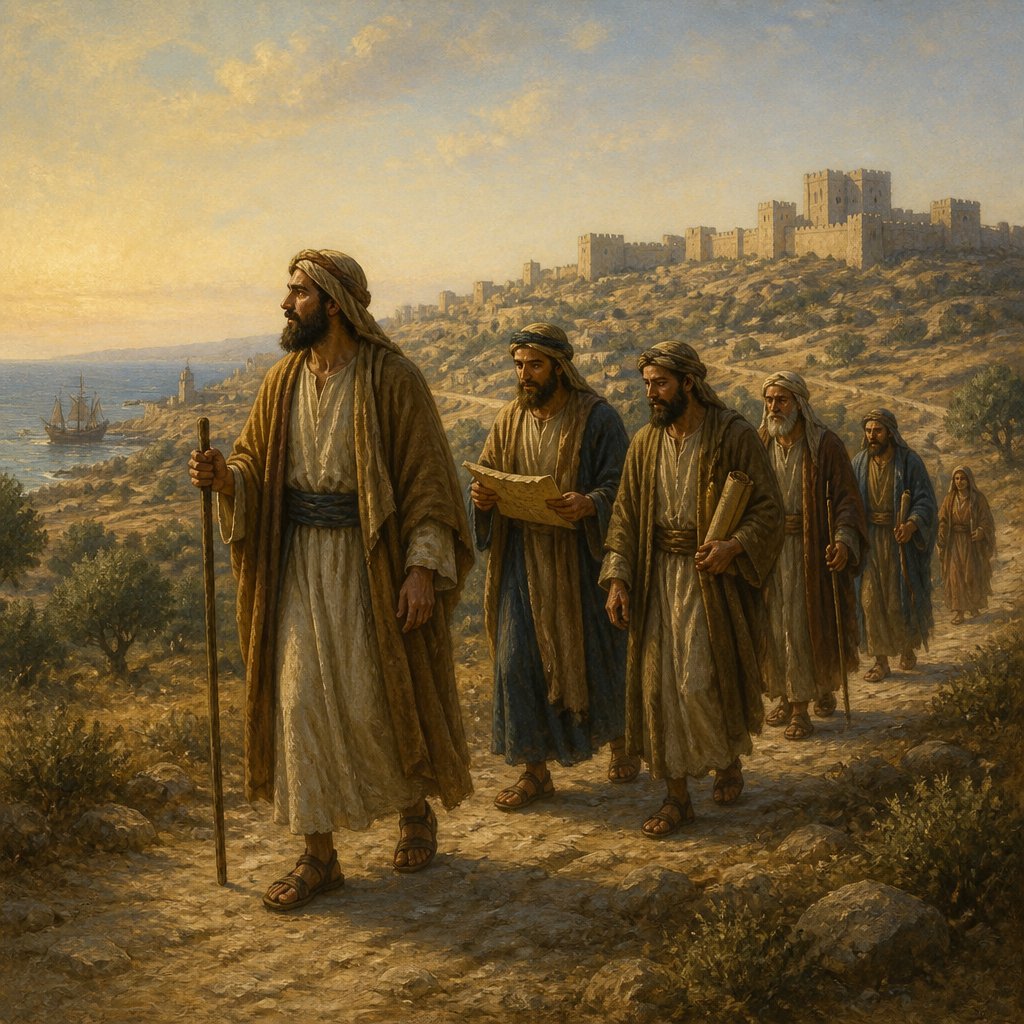
The Bible verse 2 Samuel 24:7 from the King James Version reads: "And came to the strong hold of Tyre, and to all the cities of the Hivites, and of the Canaanites: and they went out to the south of Judah, even to Beersheba."
To understand the full meaning and context of this verse, it is important to look at the surrounding verses and the historical background of the time. The book of 2 Samuel primarily focuses on the life and reign of King David, who was one of the most significant figures in the history of Israel. The verse in question is part of a larger narrative in which David conducts a census of the people of Israel, which ultimately results in divine punishment.
In the preceding verses, we see that David's action of conducting a census is met with disapproval from the Lord. In 2 Samuel 24:1, it is stated, "And again the anger of the Lord was kindled against Israel, and he moved David against them to say, Go, number Israel and Judah." This verse indicates that the Lord was displeased with David's decision to conduct a census, seeing it as an act of pride and self-reliance rather than trust in God. As a result, God allows David to proceed with the census, but it ultimately leads to a plague that devastates the land.
In the context of 2 Samuel 24:7, David and his army are traveling throughout the land, visiting various strongholds and cities of the Hivites and Canaanites. This journey is likely a military campaign or an effort to assert control over these territories. Tyre, a stronghold, was a prominent city in ancient times, known for its maritime trade and strategic location. The Hivites and Canaanites were tribes that inhabited the land of Canaan, which was promised to the Israelites by God.
The journey to the south of Judah, even to Beersheba, signifies a comprehensive and far-reaching expedition. Beersheba holds significance in biblical history as a place of various important events, including Abraham's settlement and covenant with Abimelech (Genesis 21). It is also the southernmost city in the territory of Judah, marking the extent of the kingdom's domain.
Symbolically, this verse conveys the idea of David's dominion and authority over the land as the king of Israel. It reflects the geopolitical landscape of the time, with military campaigns being conducted to secure territory and establish control. Additionally, it underscores the historical and cultural context of ancient Israel, where strongholds, cities, and territories held strategic and symbolic importance.
The broader themes present in 2 Samuel 24:7 include leadership, obedience to God, and the consequences of pride and self-reliance. David's decision to conduct the census without seeking guidance from God ultimately leads to a devastating plague, impacting the lives of the people he was meant to lead. It serves as a cautionary tale about the dangers of hubris and the importance of humility and dependence on God.
In conclusion, 2 Samuel 24:7 provides a glimpse into the historical, political, and theological aspects of ancient Israel. It highlights the consequences of David's actions, the extent of his kingdom, and the broader themes of leadership and obedience to God. By delving into the context and symbolism of this verse, we gain a deeper understanding of its significance within the larger narrative of the Bible.
Have questions about 2 Samuel 24:7?
Dive deeper into this scripture with Bible Chat — an AI-powered tool for exploring God's Word through conversation. Ask questions, get context, and grow in your understanding of the Bible.
Get Our Apps


2 Samuel 24:7 Artwork

2 Samuel 24:7 - "And came to the strong hold of Tyre, and to all the cities of the Hivites, and of the Canaanites: and they went out to the south of Judah, even to Beer-sheba."
"And came to the strong hold of Tyre, and to all the cities of the Hivites, and of the Canaanites: and they went out to the south of Judah, even to Beer-sheba." - 2 Samuel 24:7

2 Samuel 7:24 - "For thou hast confirmed to thyself thy people Israel to be a people unto thee for ever: and thou, LORD, art become their God."

2 Samuel 24:22

2 Samuel 24:22

2 Samuel 24:22

2 Samuel 19:24

2 Samuel 20:24 - "And Adoram was over the tribute: and Jehoshaphat the son of Ahilud was recorder:"

2 Samuel 24:19 - "And David, according to the saying of Gad, went up as the LORD commanded."

2 Samuel 24:6 - "Then they came to Gilead, and to the land of Tahtim-hodshi; and they came to Dan-jaan, and about to Zidon,"

2 Samuel 23:24 - "Asahel the brother of Joab was one of the thirty; Elhanan the son of Dodo of Beth-lehem,"

1 Samuel 24:7 - "So David stayed his servants with these words, and suffered them not to rise against Saul. But Saul rose up out of the cave, and went on his way."

2 Samuel 7:1–29

2 samuel 9:7 fhdhdhdhhd

2 Samuel 22:24 - "I was also upright before him, and have kept myself from mine iniquity."

2 Samuel 17:24 - "Then David came to Mahanaim. And Absalom passed over Jordan, he and all the men of Israel with him."
"For thou hast confirmed to thyself thy people Israel to be a people unto thee for ever: and thou, LORD, art become their God." - 2 Samuel 7:24

1 Samuel 2:24 - "Nay, my sons; for it is no good report that I hear: ye make the LORD'S people to transgress."

2 Samuel 24:11 - "For when David was up in the morning, the word of the LORD came unto the prophet Gad, David's seer, saying,"

2 Samuel 24:5 - "¶ And they passed over Jordan, and pitched in Aroer, on the right side of the city that lieth in the midst of the river of Gad, and toward Jazer:"

2 Samuel 24:8 - "So when they had gone through all the land, they came to Jerusalem at the end of nine months and twenty days."

2 Samuel 5:7 - "Nevertheless David took the strong hold of Zion: the same is the city of David."

2 Samuel 2:24 - "Joab also and Abishai pursued after Abner: and the sun went down when they were come to the hill of Ammah, that lieth before Giah by the way of the wilderness of Gibeon."

2 Samuel 7:4 - "¶ And it came to pass that night, that the word of the LORD came unto Nathan, saying,"

2 Samuel 24:18 - "And Gad came that day to David, and said unto him, Go up, rear an altar unto the LORD in the threshingfloor of Araunah the Jebusite."

2 Samuel 24:1 - "And again the anger of the LORD was kindled against Israel, and he moved David against them to say, Go, number Israel and Judah."

2 Samuel 10:7 - "And when David heard of it, he sent Joab, and all the host of the mighty men."

1 Samuel 2:7 - "The LORD maketh poor, and maketh rich: he bringeth low, and lifteth up."

2 Samuel 8:7 - "And David took the shields of gold that were on the servants of Hadadezer, and brought them to Jerusalem."

2 Samuel 17:7 - "And Hushai said unto Absalom, The counsel that Ahithophel hath given is not good at this time."