What does 2 Samuel 1:9 mean?
"He said unto me again, Stand, I pray thee, upon me, and slay me: for anguish is come upon me, because my life is yet whole in me." - 2 Samuel 1:9

The Bible verse 2 Samuel 1:9 from the King James Version (KJV) states: "He said unto me again, Stand, I pray thee, upon me, and slay me: for anguish is come upon me, because my life is yet whole in me."
To fully understand the meaning and significance of this verse, it is essential to delve into the context and background of the passage. This verse is part of the larger narrative of the Book of 2 Samuel, which chronicles the reign of King David and the events that took place during his rule. In the verses leading up to 2 Samuel 1:9, we learn that the speaker is an Amalekite who claims to have been present at the battle where King Saul and his son Jonathan were killed. The Amalekite recounts to David how he came across the mortally wounded Saul, who begged the Amalekite to end his suffering by killing him. The Amalekite claims to have complied with Saul's request, and he presents Saul's crown and bracelet to David as proof of his account.
The verse in question, "He said unto me again, Stand, I pray thee, upon me, and slay me: for anguish is come upon me, because my life is yet whole in me," reflects the Amalekite's retelling of Saul's final moments. This recounting of the events reveals the anguish and despair that Saul experienced as he faced imminent death.
One of the key themes that can be extrapolated from 2 Samuel 1:9 is the nature of mercy and compassion in the face of suffering. Despite the fact that Saul and David were political rivals and Saul had previously sought David's life, this verse demonstrates Saul's vulnerability and his plea for a merciful end to his suffering. It serves as a poignant reminder of the common humanity that transcends political and personal conflicts, and highlights the universal desire for compassion and understanding in times of distress.
Additionally, this verse underscores the weight of responsibility and the moral dilemmas that arise in the midst of war and conflict. The Amalekite's account of assisting in Saul's death raises questions about his motivations and actions. The ethical implications of his decision to fulfill Saul's request for a merciful end are complex and call for reflection on the moral obligations that individuals face in times of crisis.
Symbolically, 2 Samuel 1:9 can be interpreted as a representation of the frailty and impermanence of human existence. Saul, who was once a powerful and respected king, is reduced to a state of helplessness and agony as he faces his mortality. This portrayal of human vulnerability serves as a sobering reminder of the transient nature of life and the universal experience of suffering that all individuals encounter.
In conclusion, 2 Samuel 1:9 from the King James Version holds profound significance within the larger narrative of the Bible. Through its portrayal of Saul's final moments and his plea for mercy, this verse delves into themes of mercy, compassion, moral responsibility, and the universal experience of human suffering. It serves as a profound meditation on the intricacies of human nature and the complexities of moral decision-making in the face of adversity.
Have questions about 2 Samuel 1:9?
Dive deeper into this scripture with Bible Chat — an AI-powered tool for exploring God's Word through conversation. Ask questions, get context, and grow in your understanding of the Bible.
Get Our Apps


2 Samuel 1:9 Artwork

2 Samuel 1:9 - "He said unto me again, Stand, I pray thee, upon me, and slay me: for anguish is come upon me, because my life is yet whole in me."

"He said unto me again, Stand, I pray thee, upon me, and slay me: for anguish is come upon me, because my life is yet whole in me." - 2 Samuel 1:9
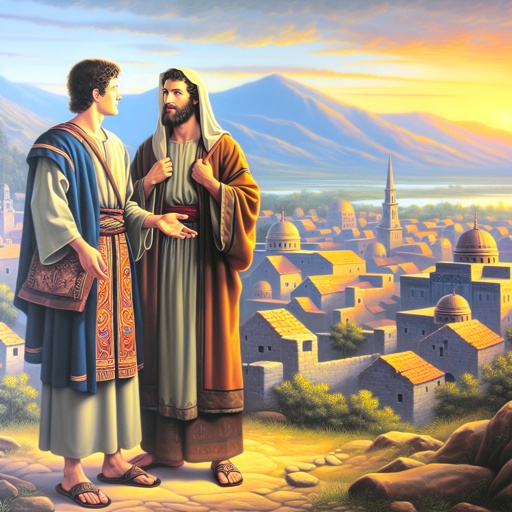
1 Samuel 9:1-2

2 samuel 9:7 fhdhdhdhhd

2 Samuel 9:1 - "And David said, Is there yet any that is left of the house of Saul, that I may shew him kindness for Jonathan's sake?"

1 Samuel 2:9 - "He will keep the feet of his saints, and the wicked shall be silent in darkness; for by strength shall no man prevail."

2 Samuel 1. 17-27

2 Samuel 11:9

1 Samuel 9:15 - "¶ Now the LORD had told Samuel in his ear a day before Saul came, saying,"

1 Samuel 9:25 - "¶ And when they were come down from the high place into the city, Samuel communed with Saul upon the top of the house."

1 Samuel 9:18 - "Then Saul drew near to Samuel in the gate, and said, Tell me, I pray thee, where the seer's house is."

1 Samuel 18:9 - "And Saul eyed David from that day and forward."

1 Samuel 7:9 - "¶ And Samuel took a sucking lamb, and offered it for a burnt offering wholly unto the LORD: and Samuel cried unto the LORD for Israel; and the LORD heard him."
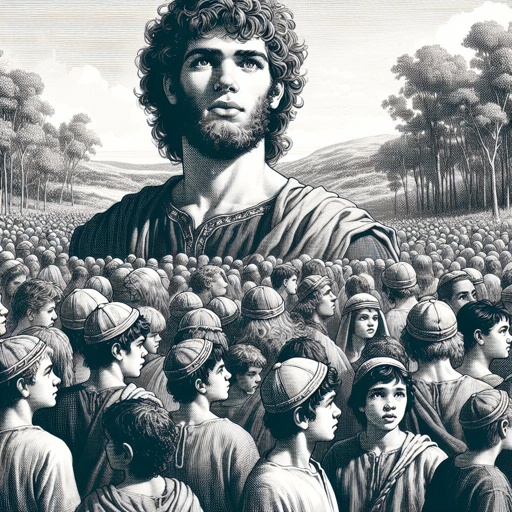
1 Samuel 9:2 - "And he had a son, whose name was Saul, a choice young man, and a goodly: and there was not among the children of Israel a goodlier person than he: from his shoulders and upward he was higher than any of the people."

2 Samuel 1:27 - "How are the mighty fallen, and the weapons of war perished!"

1 Samuel 9:17 - "And when Samuel saw Saul, the LORD said unto him, Behold the man whom I spake to thee of! this same shall reign over my people."

1 Samuel 9:14 - "And they went up into the city: and when they were come into the city, behold, Samuel came out against them, for to go up to the high place."

1 Samuel 9:23 - "And Samuel said unto the cook, Bring the portion which I gave thee, of which I said unto thee, Set it by thee."

2 Samuel 1:17 - "¶ And David lamented with this lamentation over Saul and over Jonathan his son:"

2 Samuel 2:9 - "And made him king over Gilead, and over the Ashurites, and over Jezreel, and over Ephraim, and over Benjamin, and over all Israel."

1 Samuel 2:26 - "And the child Samuel grew on, and was in favour both with the LORD, and also with men."

2 Samuel 8:9 - "¶ When Toi king of Hamath heard that David had smitten all the host of Hadadezer,"
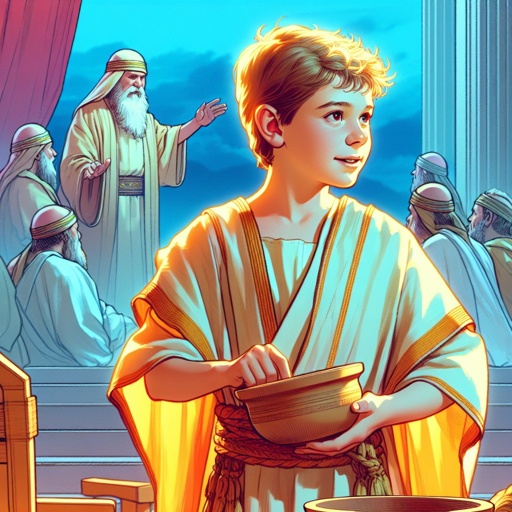
1 Samuel 2:18 - "¶ But Samuel ministered before the LORD, being a child, girded with a linen ephod."

1 Samuel 1:9 - "¶ So Hannah rose up after they had eaten in Shiloh, and after they had drunk. Now Eli the priest sat upon a seat by a post of the temple of the LORD."

2 Samuel 9:9 - "¶ Then the king called to Ziba, Saul's servant, and said unto him, I have given unto thy master's son all that pertained to Saul and to all his house."

2 Samuel 6:9 - "And David was afraid of the LORD that day, and said, How shall the ark of the LORD come to me?"

2 Samuel 15:9 - "And the king said unto him, Go in peace. So he arose, and went to Hebron."

1 Samuel 9:26 - "And they arose early: and it came to pass about the spring of the day, that Samuel called Saul to the top of the house, saying, Up, that I may send thee away. And Saul arose, and they went out both of them, he and Samuel, abroad."

1 Samuel 16:9 - "Then Jesse made Shammah to pass by. And he said, Neither hath the LORD chosen this."

1 Samuel 9:22 - "And Samuel took Saul and his servant, and brought them into the parlour, and made them sit in the chiefest place among them that were bidden, which were about thirty persons."