What does 2 Samuel 19:22 mean?
"And David said, What have I to do with you, ye sons of Zeruiah, that ye should this day be adversaries unto me? shall there any man be put to death this day in Israel? for do not I know that I am this day king over Israel?" - 2 Samuel 19:22
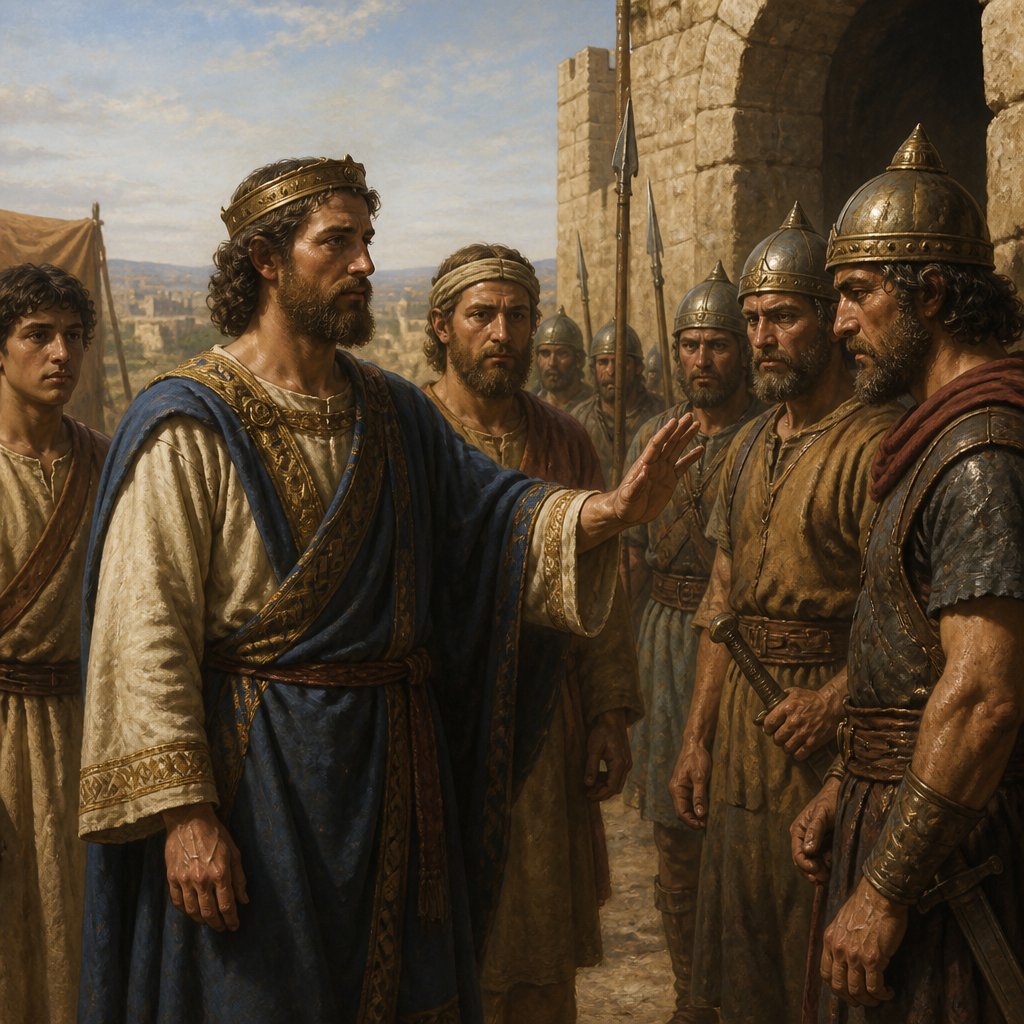
2 Samuel 19:22 (KJV) - "And David said, What have I to do with you, ye sons of Zeruiah, that ye should this day be adversaries unto me? shall there any man be put to death this day in Israel? for do not I know that I am this day king over Israel?"
This verse is a part of a larger narrative in the Old Testament that tells the story of King David and his reign over Israel. In this specific verse, David is addressing the sons of Zeruiah, who are his nephews and part of his inner circle. The context of this verse is important to understand the meaning and commentary behind it.
King David had just experienced a great victory over Absalom, his rebellious son, who had attempted to overthrow him and take the throne. Despite the victory, David's heart was heavy with grief over the death of his son, and he was struggling to find a balance between justice and mercy. This verse captures the conflict within David as he navigates his role as king and as a father.
The statement, "What have I to do with you, ye sons of Zeruiah, that ye should this day be adversaries unto me?" reveals David's frustration with his nephews. He is questioning their loyalty and their actions, as they were advocating for a harsh punishment for those who had supported Absalom in the rebellion. David's heart was filled with compassion, and he did not want any more bloodshed on the day of his victory. He knew that as the newly reinstated king, it was his responsibility to bring about peace and reconciliation, rather than further division and strife.
The verse continues with David asserting his authority as the king, stating, "for do not I know that I am this day king over Israel?" This proclamation serves as a reminder to both himself and his nephews that he is the ultimate authority in the land. Despite their differing opinions, David's word was final, and he ultimately chose to pardon those who had sided with Absalom. This decision exemplifies the themes of mercy, forgiveness, and the weight of leadership that are prevalent throughout the Bible.
Symbolism can also be found in this verse, particularly in the interaction between David and the sons of Zeruiah. The nephews represent the more militant and judgmental side of David's reign, while David himself symbolizes the compassionate and merciful aspect of leadership. This tension between justice and mercy is a recurring theme in the Bible, as it reflects the delicate balance between holding people accountable for their actions and extending grace and forgiveness.
Overall, 2 Samuel 19:22 offers a powerful insight into the inner turmoil of King David and the complexities of leadership. It serves as a reminder of the challenges that come with wielding authority and the importance of leading with humility, compassion, and a sense of justice. The verse also highlights the themes of loyalty, reconciliation, and the moral responsibility of those in positions of power. Through its rich context and symbolic significance, this verse continues to resonate as a timeless lesson in the principles of leadership and the human struggle to navigate the complexities of justice and mercy.
Have questions about 2 Samuel 19:22?
Dive deeper into this scripture with Bible Chat — an AI-powered tool for exploring God's Word through conversation. Ask questions, get context, and grow in your understanding of the Bible.
Get Our Apps


2 Samuel 19:22 Artwork
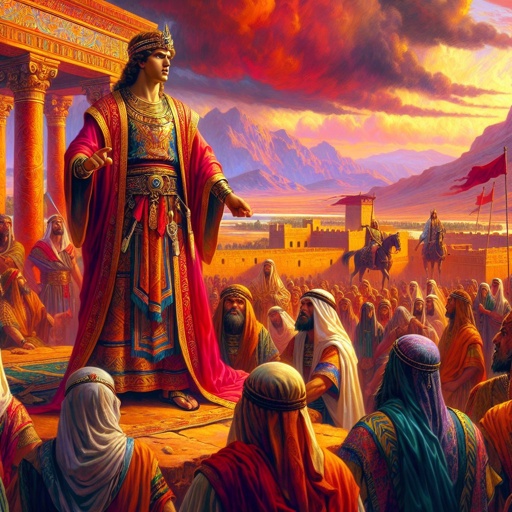
2 Samuel 19:22 - "And David said, What have I to do with you, ye sons of Zeruiah, that ye should this day be adversaries unto me? shall there any man be put to death this day in Israel? for do not I know that I am this day king over Israel?"
"And David said, What have I to do with you, ye sons of Zeruiah, that ye should this day be adversaries unto me? shall there any man be put to death this day in Israel? for do not I know that I am this day king over Israel?" - 2 Samuel 19:22

2 Samuel 22:19 - "They prevented me in the day of my calamity: but the LORD was my stay."
"They prevented me in the day of my calamity: but the LORD was my stay." - 2 Samuel 22:19

1 Samuel 19:22 - "Then went he also to Ramah, and came to a great well that is in Sechu: and he asked and said, Where are Samuel and David? And one said, Behold, they be at Naioth in Ramah."

2 Samuel 19:8

2 Samuel 24:22

2 Samuel 24:22

2 Samuel 24:22

2 Samuel 19:8

2 Samuel 19:8

2 Samuel 19:8

2 Samuel 19:24

2 Samuel 22:22 - "For I have kept the ways of the LORD, and have not wickedly departed from my God."

2 Samuel 22:17-20

2 Samuel 6:14–22

2 Samuel 22:2 - "And he said, The LORD is my rock, and my fortress, and my deliverer;"

1 Samuel 22:19 - "And Nob, the city of the priests, smote he with the edge of the sword, both men and women, children and sucklings, and oxen, and asses, and sheep, with the edge of the sword."

2 Samuel 19:1 - "And it was told Joab, Behold, the king weepeth and mourneth for Absalom."

2 Samuel 22:48 - "It is God that avengeth me, and that bringeth down the people under me,"

2 Samuel 22:13 - "Through the brightness before him were coals of fire kindled."

2 Samuel 24:19 - "And David, according to the saying of Gad, went up as the LORD commanded."

2 Samuel 22:46 - "Strangers shall fade away, and they shall be afraid out of their close places."

2 Samuel 22:42 - "They looked, but there was none to save; even unto the LORD, but he answered them not."

2 Samuel 22:33 - "God is my strength and power: and he maketh my way perfect."

2 Samuel 22:6 - "The sorrows of hell compassed me about; the snares of death prevented me;"

2 Samuel 22:15 - "And he sent out arrows, and scattered them; lightning, and discomfited them."

2 Samuel 5:22 - "¶ And the Philistines came up yet again, and spread themselves in the valley of Rephaim."

2 Samuel 22:32 - "For who is God, save the LORD? and who is a rock, save our God?"

2 Samuel 22:14 - "The LORD thundered from heaven, and the most High uttered his voice."