What does 2 Samuel 19:12 mean?
"Ye are my brethren, ye are my bones and my flesh: wherefore then are ye the last to bring back the king?" - 2 Samuel 19:12
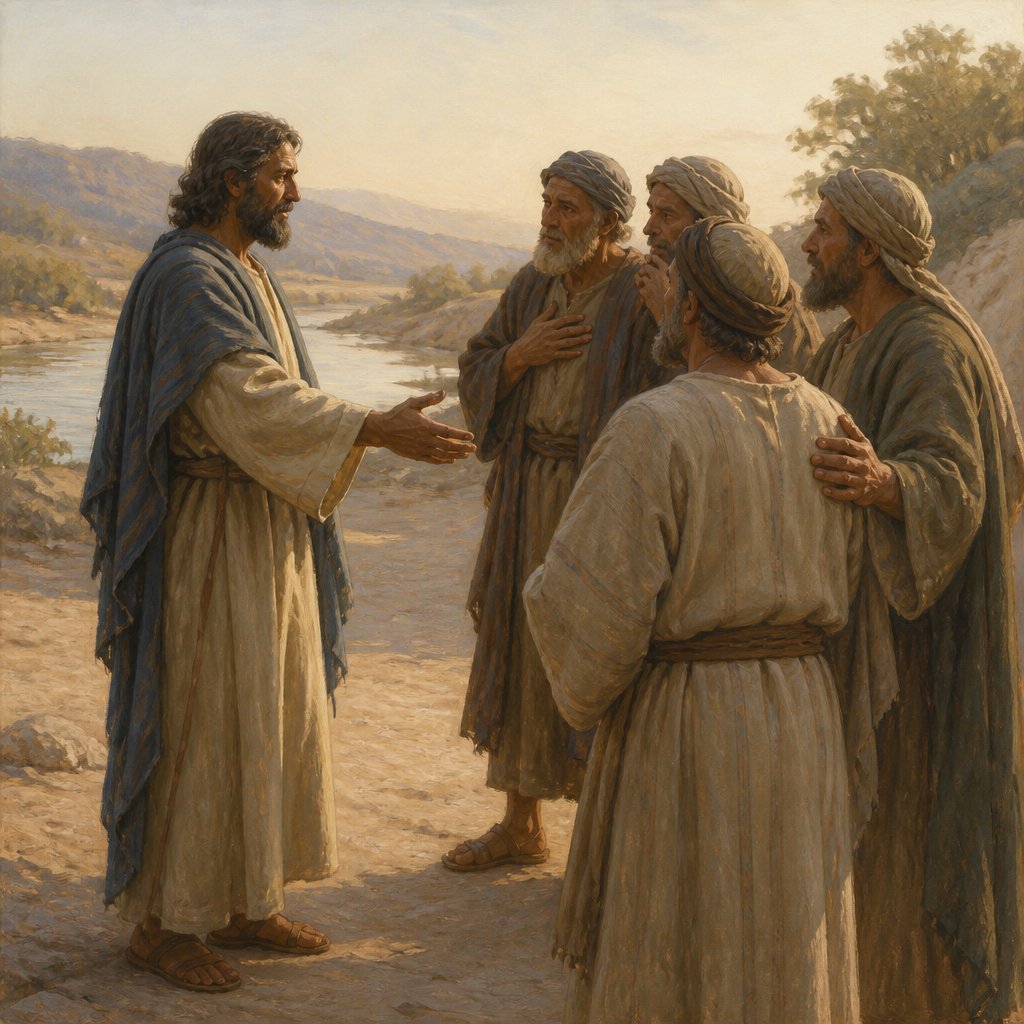
The verse 2 Samuel 19:12 from the King James Version (KJV) of the Bible reads as follows: "Ye are my brethren, ye are my bones and my flesh: wherefore then are ye the last to bring back the king?"
This verse is spoken by the newly restored King David to his people, as he questions why they are hesitant to bring him back to his rightful place as the ruler of Israel. To understand the full meaning and significance of this verse, it is important to examine the context in which it is spoken and the larger themes of the book of 2 Samuel.
The book of 2 Samuel is a historical narrative that details the reign of King David, who succeeded King Saul as the second king of the united kingdom of Israel. The verse in question comes from a pivotal moment in the narrative, after David's son Absalom has rebelled against him and attempted to seize the throne. The rebellion ultimately fails, and David is restored to his position as king. However, the process of David's return to power is fraught with tension and conflict, as various factions within Israel must reconcile with the king they had turned against. This verse captures the essence of this tension, as David confronts his people and demands to know why they are dragging their feet in bringing him back to his rightful place of authority.
The language used in the verse is evocative and profound, as David addresses his people as "my brethren" and emphasizes their shared humanity by declaring "ye are my bones and my flesh." This language serves to highlight the deep familial ties that exist between David and his people, and it underscores the betrayal and disloyalty that David feels in their reluctance to support him. By referring to them as his own flesh and blood, David is appealing to their sense of kinship and urging them to fulfill their duty to him as their king.
The themes present in this verse are numerous and significant. One of the central themes is that of loyalty and betrayal. Throughout the narrative of 2 Samuel, loyalty is a constant concern, as characters must navigate their allegiances and grapple with the consequences of their actions. David's question in this verse speaks to the deeply personal nature of betrayal, as he is directly confronting those who have turned against him. This theme of loyalty extends to the larger context of the biblical narrative, as the relationships between God and his people are frequently depicted in terms of loyalty and faithfulness.
Another important theme in this verse is that of leadership and authority. As the rightful king of Israel, David is asserting his authority and demanding the obedience and support of his subjects. This theme of leadership is central to the overarching narrative of 2 Samuel, as the various rulers and leaders must grapple with the responsibilities and challenges of their positions. By addressing his people in this verse, David is asserting his rightful place as their leader and calling them to fulfill their obligations to him.
Finally, the symbolism in this verse should not be overlooked. The imagery of "bones and flesh" serves as a powerful symbol of the intimate and intrinsic connection between David and his people. This symbolism underscores the depth of the betrayal that David feels, as it is not simply a matter of political or military opposition, but a breach of the fundamental bonds of kinship and community. Additionally, the use of this imagery reflects the broader biblical motif of familial relationships and the interconnectedness of all people.
In conclusion, 2 Samuel 19:12 from the KJV of the Bible is a verse that encapsulates the themes of loyalty, leadership, and kinship that are central to the narrative of the book. Through its evocative language and profound symbolism, this verse speaks to the complex dynamics of power and allegiance, and it invites readers to consider the profound responsibilities and challenges of leadership and authority.
Have questions about 2 Samuel 19:12?
Dive deeper into this scripture with Bible Chat — an AI-powered tool for exploring God's Word through conversation. Ask questions, get context, and grow in your understanding of the Bible.
Get Our Apps


2 Samuel 19:12 Artwork

2 Samuel 19:12 - "Ye are my brethren, ye are my bones and my flesh: wherefore then are ye the last to bring back the king?"
"Ye are my brethren, ye are my bones and my flesh: wherefore then are ye the last to bring back the king?" - 2 Samuel 19:12
2 Samuel 12:19 - "But when David saw that his servants whispered, David perceived that the child was dead: therefore David said unto his servants, Is the child dead? And they said, He is dead."

2 Samuel 19:8

1 Samuel 19:12 - "¶ So Michal let David down through a window: and he went, and fled, and escaped."

2 Samuel 19:8

2 Samuel 19:8

2 Samuel 19:8

2 Samuel 19:24

2 Samuel 5:12

1 Samuel 2:12

2 Samuel 12:2 - "The rich man had exceeding many flocks and herds:"

2 Samuel 19:1 - "And it was told Joab, Behold, the king weepeth and mourneth for Absalom."

2 Samuel 12:12 - "For thou didst it secretly: but I will do this thing before all Israel, and before the sun."

1 Samuel 12:19 - "And all the people said unto Samuel, Pray for thy servants unto the LORD thy God, that we die not: for we have added unto all our sins this evil, to ask us a king."

2 Samuel 22:19 - "They prevented me in the day of my calamity: but the LORD was my stay."

2 Samuel 24:19 - "And David, according to the saying of Gad, went up as the LORD commanded."

2 Samuel 2:19 - "And Asahel pursued after Abner; and in going he turned not to the right hand nor to the left from following Abner."

2 Samuel 2:12 - "¶ And Abner the son of Ner, and the servants of Ish-bosheth the son of Saul, went out from Mahanaim to Gibeon."

2 Samuel 1:19 - "The beauty of Israel is slain upon thy high places: how are the mighty fallen!"

2 Samuel 19:2 - "And the victory that day was turned into mourning unto all the people: for the people heard say that day how the king was grieved for his son."

1 Samuel 2:12 - "¶ Now the sons of Eli were sons of Belial; they knew not the LORD."
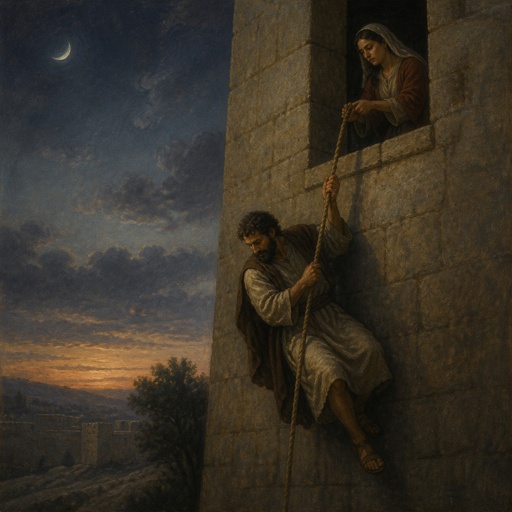
"¶ So Michal let David down through a window: and he went, and fled, and escaped." - 1 Samuel 19:12

2 Samuel 12:26 - "And Joab fought against Rabbah of the children of Ammon, and took the royal city."

2 Samuel 19:23 - "Therefore the king said unto Shimei, Thou shalt not die. And the king sware unto him."

2 Samuel 11:19 - "And charged the messenger, saying, When thou hast made an end of telling the matters of the war unto the king,"

2 Samuel 23:19 - "Was he not most honourable of three? therefore he was their captain: howbeit he attained not unto the first three."

2 Samuel 17:19 - "And the woman took and spread a covering over the well's mouth, and spread ground corn thereon; and the thing was not known."

2 Samuel 12:29 - "And David gathered all the people together, and went to Rabbah, and fought against it, and took it."

2 Samuel 19:33 - "And the king said unto Barzillai, Come thou over with me, and I will feed thee with me in Jerusalem."