What does 2 Samuel 13:26-28 mean?
"Then said Absalom, If not, I pray thee, let my brother Amnon go with us. And the king said unto him, Why should he go with thee? But Absalom pressed him, that he let Amnon and all the king's sons go with him. Now Absalom had commanded his servants, saying, Mark ye now when Amnon's heart is merry with wine, and when I say unto you, Smite Amnon; then kill him, fear not: have not I commanded you? be courageous, and be valiant." - 2 Samuel 13:26-28
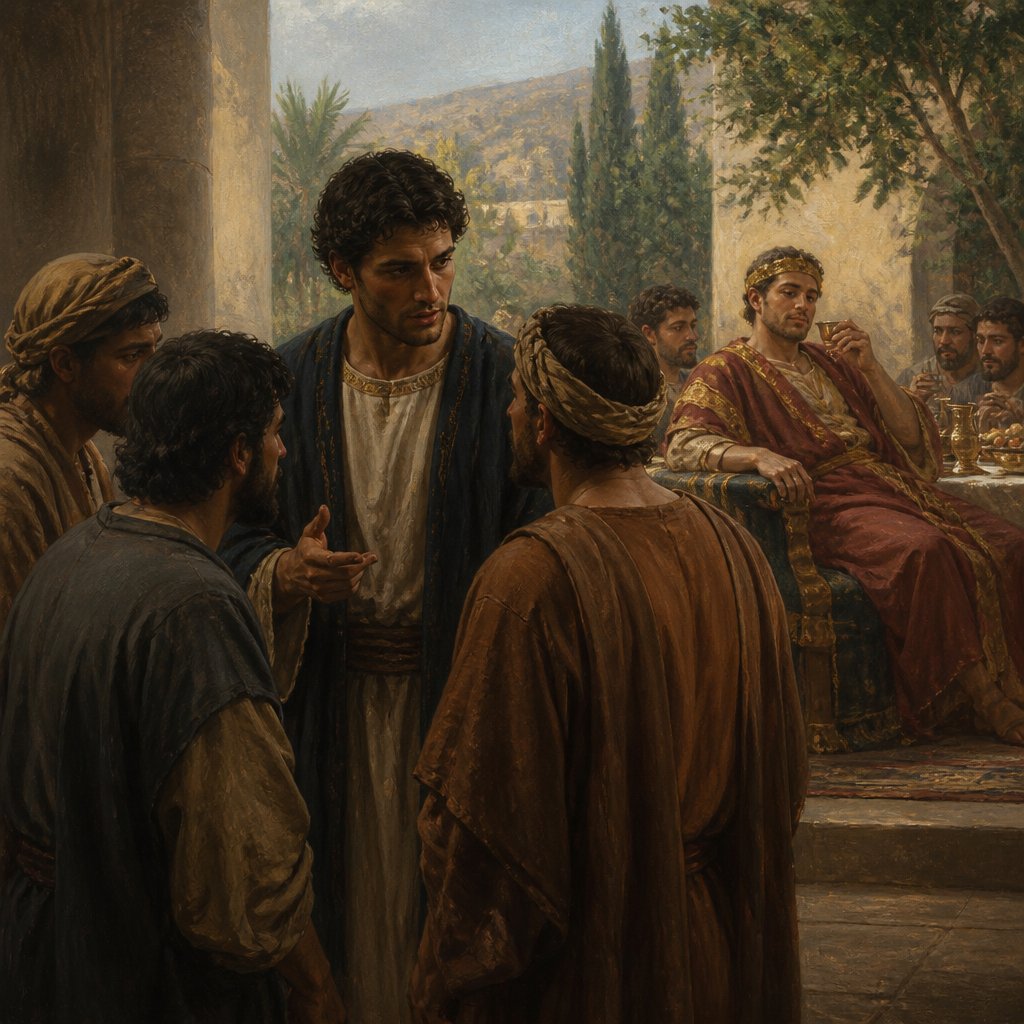
2 Samuel 13:26-28 (KJV): "Then said Absalom, If not, I pray thee, let my brother Amnon go with us. And the king said unto him, Why should he go with thee? But Absalom pressed him, that he let Amnon and all the king's sons go with him. Now Absalom had commanded his servants, saying, Mark ye now when Amnon's heart is merry with wine, and when I say unto you, Smite Amnon; then kill him, fear not: have not I commanded you? be courageous, and be valiant. And the servants of Absalom did unto Amnon as Absalom had commanded. Then all the king's sons arose, and every man gat him up upon his mule, and fled."
The story of Absalom and Amnon is a tragic and heart-wrenching episode in the history of King David's family. It is a tale of betrayal, vengeance, and ultimately, a family torn apart by violence and hatred. This passage in 2 Samuel 13:26-28 from the King James Version of the Bible paints a vivid picture of the events leading up to the murder of Amnon by his brother Absalom.
The deep and complex themes in this passage resonate with readers even today, as it addresses issues of power, revenge, and the consequences of sin. The context of this passage is important to understand the intricate dynamics of the relationships between the characters involved. Absalom, the third son of King David, seeks retribution for the rape of his sister Tamar by his half-brother Amnon. The tension and turmoil within the royal family are palpable as Absalom devises a plan to avenge his sister's honor, leading to the tragic demise of Amnon.
At the heart of this passage lies the theme of familial betrayal and the abuse of power. Absalom's resentment towards Amnon and his determination to seek justice for his sister's suffering are overshadowed by his manipulation of the situation to achieve his own agenda. The passage portrays the toxic nature of unresolved conflict within families and the destructive consequences that stem from it.
The symbolism in this passage is also significant, as it demonstrates the fragility of trust and the dangers of unchecked emotions. Absalom's manipulation of his father, King David, reveals his cunning and strategic nature as he persuades the king to allow him to bring Amnon along on a trip, all the while plotting his brother's downfall. This act of deceit highlights the erosion of familial bonds and the lengths to which individuals will go to achieve their own desires, regardless of the impact on others.
Furthermore, the passage delves into the theme of vengeance and retribution. Absalom's calculated plan to avenge Tamar's honor by orchestrating Amnon's murder reflects the cycle of violence and the destructive nature of seeking vengeance. The passage serves as a cautionary tale, illustrating the devastating consequences that arise from harboring feelings of hatred and the pursuit of revenge.
As the passage concludes with the tragic outcome of Amnon's murder and the subsequent fleeing of the king's sons, it leaves a profound impact on readers. The turmoil and dysfunction within the family of King David underscores the far-reaching effects of sin and the devastation wrought by unchecked emotions and unresolved conflicts.
In conclusion, the passage in 2 Samuel 13:26-28 from the King James Version of the Bible delves into the complex themes of betrayal, revenge, and the consequences of sin within the context of a tumultuous family dynamic. It serves as a poignant reminder of the destructive nature of unchecked emotions and the far-reaching impact of familial strife. The symbolism and themes in this passage resonate deeply with readers, prompting reflection on the destructive consequences of harboring feelings of hatred and the pursuit of vengeance.
Have questions about 2 Samuel 13:26-28?
Dive deeper into this scripture with Bible Chat — an AI-powered tool for exploring God's Word through conversation. Ask questions, get context, and grow in your understanding of the Bible.
Get Our Apps


2 Samuel 13:26-28 Artwork
"Then Absalom said, “If not, please let my brother Amnon go with us.” The king asked him, “Why should he go with you?” But Absalom urged him, so he sent with him Amnon and the rest of the king’s sons. Absalom ordered his men, “Listen! When Amnon is in high spirits from drinking wine and I say to you, ‘Strike Amnon down,’ then kill him. Do not be afraid. Have not I given you this order? Be strong and brave.”" - 2 Samuel 13:26-28

2 Samuel 13:26 - "Then said Absalom, If not, I pray thee, let my brother Amnon go with us. And the king said unto him, Why should he go with thee?"

1 Samuel 2:26 - "And the child Samuel grew on, and was in favour both with the LORD, and also with men."

2 Samuel 23:28 - "Zalmon the Ahohite, Maharai the Netophathite,"

2 Samuel 17:26 - "So Israel and Absalom pitched in the land of Gilead."

2 Samuel 23:26 - "Helez the Paltite, Ira the son of Ikkesh the Tekoite,"

2 Samuel 20:26 - "And Ira also the Jairite was a chief ruler about David."

1 Samuel 26:13 - "¶ Then David went over to the other side, and stood on the top of an hill afar off; a great space being between them:"

1 Samuel 28:13 - "And the king said unto her, Be not afraid: for what sawest thou? And the woman said unto Saul, I saw gods ascending out of the earth."

1 Chronicles 26:28 - "And all that Samuel the seer, and Saul the son of Kish, and Abner the son of Ner, and Joab the son of Zeruiah, had dedicated; and whosoever had dedicated any thing, it was under the hand of Shelomith, and of his brethren."

2 Samuel 14:28 - "¶ So Absalom dwelt two full years in Jerusalem, and saw not the king's face."

2 Samuel 12:26 - "And Joab fought against Rabbah of the children of Ammon, and took the royal city."
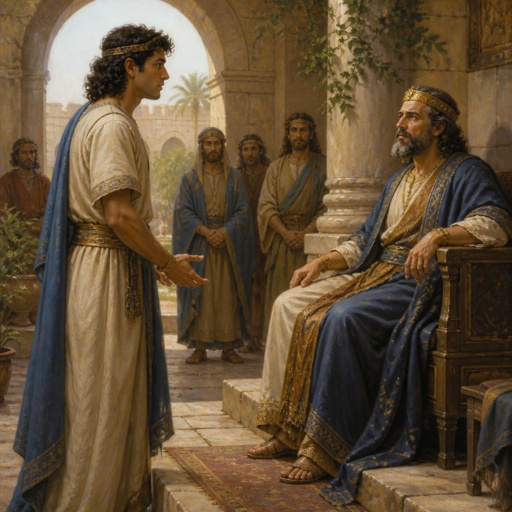
"Then said Absalom, If not, I pray thee, let my brother Amnon go with us. And the king said unto him, Why should he go with thee?" - 2 Samuel 13:26

2 Samuel 2:28 - "So Joab blew a trumpet, and all the people stood still, and pursued after Israel no more, neither fought they any more."

"Zalmon the Ahohite, Maharai the Netophathite," - 2 Samuel 23:28

2 Samuel 15:28 - "See, I will tarry in the plain of the wilderness, until there come word from you to certify me."

"And the child Samuel grew on, and was in favour both with the LORD, and also with men." - 1 Samuel 2:26

2 Chronicles 28:26 - "¶ Now the rest of his acts and of all his ways, first and last, behold, they are written in the book of the kings of Judah and Israel."

2 Chronicles 28:26 (KJVA) 26 Now the rest of his acts and of all his ways, first and last, behold, they are written in the book of the kings of Judah and Israel.

2 Samuel 11:26 - "¶ And when the wife of Uriah heard that Uriah her husband was dead, she mourned for her husband."

2 Chronicles 28:26 (KJVA) 26 Now the rest of his acts and of all his ways, first and last, behold, they are written in the book of the kings of Judah and Israel.

2 Chronicles 28:26 (KJVA) 26 Now the rest of his acts and of all his ways, first and last, behold, they are written in the book of the kings of Judah and Israel.

2 Chronicles 28:26 (KJVA) 26 Now the rest of his acts and of all his ways, first and last, behold, they are written in the book of the kings of Judah and Israel.

2 Samuel 13:38 - "So Absalom fled, and went to Geshur, and was there three years."
2 Samuel 22:28 - "And the afflicted people thou wilt save: but thine eyes are upon the haughty, that thou mayest bring them down."

2 Samuel 17:28 - "Brought beds, and basons, and earthen vessels, and wheat, and barley, and flour, and parched corn, and beans, and lentiles, and parched pulse,"

2 Samuel 22:26 - "With the merciful thou wilt shew thyself merciful, and with the upright man thou wilt shew thyself upright."

2 Samuel 22:13 - "Through the brightness before him were coals of fire kindled."

2 Samuel 15:13 - "¶ And there came a messenger to David, saying, The hearts of the men of Israel are after Absalom."

2 Samuel 13:21 - "¶ But when king David heard of all these things, he was very wroth."