What does 2 Samuel 11:26 mean?
"¶ And when the wife of Uriah heard that Uriah her husband was dead, she mourned for her husband." - 2 Samuel 11:26
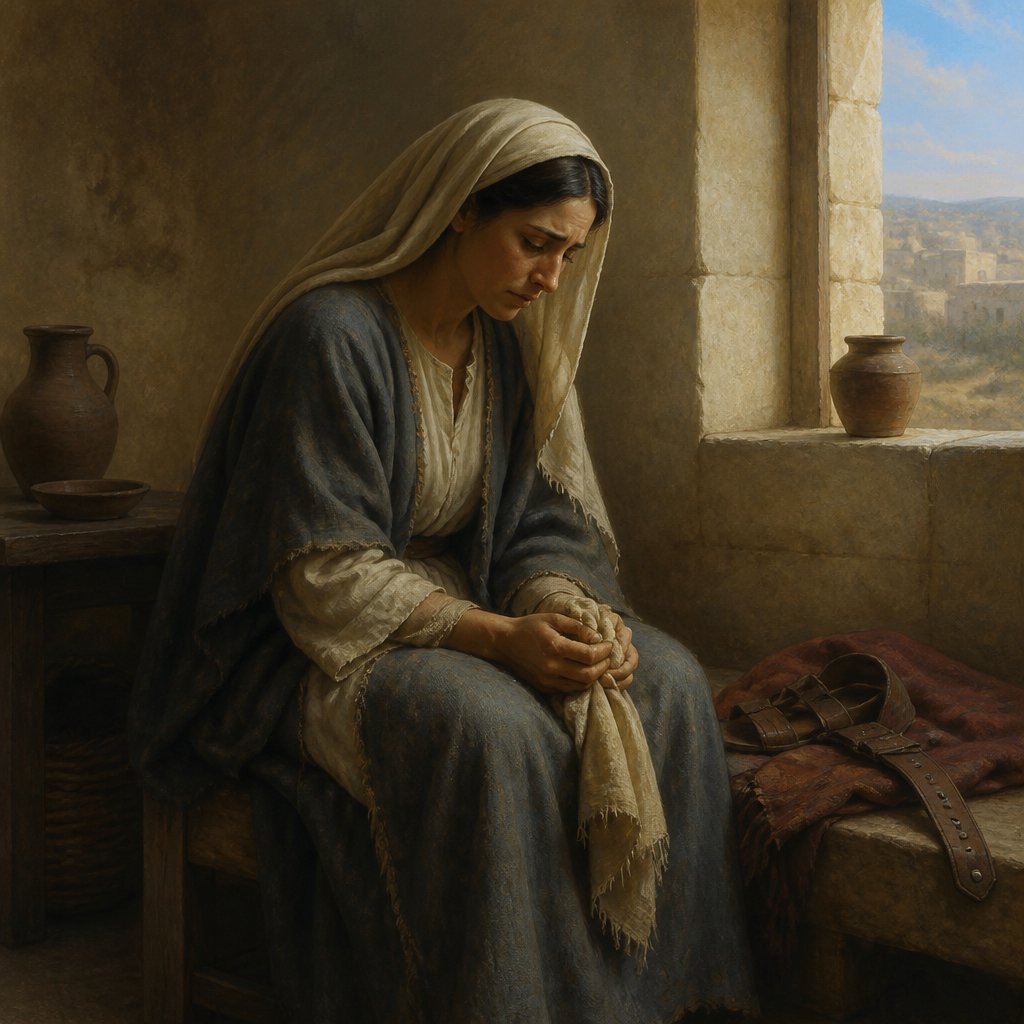
The Bible verse 2 Samuel 11:26 from the King James Version states, "And when the wife of Uriah heard that Uriah her husband was dead, she mourned for her husband." This verse comes at the conclusion of a famous and tragic story in the Old Testament, involving King David and Bathsheba.
In order to understand the full depth and meaning of this verse, it is important to examine the context in which it is set. The story of David and Bathsheba begins in 2 Samuel 11, when David, the king of Israel, sees Bathsheba bathing and becomes enamored with her beauty. Despite the fact that she is married to Uriah the Hittite, one of David's mighty men, David seduces her and she becomes pregnant. In an attempt to cover up his sin, David tries to get Uriah to sleep with his wife in the hope that he will think the child is his, but when Uriah refuses to do so while his fellow soldiers are at war, David has him placed in the front lines where he is killed.
The verse 2 Samuel 11:26 depicts the aftermath of Uriah's death. When Bathsheba is informed of her husband's demise, she is naturally filled with grief and mourning for her loss. This verse serves as a reminder of the tragic consequences of David's actions and the impact it has on the innocent people involved.
One of the key themes of this verse and the story as a whole is the idea of sin and its consequences. David's initial act of adultery with Bathsheba leads to a chain of events that result in Uriah's death and the loss of their child, as well as bringing about God's displeasure upon David and his household. This serves as a powerful cautionary tale about the destructive nature of sin and the far-reaching consequences it can have on not only the individual who commits it, but also on those around them.
Another important theme is the concept of justice and judgment. Despite David's position as king, he is not exempt from the consequences of his actions. The story illustrates how even the most powerful and influential individuals are held accountable for their deeds, and how God's justice prevails in the end.
Symbolism also plays a significant role in this verse and the story. Bathsheba's mourning for her husband symbolizes the sorrow and devastation that can result from the choices and actions of others. It also acts as a representation of the larger consequences of sin and the pain it can inflict on those who are innocent and undeserving.
Overall, 2 Samuel 11:26 is a poignant and sobering verse that serves as a reflection on the devastating impact of sin and the justice of God. It reminds us of the importance of accountability and the far-reaching consequences of our actions. It also offers a message of hope, as it demonstrates that even in the midst of tragedy, God's justice and righteousness ultimately prevail. This verse continues to serve as a timeless and profound lesson for all who encounter it.
Have questions about 2 Samuel 11:26?
Dive deeper into this scripture with Bible Chat — an AI-powered tool for exploring God's Word through conversation. Ask questions, get context, and grow in your understanding of the Bible.
Get Our Apps


2 Samuel 11:26 Artwork

2 Samuel 11:26 - "¶ And when the wife of Uriah heard that Uriah her husband was dead, she mourned for her husband."
"¶ And when the wife of Uriah heard that Uriah her husband was dead, she mourned for her husband." - 2 Samuel 11:26

1 Samuel 2:26 - "And the child Samuel grew on, and was in favour both with the LORD, and also with men."

2 Samuel 11:9

2 Samuel 11

2 samuel 11

2 Samuel 11:11

2 Samuel 17:26 - "So Israel and Absalom pitched in the land of Gilead."

2 Samuel 23:26 - "Helez the Paltite, Ira the son of Ikkesh the Tekoite,"

2 Samuel 20:26 - "And Ira also the Jairite was a chief ruler about David."

2 Samuel 12:26 - "And Joab fought against Rabbah of the children of Ammon, and took the royal city."

"And the child Samuel grew on, and was in favour both with the LORD, and also with men." - 1 Samuel 2:26

2 Samuel 2:11 - "And the time that David was king in Hebron over the house of Judah was seven years and six months."

2 Samuel 22:26 - "With the merciful thou wilt shew thyself merciful, and with the upright man thou wilt shew thyself upright."

2 Samuel 11:18 - "¶ Then Joab sent and told David all the things concerning the war;"

2 Samuel 21:11 - "And it was told David what Rizpah the daughter of Aiah, the concubine of Saul, had done."

"Helez the Paltite, Ira the son of Ikkesh the Tekoite," - 2 Samuel 23:26

"So Israel and Absalom pitched in the land of Gilead." - 2 Samuel 17:26

1 Samuel 26:2 - "Then Saul arose, and went down to the wilderness of Ziph, having three thousand chosen men of Israel with him, to seek David in the wilderness of Ziph."

2 Samuel 11:5 - "And the woman conceived, and sent and told David, and said, I am with child."

2 Samuel 11:22 - "¶ So the messenger went, and came and shewed David all that Joab had sent him for."

2 Samuel 3:11 - "And he could not answer Abner a word again, because he feared him."
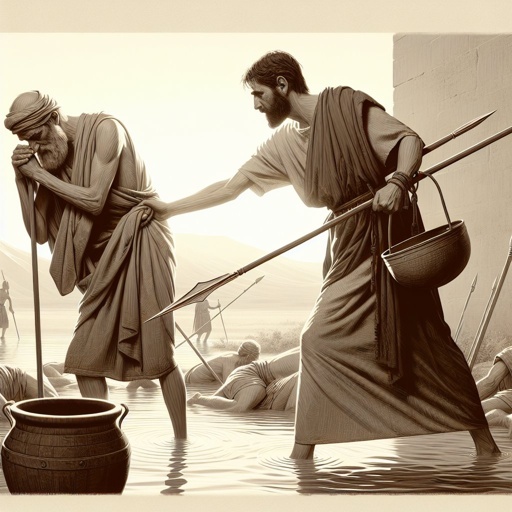
1 Samuel 26:11 - "The LORD forbid that I should stretch forth mine hand against the LORD'S anointed: but, I pray thee, take thou now the spear that is at his bolster, and the cruse of water, and let us go."

2 Samuel 11:14 - "¶ And it came to pass in the morning, that David wrote a letter to Joab, and sent it by the hand of Uriah."

"And Ira also the Jairite was a chief ruler about David." - 2 Samuel 20:26

2 Samuel 22:11 - "And he rode upon a cherub, and did fly: and he was seen upon the wings of the wind."

2 Samuel 2:26 - "Then Abner called to Joab, and said, Shall the sword devour for ever? knowest thou not that it will be bitterness in the latter end? how long shall it be then, ere thou bid the people return from following their brethren?"

2 Samuel 11:6 - "¶ And David sent to Joab, saying, Send me Uriah the Hittite. And Joab sent Uriah to David."

2 Samuel 15:26 - "But if he thus say, I have no delight in thee; behold, here am I, let him do to me as seemeth good unto him."

2 Samuel 1:11 - "Then David took hold on his clothes, and rent them; and likewise all the men that were with him:"