What does 2 Samuel 10:8 mean?
"And the children of Ammon came out, and put the battle in array at the entering in of the gate: and the Syrians of Zoba, and of Rehob, and Ish-tob, and Maacah, were by themselves in the field." - 2 Samuel 10:8
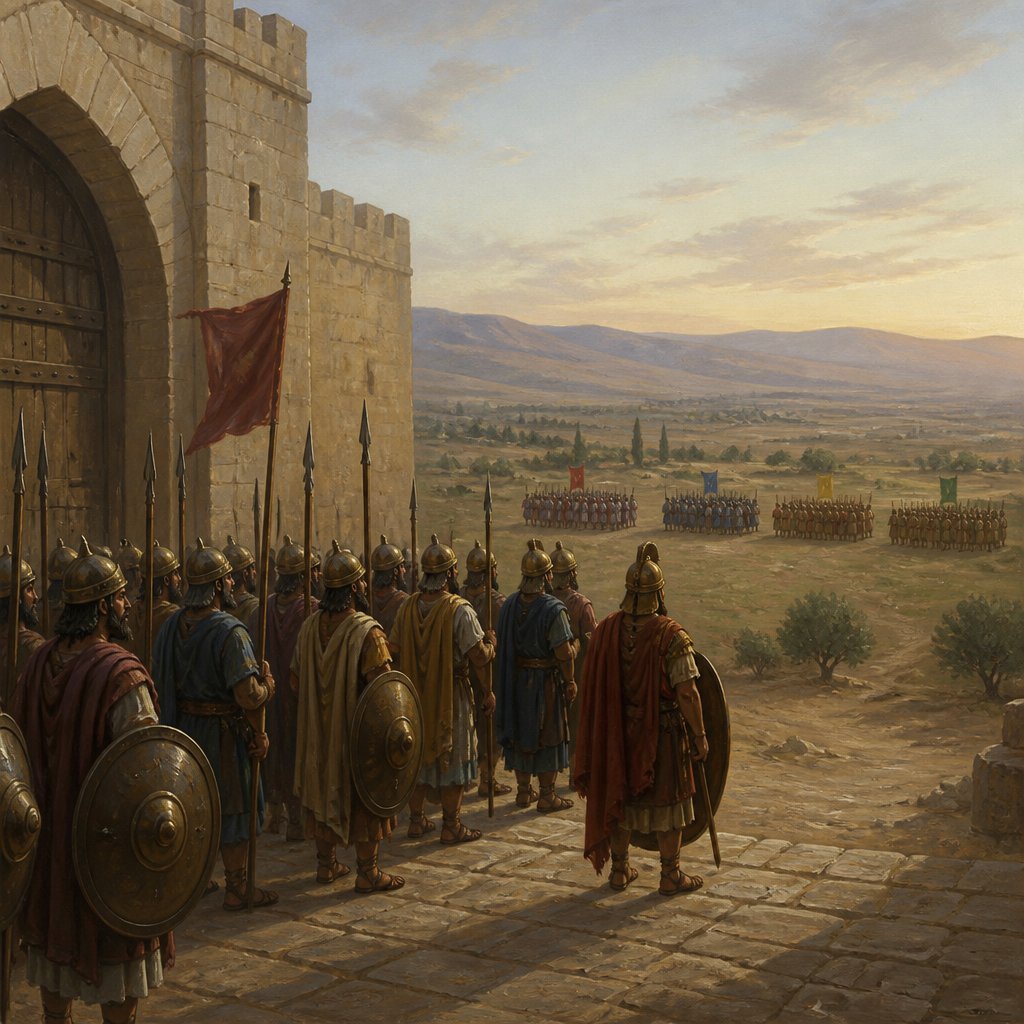
In 2 Samuel 10:8, the King James Version states, "And the children of Ammon came out, and put the battle in array at the entering in of the gate: and the Syrians of Zoba, and of Rehob, and Ishtob, and Maacah, were by themselves in the field." This verse is part of a larger story about the war between King David and the Ammonites and their allies, the Syrians.
To understand the deeper meaning and commentary behind this verse, it is important to consider the context in which it is set. In the preceding verses, we learn that King David sent messengers to the king of the Ammonites to express his condolences for the death of the king's father and to show kindness to his son, Hanun, who had succeeded him as king. However, Hanun, misled by his advisors, suspected the messengers of being spies and treated them shamefully by shaving off half of their beards and cutting off their garments at the buttocks. This disrespectful treatment led to a war between the Ammonites and the Israelites.
In 2 Samuel 10:8, we see the Ammonites preparing for battle by putting their forces in array at the entry of the gate. Meanwhile, the Syrians, including the people of Zoba, Rehob, Ishtob, and Maacah, were gathered in the field. This verse sets the stage for the impending battle between the Ammonites and their allies and the Israelites.
One of the themes that can be derived from this verse is the idea of conflict and warfare. Throughout the Bible, there are numerous accounts of battles and wars, both physical and spiritual. In this particular instance, the Israelites find themselves in a military conflict with their neighbors. This theme of conflict and the ensuing violence raises questions about the nature of war and the ethical considerations that come with it.
Another theme that can be explored in this verse is the concept of alliances and betrayal. The Ammonites, feeling threatened by the Israelites, sought the support of the Syrians to bolster their forces. However, this alliance ultimately led to their downfall, as they were defeated by the Israelites and their allies. This speaks to the complex dynamics of alliances and the potential consequences of betrayal and mistrust.
Symbolism can also be found in this verse, particularly in the positioning of the Ammonites and the Syrians. The fact that the Ammonites were at the gate while the Syrians were in the field could symbolize the Ammonites' defensive posture, while the Syrians took a more offensive stance. This positioning reflects the strategic decisions made by both sides and serves as a reminder of the importance of tactics and planning in warfare.
In conclusion, 2 Samuel 10:8 offers a glimpse into the escalating tensions and preparations for battle between the Israelites and their enemies. The themes of conflict, alliances, and betrayal, as well as the symbolism of positioning, provide a deeper understanding of the complexities of war and the moral considerations that accompany it. This verse reminds us of the realities of human conflict and the need for wisdom and discernment in navigating such situations.
Have questions about 2 Samuel 10:8?
Dive deeper into this scripture with Bible Chat — an AI-powered tool for exploring God's Word through conversation. Ask questions, get context, and grow in your understanding of the Bible.
Get Our Apps


2 Samuel 10:8 Artwork

2 Samuel 10:8 - "And the children of Ammon came out, and put the battle in array at the entering in of the gate: and the Syrians of Zoba, and of Rehob, and Ish-tob, and Maacah, were by themselves in the field."
"And the children of Ammon came out, and put the battle in array at the entering in of the gate: and the Syrians of Zoba, and of Rehob, and Ish-tob, and Maacah, were by themselves in the field." - 2 Samuel 10:8

1 Samuel 8:10 - "¶ And Samuel told all the words of the LORD unto the people that asked of him a king."

2 Samuel 10:4

2 Samuel 10:4

2 Samuel 19:8

2 Samuel 19:8

2 Samuel 19:8

2 Samuel 19:8

2 samuel 23:8-21

2 Samuel 8:8 - "And from Betah, and from Berothai, cities of Hadadezer, king David took exceeding much brass."
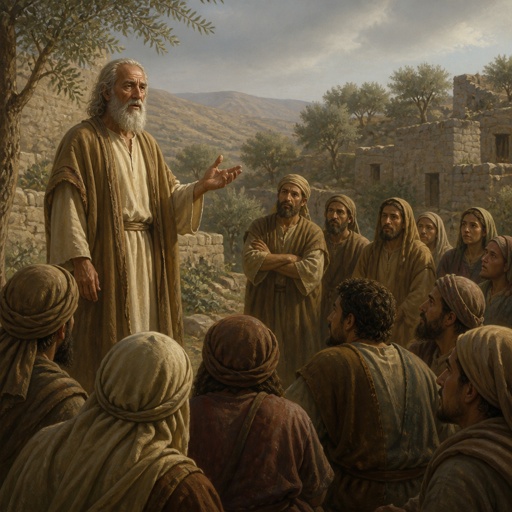
"¶ And Samuel told all the words of the LORD unto the people that asked of him a king." - 1 Samuel 8:10

2 Samuel 8:10 - "Then Toi sent Joram his son unto king David, to salute him, and to bless him, because he had fought against Hadadezer, and smitten him: for Hadadezer had wars with Toi. And Joram brought with him vessels of silver, and vessels of gold, and vessels of brass:"

2 Samuel 5:10 - "And David went on, and grew great, and the LORD God of hosts was with him."

2 Samuel 2:8 - "¶ But Abner the son of Ner, captain of Saul's host, took Ish-bosheth the son of Saul, and brought him over to Mahanaim;"

2 Samuel 10:10 - "And the rest of the people he delivered into the hand of Abishai his brother, that he might put them in array against the children of Ammon."

2 Samuel 8:16 - "And Joab the son of Zeruiah was over the host; and Jehoshaphat the son of Ahilud was recorder;"

2 Samuel 10:15 - "¶ And when the Syrians saw that they were smitten before Israel, they gathered themselves together."

2 Samuel 22:8 - "Then the earth shook and trembled; the foundations of heaven moved and shook, because he was wroth."

2 Samuel 22:10 - "He bowed the heavens also, and came down; and darkness was under his feet."

2 Samuel 10:7 - "And when David heard of it, he sent Joab, and all the host of the mighty men."

2 Samuel 8:17 - "And Zadok the son of Ahitub, and Ahimelech the son of Abiathar, were the priests; and Seraiah was the scribe;"

2 Samuel 8:7 - "And David took the shields of gold that were on the servants of Hadadezer, and brought them to Jerusalem."

2 Samuel 8:9 - "¶ When Toi king of Hamath heard that David had smitten all the host of Hadadezer,"

1 Samuel 10:8 - "And thou shalt go down before me to Gilgal; and, behold, I will come down unto thee, to offer burnt offerings, and to sacrifice sacrifices of peace offerings: seven days shalt thou tarry, till I come to thee, and shew thee what thou shalt do."

2 Samuel 8:12 - "Of Syria, and of Moab, and of the children of Ammon, and of the Philistines, and of Amalek, and of the spoil of Hadadezer, son of Rehob, king of Zobah."

2 Samuel 14:8 - "And the king said unto the woman, Go to thine house, and I will give charge concerning thee."

2 Samuel 18:10 - "And a certain man saw it, and told Joab, and said, Behold, I saw Absalom hanged in an oak."

2 Samuel 8:18 - "And Benaiah the son of Jehoiada was over both the Cherethites and the Pelethites; and David's sons were chief rulers."

1 Samuel 8:2 - "Now the name of his firstborn was Joel; and the name of his second, Abiah: they were judges in Beer-sheba."