What does 2 Kings 9:20 mean?
"And the watchman told, saying, He came even unto them, and cometh not again: and the driving is like the driving of Jehu the son of Nimshi; for he driveth furiously." - 2 Kings 9:20
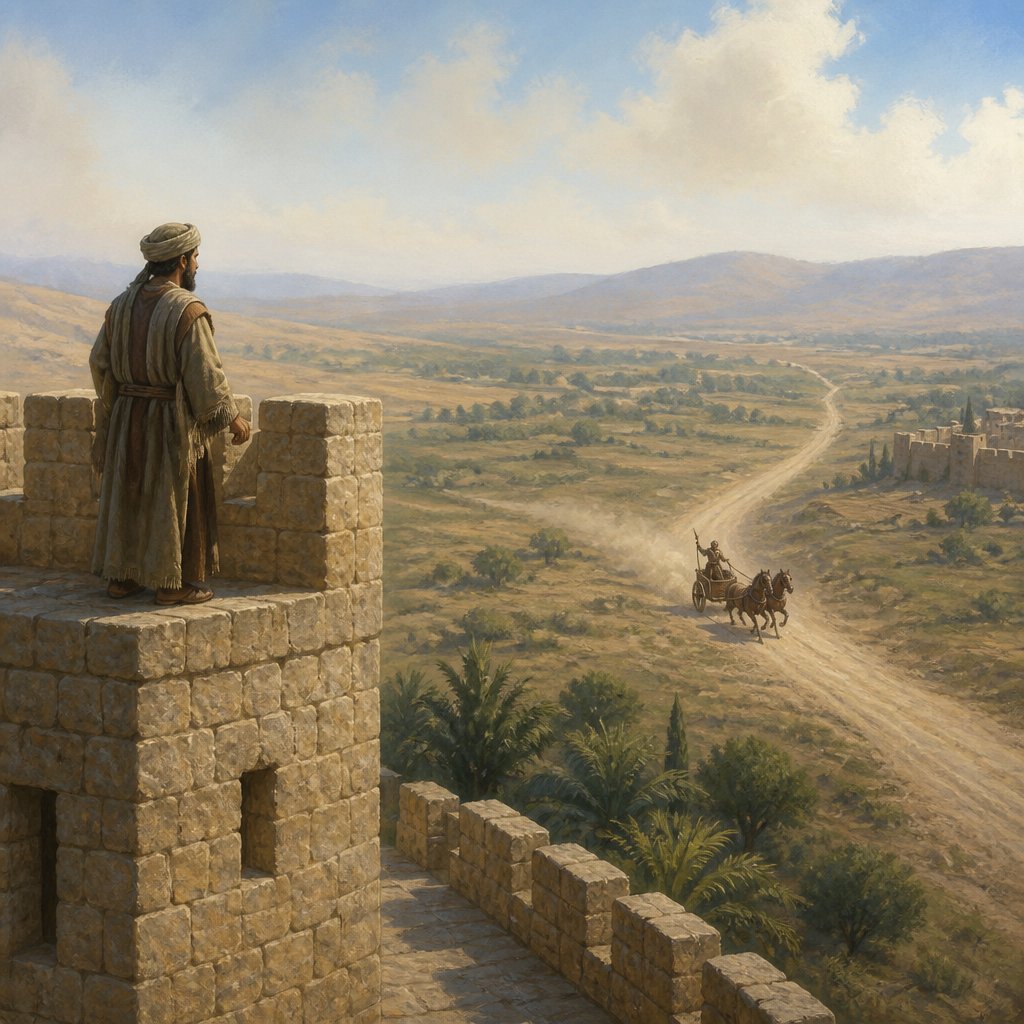
2 Kings 9:20 (KJV): "And the watchman told, saying, He came even unto them, and cometh not again: and the driving is like the driving of Jehu the son of Nimshi; for he driveth furiously."
This verse comes from the Book of 2 Kings, which is a part of the historical books of the Old Testament. 2 Kings is a continuation of the story of the Israelites as they transition from the reign of the prophet Elijah to the reign of his successor, Elisha. This particular verse is part of the narrative describing the actions of Jehu, who was anointed as king of Israel by a prophet of God.
To understand the full meaning and commentary of this verse, it is important to look at the context in which it is set. At this point in the biblical narrative, the kingdom of Israel is in a state of chaos and rebellion against God. The previous king, Joram, was a wicked ruler who had led the people of Israel into idolatry and sin. Jehu's anointing as king was a divine intervention to bring about judgment and justice for these sins.
In this verse, the watchman is reporting to the city's officials that Jehu, who had been anointed as king by the prophet Elisha, was approaching the city in a manner that was unmistakably him. The mention of "the driving" refers to the way that Jehu was leading his chariot, which was characterized by its intense speed and urgency. The use of the word "driving" here is significant, as it depicts Jehu's determination and aggression in his pursuit of executing God's judgment against the wicked rulers of Israel.
The symbolism in this verse is particularly profound. Jehu's driving is reflective of his uncompromising zeal and determination to fulfill God's will, even in the face of danger and opposition. This driving is symbolic of his decisive and forceful approach to carrying out the judgment of God upon the sinful rulers of Israel. Furthermore, the mention of Jehu's driving being like that of his father, Nimshi, signifies the continuity and fulfilment of the prophetic words spoken over his family.
The themes presented in this verse are those of divine judgment, obedience to God's will, and the sovereignty of God. The reckless and furious driving of Jehu is a symbol of God's wrath being poured out on the sinful rulers of Israel. It serves as a reminder that God will not tolerate disobedience and idolatry among His people. The urgency depicted in Jehu's driving also underscores the need for prompt and decisive action in carrying out God's purposes.
Moreover, the verse exemplifies the theme of obedience to God's commands. Jehu's driving is a physical manifestation of his faithful obedience to the prophetic word that had been spoken over him. It demonstrates his unwavering commitment to fulfilling the will of God, regardless of the personal risks or the opposition he may face.
Lastly, the verse highlights the overarching theme of God's sovereignty. It emphasizes that God is in control of the events taking place and that He uses human agents such as Jehu to carry out His divine purposes. The driving of Jehu serves as a visible sign of God's power and authority being exercised through a human vessel.
In conclusion, 2 Kings 9:20 is a verse that holds deep spiritual significance within the biblical narrative. It provides a powerful portrayal of divine judgment, obedience to God's will, and the sovereignty of God. The symbolism and themes within this verse offer a rich and timeless lesson for believers today, reminding us of the importance of remaining faithful to God's commands and trusting in His ultimate authority.
Have questions about 2 Kings 9:20?
Dive deeper into this scripture with Bible Chat — an AI-powered tool for exploring God's Word through conversation. Ask questions, get context, and grow in your understanding of the Bible.
Get Our Apps


2 Kings 9:20 Artwork

2 Kings 9:20 - "And the watchman told, saying, He came even unto them, and cometh not again: and the driving is like the driving of Jehu the son of Nimshi; for he driveth furiously."
"And the watchman told, saying, He came even unto them, and cometh not again: and the driving is like the driving of Jehu the son of Nimshi; for he driveth furiously." - 2 Kings 9:20

2 Kings 20:9 - "And Isaiah said, This sign shalt thou have of the LORD, that the LORD will do the thing that he hath spoken: shall the shadow go forward ten degrees, or go back ten degrees?"

1 Kings 9:20 - "And all the people that were left of the Amorites, Hittites, Perizzites, Hivites, and Jebusites, which were not of the children of Israel,"

2 kings 9:34-36

2 Kings 20:20 - "¶ And the rest of the acts of Hezekiah, and all his might, and how he made a pool, and a conduit, and brought water into the city, are they not written in the book of the chronicles of the kings of Judah?"

2 Kings 20:2 - "Then he turned his face to the wall, and prayed unto the LORD, saying,"

2 Kings 2:20 - "And he said, Bring me a new cruse, and put salt therein. And they brought it to him."

2 Kings 20:16 - "And Isaiah said unto Hezekiah, Hear the word of the LORD."

2 Kings 10:20 - "And Jehu said, Proclaim a solemn assembly for Baal. And they proclaimed it."

2 Kings 25:20 - "And Nebuzar-adan captain of the guard took these, and brought them to the king of Babylon to Riblah:"

2 Chronicles 9:22 - "And king Solomon passed all the kings of the earth in riches and wisdom."

2 Kings 14:20 - "And they brought him on horses: and he was buried at Jerusalem with his fathers in the city of David."

2 Kings 20:21 - "And Hezekiah slept with his fathers: and Manasseh his son reigned in his stead."

2 Kings 21:20 - "And he did that which was evil in the sight of the LORD, as his father Manasseh did."

2 Kings 13:20 - "¶ And Elisha died, and they buried him. And the bands of the Moabites invaded the land at the coming in of the year."

2 Kings 20:7 - "And Isaiah said, Take a lump of figs. And they took and laid it on the boil, and he recovered."

2 Kings 11:20 - "And all the people of the land rejoiced, and the city was in quiet: and they slew Athaliah with the sword beside the king's house."

2 Kings 9:9 - "And I will make the house of Ahab like the house of Jeroboam the son of Nebat, and like the house of Baasha the son of Ahijah:"

2 Kings 8:20 - "¶ In his days Edom revolted from under the hand of Judah, and made a king over themselves."

2 Kings 7:20 - "And so it fell out unto him: for the people trode upon him in the gate, and he died."

1 Kings 20:2 - "And he sent messengers to Ahab king of Israel into the city, and said unto him, Thus saith Ben-hadad,"

2 Kings 20:4 - "And it came to pass, afore Isaiah was gone out into the middle court, that the word of the LORD came to him, saying,"

2 Kings 12:20 - "And his servants arose, and made a conspiracy, and slew Joash in the house of Millo, which goeth down to Silla."
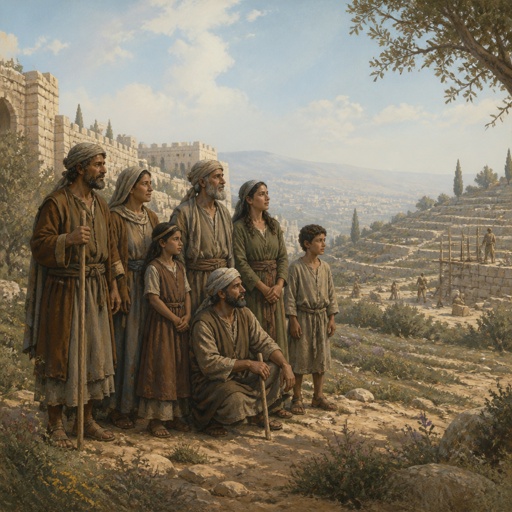
"And all the people that were left of the Amorites, Hittites, Perizzites, Hivites, and Jebusites, which were not of the children of Israel," - 1 Kings 9:20

2 Kings 9:4 - "¶ So the young man, even the young man the prophet, went to Ramoth-gilead."

2 Kings 9:23 - "And Joram turned his hands, and fled, and said to Ahaziah, There is treachery, O Ahaziah."

2 Kings 9:29 - "And in the eleventh year of Joram the son of Ahab began Ahaziah to reign over Judah."

2 Kings 20:10 - "And Hezekiah answered, It is a light thing for the shadow to go down ten degrees: nay, but let the shadow return backward ten degrees."

2 Kings 5:9 - "So Naaman came with his horses and with his chariot, and stood at the door of the house of Elisha."