What does 2 Kings 9:12 mean?
"And they said, It is false; tell us now. And he said, Thus and thus spake he to me, saying, Thus saith the LORD, I have anointed thee king over Israel." - 2 Kings 9:12
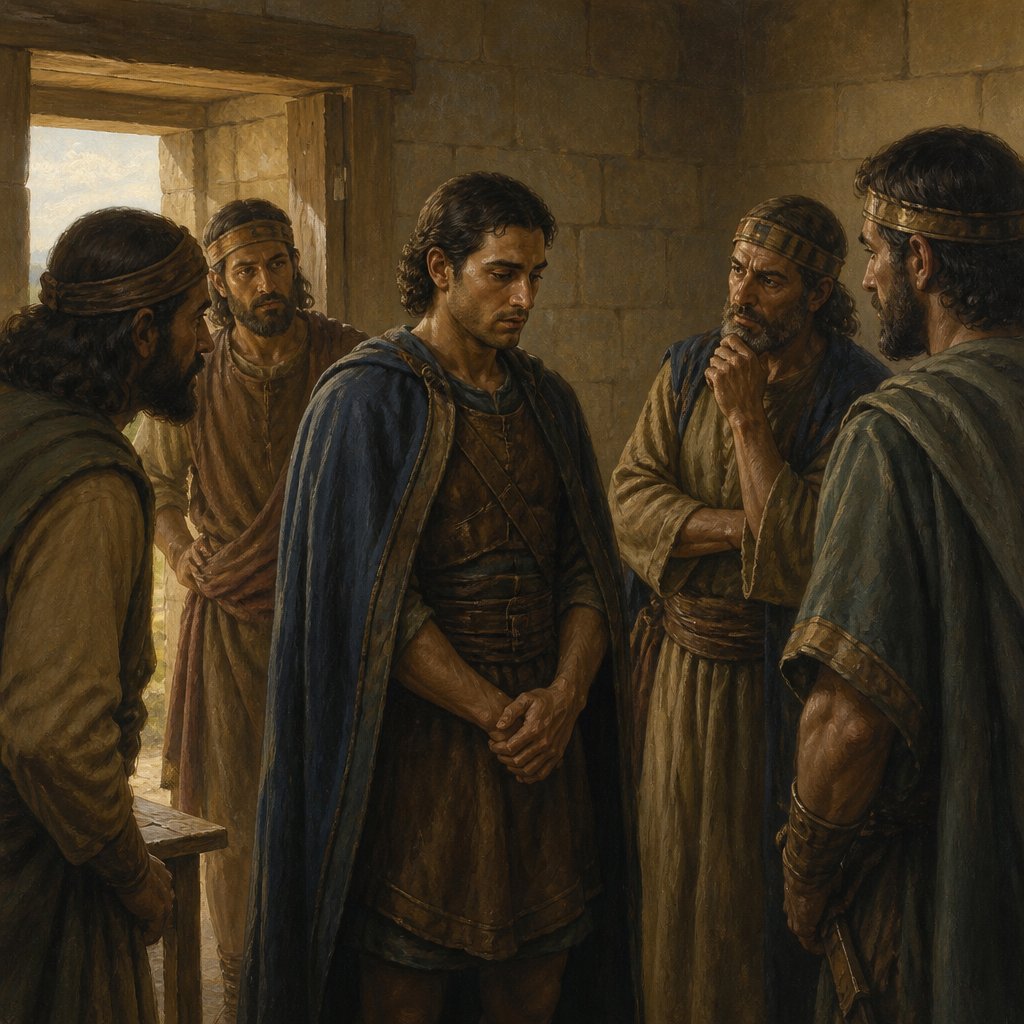
2 Kings 9:12 KJV: "And they said, It is false; tell us now. And he said, Thus and thus spake he to me, saying, Thus saith the Lord, I have anointed thee king over Israel."
In this verse, we witness a significant moment in the narrative of the anointing of Jehu as king over Israel. There are several layers of meaning, themes, and implications within this verse that provide valuable insight into the historical and spiritual context of the event, as well as its significance in the broader narrative of the Bible.
Contextually, this verse takes place in the midst of political turmoil and conflict within the kingdom of Israel. Ahab, the former king of Israel, had been killed in battle, and his wife Jezebel had been overthrown, leading to a power vacuum. The prophet Elisha had previously sent a young prophet to anoint Jehu as king over Israel, with the specific task of bringing judgment upon the house of Ahab and Jezebel. The unfolding events were a part of God's plan to bring retribution and justice to the kingdom of Israel.
The theme of anointing is significant within this verse. Anointing in the Bible is a symbolic act of consecration and empowerment for a specific task or office. It was often used to signify God's chosen leader or representative. In the context of this verse, the anointing of Jehu as king over Israel was a direct affirmation of God's sovereignty and authority in the affairs of nations. God was actively working to bring about His purposes through the anointing of Jehu, and this act served as a reminder of God's presence and intervention in the political and social structures of the world.
The theme of prophecy is also evident in this verse. The young prophet's message to Jehu, "Thus saith the Lord, I have anointed thee king over Israel," was a direct revelation from God through the prophet. Throughout the Bible, we see the importance of prophetic utterances as a means of communicating God's will and direction to His people. In this instance, the prophecy served as a divine mandate for Jehu to assume the role of king and execute God's judgment upon the wicked rulers of Israel.
Symbolically, the anointing of Jehu as king over Israel carries multiple layers of meaning. First, it symbolizes God's divine authority and sovereignty over earthly kingdoms. The act of anointing was a visible reminder that the ultimate authority and power rested with God, and earthly kings were accountable to Him. Second, it symbolizes the divine commissioning of Jehu to carry out God's judgment and justice. The anointing was a sign of empowerment for Jehu to fulfill the task that God had assigned to him. Finally, the anointing of Jehu foreshadowed the coming of the true messianic king, Jesus Christ, who would ultimately reign with justice and righteousness over all nations.
In conclusion, 2 Kings 9:12 captures a pivotal moment in the biblical narrative, in which the anointing of Jehu as king over Israel signifies God's sovereign authority, prophetic revelation, and divine commissioning. This verse serves as a reminder of God's active involvement in the affairs of nations and His ultimate plan for redemption and justice. The themes of anointing, prophecy, and symbolism within this verse provide valuable insights into the larger narrative of the Bible and its implications for understanding God's purposes in the world.
Have questions about 2 Kings 9:12?
Dive deeper into this scripture with Bible Chat — an AI-powered tool for exploring God's Word through conversation. Ask questions, get context, and grow in your understanding of the Bible.
Get Our Apps


2 Kings 9:12 Artwork

2 Kings 9:12 - "And they said, It is false; tell us now. And he said, Thus and thus spake he to me, saying, Thus saith the LORD, I have anointed thee king over Israel."
"And they said, It is false; tell us now. And he said, Thus and thus spake he to me, saying, Thus saith the LORD, I have anointed thee king over Israel." - 2 Kings 9:12
1 Kings 9:12 - "And Hiram came out from Tyre to see the cities which Solomon had given him; and they pleased him not."

2 kings 9:34-36
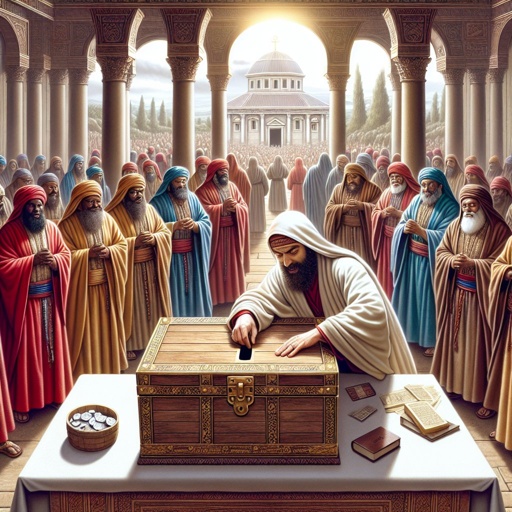
2 Kings 12:9 - "But Jehoiada the priest took a chest, and bored a hole in the lid of it, and set it beside the altar, on the right side as one cometh into the house of the LORD: and the priests that kept the door put therein all the money that was brought into the house of the LORD."

2 Kings 12:19 - "¶ And the rest of the acts of Joash, and all that he did, are they not written in the book of the chronicles of the kings of Judah?"

2 Corinthians 12:9

2 Corinthians 12:9

2 Corinthians 12:9

2 Kings 12:14 - "But they gave that to the workmen, and repaired therewith the house of the LORD."

2 Chronicles 9:22 - "And king Solomon passed all the kings of the earth in riches and wisdom."

2 Kings 9:9 - "And I will make the house of Ahab like the house of Jeroboam the son of Nebat, and like the house of Baasha the son of Ahijah:"

2 Kings 25:12 - "But the captain of the guard left of the poor of the land to be vinedressers and husbandmen."
2 Corinthians 12:9-10

2 Kings 12:16 - "The trespass money and sin money was not brought into the house of the LORD: it was the priests'."

2 Kings 12:12 - "And to masons, and hewers of stone, and to buy timber and hewed stone to repair the breaches of the house of the LORD, and for all that was laid out for the house to repair it."
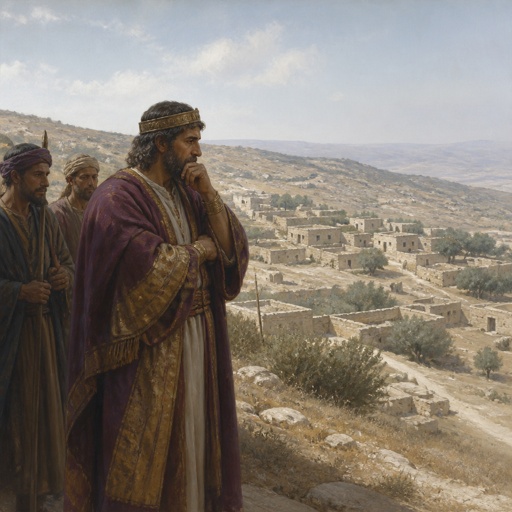
"And Hiram came out from Tyre to see the cities which Solomon had given him; and they pleased him not." - 1 Kings 9:12

2 Kings 12:2 - "And Jehoash did that which was right in the sight of the LORD all his days wherein Jehoiada the priest instructed him."

2 Kings 10:12 - "¶ And he arose and departed, and came to Samaria. And as he was at the shearing house in the way,"

2 Kings 13:12 - "And the rest of the acts of Joash, and all that he did, and his might wherewith he fought against Amaziah king of Judah, are they not written in the book of the chronicles of the kings of Israel?"

2 Kings 14:12 - "And Judah was put to the worse before Israel; and they fled every man to their tents."

2 Kings 12:6 - "But it was so, that in the three and twentieth year of king Jehoash the priests had not repaired the breaches of the house."

2 Kings 12:8 - "And the priests consented to receive no more money of the people, neither to repair the breaches of the house."

2 Kings 9:4 - "¶ So the young man, even the young man the prophet, went to Ramoth-gilead."

2 Kings 9:23 - "And Joram turned his hands, and fled, and said to Ahaziah, There is treachery, O Ahaziah."

2 Kings 9:29 - "And in the eleventh year of Joram the son of Ahab began Ahaziah to reign over Judah."

2 Kings 16:12 - "And when the king was come from Damascus, the king saw the altar: and the king approached to the altar, and offered thereon."

1 Kings 2:12 - "¶ Then sat Solomon upon the throne of David his father; and his kingdom was established greatly."

2 Kings 12:15 - "Moreover they reckoned not with the men, into whose hand they delivered the money to be bestowed on workmen: for they dealt faithfully."

2 kings 2:12 in which elisha is kneeling down while receiving brown old cloak