What does 2 Kings 8:11 mean?
"And he settled his countenance stedfastly, until he was ashamed: and the man of God wept." - 2 Kings 8:11

The Bible verse 2 Kings 8:11 from the King James Version (KJV) reads, "And he settled his countenance stedfastly, until he was ashamed: and the man of God wept."
This verse is part of the account of Elisha the prophet and the interaction with Hazael, who would later become king of Aram. The broader context of this verse begins in 2 Kings 8:7-15, where Elisha has a conversation with Hazael. In these verses, Elisha foretells to Hazael that he will become king of Aram and carry out dreadful acts of violence against the people of Israel. This prophecy deeply troubles Elisha, and he weeps in sorrow.
The verse 2 Kings 8:11 depicts Elisha's reaction to Hazael's response to the prophecy. After delivering the prophecy, Elisha "settled his countenance stedfastly, until he was ashamed," indicating that he gazed intensely at Hazael, potentially searching for a genuine reaction. When Hazael eventually responds, the man of God weeps, illustrating Elisha's emotional distress at the realization of the calamity that awaits the Israelites under the rule of Hazael.
The themes present in this verse and the broader passage include the sovereignty of God, the impact of sin and disobedience, and the interplay between free will and divine foreknowledge. Additionally, this passage offers insights into the nature of prophecy and the burden it places upon the prophet.
One of the central themes of this passage is the sovereignty of God. Throughout the Bible, God is portrayed as the ultimate authority and ruler over all nations and individuals. In this particular account, the prophecy of Hazael's future actions is a demonstration of God's foreknowledge and sovereignty over the affairs of nations. The prophecy serves as a reminder that God is in control, even when events appear to be guided by human will and actions.
Furthermore, this passage highlights the impact of sin and disobedience. The impending rule of Hazael over Aram and his subsequent actions against the people of Israel are a result of their disobedience to God and departure from His ways. The prophecy serves as a warning of the consequences of turning away from God and the resultant suffering that follows.
The interaction between Elisha and Hazael also raises questions about the interplay between divine foreknowledge and human free will. The fact that God foretells Hazael's future actions does not absolve Hazael of responsibility for his choices. This tension between divine sovereignty and human agency is a recurring theme in the Bible and raises profound theological questions.
In addition to these themes, this verse and the surrounding passage offer insights into the nature of prophecy and the burdens it places upon the prophet. Elisha's intense reaction and weeping illustrate the emotional weight and distress that can accompany the role of a prophet. The awareness of impending disaster and the inability to change the course of events is a heavy burden to bear, and Elisha's response humanizes the prophet's experience and underscores the emotional toll of delivering and witnessing divine messages.
Symbolism is also present in this passage, particularly in Elisha's steadfast gaze and subsequent weeping. Elisha's intense gaze at Hazael may symbolize the discernment and searching for truth, as well as the gravity of the prophecy being delivered. His tears symbolize his deep sorrow and compassion for the suffering that will result from Hazael's actions, reflecting the prophet's tender heart and concern for the well-being of God's people.
In conclusion, 2 Kings 8:11 from the King James Version offers profound insights into themes of God's sovereignty, the consequences of sin, the interplay between divine foreknowledge and human free will, and the burdens of prophecy. The passage reveals the emotional and ethical complexities of delivering and receiving divine messages, and the symbolism present in this verse adds depth to its meaning. Ultimately, this verse and the broader passage serve as a poignant reminder of the profound implications of God's word and the weight of human responsibility in the unfolding of history.
Have questions about 2 Kings 8:11?
Dive deeper into this scripture with Bible Chat — an AI-powered tool for exploring God's Word through conversation. Ask questions, get context, and grow in your understanding of the Bible.
Get Our Apps


2 Kings 8:11 Artwork

2 Kings 8:11 - "And he settled his countenance stedfastly, until he was ashamed: and the man of God wept."

"And he settled his countenance stedfastly, until he was ashamed: and the man of God wept." - 2 Kings 8:11
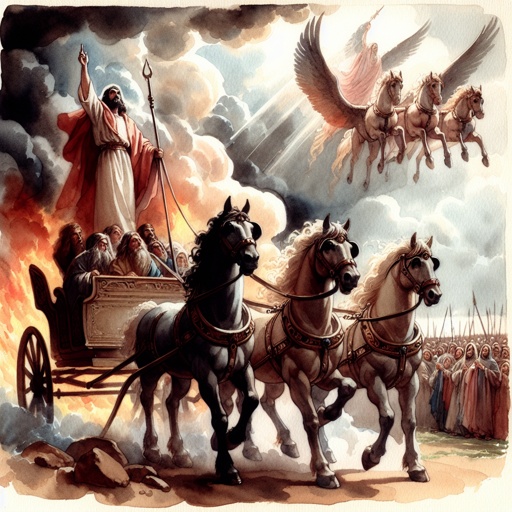
2 Kings 2:11
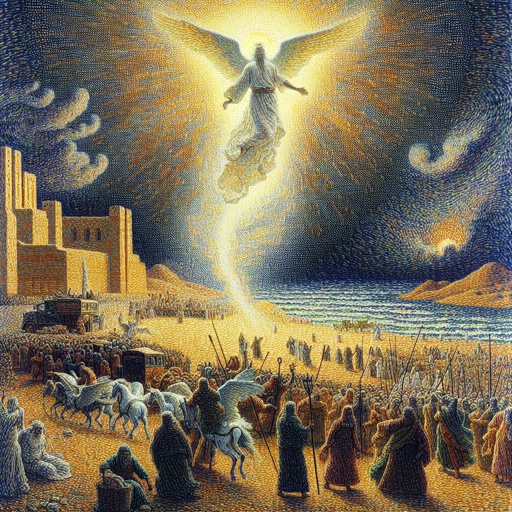
2 Kings 2:11
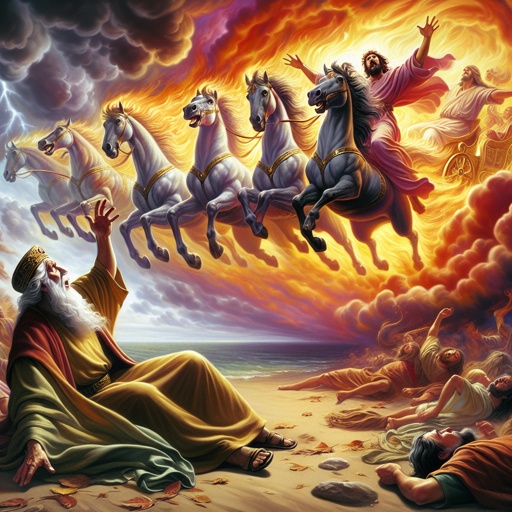
2 Kings 2:11

2 Kings 11:8 - "And ye shall compass the king round about, every man with his weapons in his hand: and he that cometh within the ranges, let him be slain: and be ye with the king as he goeth out and as he cometh in."

2 KINGS 8:29

2 Kings 15:11 - "And the rest of the acts of Zachariah, behold, they are written in the book of the chronicles of the kings of Israel."

2 Kings 8:23 - "And the rest of the acts of Joram, and all that he did, are they not written in the book of the chronicles of the kings of Judah?"

2 Kings 7:11 - "And he called the porters; and they told it to the king's house within."

1 Kings 11:8 - "And likewise did he for all his strange wives, which burnt incense and sacrificed unto their gods."

1 Kings 8:11 - "So that the priests could not stand to minister because of the cloud: for the glory of the LORD had filled the house of the LORD."

2 Chronicles 11:8 - "And Gath, and Mareshah, and Ziph,"

Matthew 11:8 - "But what went ye out for to see? A man clothed in soft raiment? behold, they that wear soft clothing are in kings' houses."

2 Kings 2:11 – "As they were walking along and talking together, suddenly a chariot of fire and horses of fire appeared."

2 Kings 13:8 - "¶ Now the rest of the acts of Jehoahaz, and all that he did, and his might, are they not written in the book of the chronicles of the kings of Israel?"

1 Kings 8:10-11 – "When the priests withdrew from the Holy Place, the cloud filled the temple of the Lord."

Romans 8:11

2 Kings 11:21 - "Seven years old was Jehoash when he began to reign."

2 Kings 24:11 - "And Nebuchadnezzar king of Babylon came against the city, and his servants did besiege it."

2 Kings 17:8 - "And walked in the statutes of the heathen, whom the LORD cast out from before the children of Israel, and of the kings of Israel, which they had made."

2 Kings 8:18 - "And he walked in the way of the kings of Israel, as did the house of Ahab: for the daughter of Ahab was his wife: and he did evil in the sight of the LORD."

2 Kings 19:11 - "Behold, thou hast heard what the kings of Assyria have done to all lands, by destroying them utterly: and shalt thou be delivered?"

2 Kings 4:11 - "And it fell on a day, that he came thither, and he turned into the chamber, and lay there."

Psalm 80:8-11

Joshua 11:2 - "And to the kings that were on the north of the mountains, and of the plains south of Chinneroth, and in the valley, and in the borders of Dor on the west,"

2 Kings 11:20 - "And all the people of the land rejoiced, and the city was in quiet: and they slew Athaliah with the sword beside the king's house."

2 Kings 11:11 - "And the guard stood, every man with his weapons in his hand, round about the king, from the right corner of the temple to the left corner of the temple, along by the altar and the temple."

2 Kings 8:8 - "And the king said unto Hazael, Take a present in thine hand, and go, meet the man of God, and enquire of the LORD by him, saying, Shall I recover of this disease?"

2 Kings 12:8 - "And the priests consented to receive no more money of the people, neither to repair the breaches of the house."