What does 2 Kings 3:27 mean?
"Then he took his eldest son that should have reigned in his stead, and offered him for a burnt offering upon the wall. And there was great indignation against Israel: and they departed from him, and returned to their own land." - 2 Kings 3:27
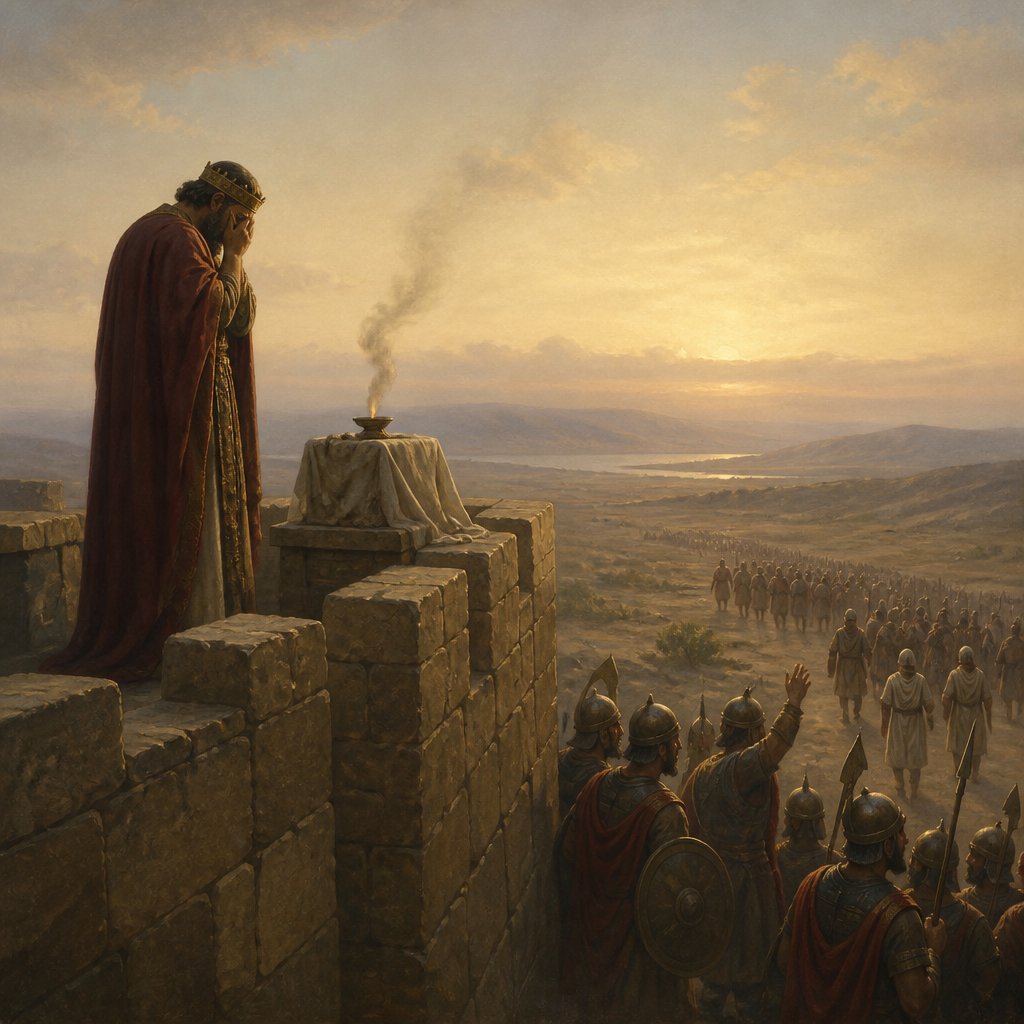
The Bible verse 2 Kings 3:27 states, "Then he took his eldest son that should have reigned in his stead, and offered him for a burnt offering upon the wall. And there was great indignation against Israel: and they departed from him, and returned to their own land."
To understand this verse in its full context, we must first look at the larger story of 2 Kings 3. In this chapter, we find the story of Jehoram, the son of Ahab, who becomes the king of Israel after his father's death. Jehoram was an evil king, and the chapter begins with the description of his wickedness. He seeks help from Jehoshaphat, the king of Judah, to fight against the Moabites, who had stopped paying tribute to Israel. Jehoshaphat agrees to help, and they set out to attack the Moabites.
As they march through the desert, they run out of water, and they seek the help of Elisha, the prophet. Elisha tells them that God will provide water for them, and sure enough, the next day, water comes, and the armies are able to drink. God also gives them victory in battle, and they defeat the Moabites.
It is in the aftermath of this victory that we encounter the verse in question. The Moabite king, in a desperate act of retaliation, offers his own son as a burnt offering on the city wall. This horrifying act brings great indignation against Israel, and the Israelites depart and return to their own land.
This verse is disturbing and difficult to understand. The act of child sacrifice is abhorrent and is condemned throughout the Bible. The offering of the king's son as a burnt offering was a demonstration of the Moabite king's extreme desperation and the depths of his despair. It also demonstrates the power of ancient pagan religious practices and the extreme measures people would resort to in the midst of war.
In a broader sense, this verse also serves as a warning about the consequences of disobedience and turning away from God. Throughout the Old Testament, we see the Israelites facing the consequences of their sin and rebellion against God. In this case, the Moabite king's actions bring about God's judgment, and the Israelites are forced to depart from the land.
In terms of symbolism, this verse could be seen as a representation of the ultimate sacrifice that God would make for humanity. In offering his son, the Moabite king is making a terrible and misguided attempt to secure victory. In contrast, God offers his own Son, Jesus Christ, as the ultimate sacrifice for the sins of humanity. This act of sacrifice brings about victory over sin and death and demonstrates God's great love for his people.
Overall, 2 Kings 3:27 is a challenging and difficult verse to grapple with. It serves as a stark reminder of the consequences of sin and the extreme measures people will resort to in times of desperation. It also points us towards the ultimate sacrifice of Jesus Christ and the victory that his death and resurrection bring. As we reflect on this verse, we are reminded of the importance of obedience to God and the incredible love and grace that he has shown towards us.
Have questions about 2 Kings 3:27?
Dive deeper into this scripture with Bible Chat — an AI-powered tool for exploring God's Word through conversation. Ask questions, get context, and grow in your understanding of the Bible.
Get Our Apps


2 Kings 3:27 Artwork

2 Kings 3:27 - "Then he took his eldest son that should have reigned in his stead, and offered him for a burnt offering upon the wall. And there was great indignation against Israel: and they departed from him, and returned to their own land."
"Then he took his eldest son that should have reigned in his stead, and offered him for a burnt offering upon the wall. And there was great indignation against Israel: and they departed from him, and returned to their own land." - 2 Kings 3:27

1 Kings 3:27 - "Then the king answered and said, Give her the living child, and in no wise slay it: she is the mother thereof."

2 Kings 3:15

2 Kings 3:15

2 Kings 3:15

2 Kings 3:16-19

Psalm 27:2-3

2 Chronicles 35:27 - "And his deeds, first and last, behold, they are written in the book of the kings of Israel and Judah."

Jehoiachin is released from Babylonian jail 2 kings 25: 27

2 Kings 19:27 - "But I know thy abode, and thy going out, and thy coming in, and thy rage against me."

2 Kings 10:27 - "And they brake down the image of Baal, and brake down the house of Baal, and made it a draught house unto this day."
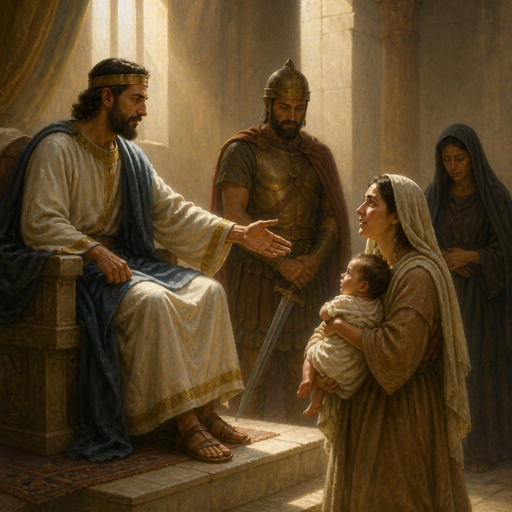
"Then the king answered and said, Give her the living child, and in no wise slay it: she is the mother thereof." - 1 Kings 3:27

2 Kings 3:10 - "And the king of Israel said, Alas! that the LORD hath called these three kings together, to deliver them into the hand of Moab!"

2 Chronicles 27:7 - "¶ Now the rest of the acts of Jotham, and all his wars, and his ways, lo, they are written in the book of the kings of Israel and Judah."

1Esdy 2:27 (KJVA) 27 And the men therein were given to rebellion and war: and that mighty kings and fierce were in Jerusalem, who reigned and exacted tributes in Celosyria and Phenice.

2 Kings 3:23 - "And they said, This is blood: the kings are surely slain, and they have smitten one another: now therefore, Moab, to the spoil."

2 Kings 6:27 - "And he said, If the LORD do not help thee, whence shall I help thee? out of the barnfloor, or out of the winepress?"

2 Kings 15:27 - "¶ In the two and fiftieth year of Azariah king of Judah Pekah the son of Remaliah began to reign over Israel in Samaria, and reigned twenty years."

2 Kings 3:6 - "¶ And king Jehoram went out of Samaria the same time, and numbered all Israel."

2 Chronicles 27:3 - "He built the high gate of the house of the LORD, and on the wall of Ophel he built much."

2 Kings 8:27 - "And he walked in the way of the house of Ahab, and did evil in the sight of the LORD, as did the house of Ahab: for he was the son in law of the house of Ahab."

2 Kings 3:16 - "And he said, Thus saith the LORD, Make this valley full of ditches."

2 Kings 14:27 - "And the LORD said not that he would blot out the name of Israel from under heaven: but he saved them by the hand of Jeroboam the son of Joash."

2 Kings 3:3 - "Nevertheless he cleaved unto the sins of Jeroboam the son of Nebat, which made Israel to sin; he departed not therefrom."

2 Kings 3:5 - "But it came to pass, when Ahab was dead, that the king of Moab rebelled against the king of Israel."

2 Kings 5:27 - "The leprosy therefore of Naaman shall cleave unto thee, and unto thy seed for ever. And he went out from his presence a leper as white as snow."

2 Chronicles 28:27 - "And Ahaz slept with his fathers, and they buried him in the city, even in Jerusalem: but they brought him not into the sepulchres of the kings of Israel: and Hezekiah his son reigned in his stead."

2 Kings 3:18 - "And this is but a light thing in the sight of the LORD: he will deliver the Moabites also into your hand."

2 Kings 25:3 - "And on the ninth day of the fourth month the famine prevailed in the city, and there was no bread for the people of the land."