What does 2 Kings 24:7 mean?
"And the king of Egypt came not again any more out of his land: for the king of Babylon had taken from the river of Egypt unto the river Euphrates all that pertained to the king of Egypt." - 2 Kings 24:7
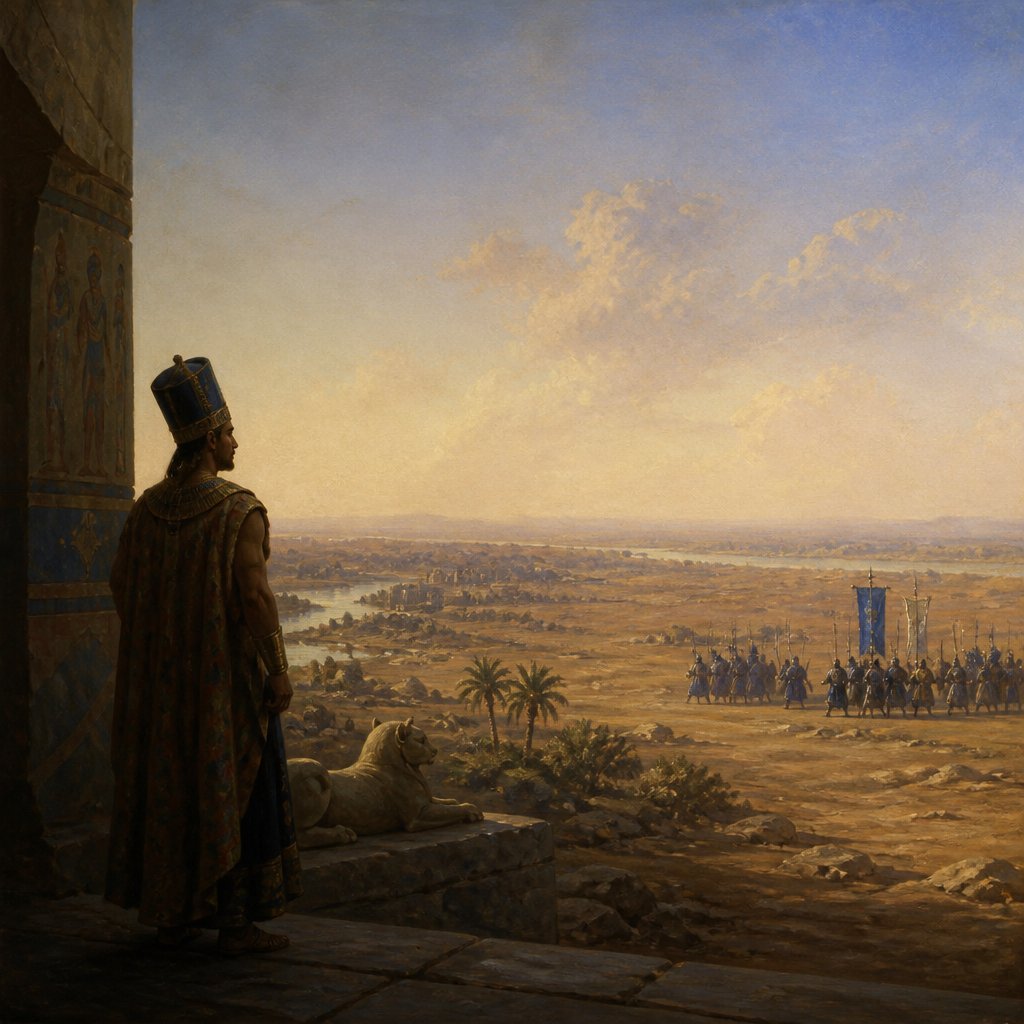
2 Kings 24:7 (KJV) states, "And the king of Egypt came not again any more out of his land: for the king of Babylon had taken from the river of Egypt unto the river Euphrates all that pertained to the king of Egypt."
This verse comes from the historical and prophetic book of 2 Kings, which chronicles the reigns of various kings of Israel and Judah. In this particular verse, the focus is on the king of Egypt and his conflict with the king of Babylon.
To fully understand the context and significance of this verse, it is important to have some background knowledge of the historical events that were taking place at the time. During the reign of King Jehoiakim of Judah, there was conflict and political turmoil in the surrounding region. The Babylonians, under the leadership of King Nebuchadnezzar, were expanding their empire and exerting their influence over neighboring kingdoms, including Egypt and Judah.
In this verse, we see the king of Egypt retreating and not coming out of his land again, because the king of Babylon had conquered and taken possession of all the land that had previously belonged to Egypt. This demonstrates the power and authority that the Babylonians had over the surrounding nations, including Egypt. The river of Egypt and the river Euphrates represent the boundaries of the land that was taken, symbolizing the extent of the Babylonian conquest.
One of the central themes of this verse is the sovereignty of God and His control over the events of history. The rise and fall of kingdoms and the actions of earthly kings are all subject to the divine will of God. The conquest of Egypt by Babylon was not simply the result of political maneuvering or military might, but rather it was ultimately part of God's plan and purpose for the nations of the earth.
The conflict between Babylon and Egypt also serves as a cautionary tale about the dangers of relying on human power and alliances rather than trusting in God. Egypt, a powerful and influential kingdom, was ultimately unable to withstand the might of Babylon. This serves as a reminder that earthly kingdoms and rulers are temporary and subject to change, while God's kingdom is eternal and unshakable.
Symbolically, the rivers mentioned in the verse can also be interpreted as representing the boundaries and limits of human influence and power. The river of Egypt and the river Euphrates mark the extent of the land that the kings of Egypt and Babylon could control. However, these earthly boundaries are ultimately subservient to the greater authority and dominion of God.
In a broader sense, this verse can also serve as a reminder of the consequences of disobedience and rebellion against God. The downfall of Egypt and the conquest by Babylon can be seen as a result of the nations straying from God's divine will and instead relying on their own strength and worldly alliances.
In conclusion, 2 Kings 24:7 provides a historical account of the conflict between the kings of Egypt and Babylon, while also conveying important theological and symbolic themes. It serves as a reminder of God's sovereignty over the nations of the earth, the temporal nature of earthly kingdoms, and the consequences of trusting in human strength rather than divine providence. Ultimately, this verse highlights the importance of submitting to God's will and recognizing His authority over all the affairs of the world.
Have questions about 2 Kings 24:7?
Dive deeper into this scripture with Bible Chat — an AI-powered tool for exploring God's Word through conversation. Ask questions, get context, and grow in your understanding of the Bible.
Get Our Apps


2 Kings 24:7 Artwork
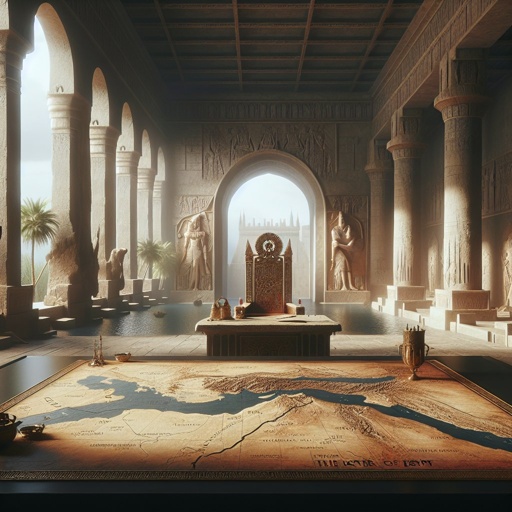
2 Kings 24:7 - "And the king of Egypt came not again any more out of his land: for the king of Babylon had taken from the river of Egypt unto the river Euphrates all that pertained to the king of Egypt."
"And the king of Egypt came not again any more out of his land: for the king of Babylon had taken from the river of Egypt unto the river Euphrates all that pertained to the king of Egypt." - 2 Kings 24:7

2 kings 6:24

2 Kings 7:2

2 Kings 24:5 - "¶ Now the rest of the acts of Jehoiakim, and all that he did, are they not written in the book of the chronicles of the kings of Judah?"

Daniel 7:24 - "And the ten horns out of this kingdom are ten kings that shall arise: and another shall rise after them; and he shall be diverse from the first, and he shall subdue three kings."

2 Kings 24:10 - "¶ At that time the servants of Nebuchadnezzar king of Babylon came up against Jerusalem, and the city was besieged."

2 Kings 24:11 - "And Nebuchadnezzar king of Babylon came against the city, and his servants did besiege it."

2 Kings 24:6 - "So Jehoiakim slept with his fathers: and Jehoiachin his son reigned in his stead."

2 Kings 24:1 - "In his days Nebuchadnezzar king of Babylon came up, and Jehoiakim became his servant three years: then he turned and rebelled against him."

2 Kings 13:24 - "So Hazael king of Syria died; and Ben-hadad his son reigned in his stead."

2 Kings 24:9 - "And he did that which was evil in the sight of the LORD, according to all that his father had done."

2 Kings 24:19 - "And he did that which was evil in the sight of the LORD, according to all that Jehoiakim had done."

2 Kings 7:11 - "And he called the porters; and they told it to the king's house within."

2 Kings 7:7 - "Wherefore they arose and fled in the twilight, and left their tents, and their horses, and their asses, even the camp as it was, and fled for their life."

2 Kings 24:17 - "¶ And the king of Babylon made Mattaniah his father's brother king in his stead, and changed his name to Zedekiah."

1 Kings 7:24 - "And under the brim of it round about there were knops compassing it, ten in a cubit, compassing the sea round about: the knops were cast in two rows, when it was cast."

2 Kings 6:24 - "¶ And it came to pass after this, that Ben-hadad king of Syria gathered all his host, and went up, and besieged Samaria."

2 Kings 2:7 - "And fifty men of the sons of the prophets went, and stood to view afar off: and they two stood by Jordan."

2 Kings 24:4 - "And also for the innocent blood that he shed: for he filled Jerusalem with innocent blood; which the LORD would not pardon."

Daniel 7:24 As for the ten horns, out of this kingdom ten kings shall arise, and another shall arise after them; he shall be different from the former ones, and shall put down three kings.

"And Nebuchadnezzar king of Babylon came against the city, and his servants did besiege it." - 2 Kings 24:11

2 Kings 2:24 - "And he turned back, and looked on them, and cursed them in the name of the LORD. And there came forth two she bears out of the wood, and tare forty and two children of them."

2 Kings 8:24 - "And Joram slept with his fathers, and was buried with his fathers in the city of David: and Ahaziah his son reigned in his stead."

Deuteronomy 7:24 - "And he shall deliver their kings into thine hand, and thou shalt destroy their name from under heaven: there shall no man be able to stand before thee, until thou have destroyed them."

2 Kings 24:3 - "Surely at the commandment of the LORD came this upon Judah, to remove them out of his sight, for the sins of Manasseh, according to all that he did;"

2 Kings 25:24 - "And Gedaliah sware to them, and to their men, and said unto them, Fear not to be the servants of the Chaldees: dwell in the land, and serve the king of Babylon; and it shall be well with you."

2 Kings 21:24 - "And the people of the land slew all them that had conspired against king Amon; and the people of the land made Josiah his son king in his stead."

2 Kings 22:7 - "Howbeit there was no reckoning made with them of the money that was delivered into their hand, because they dealt faithfully."

2 Kings 20:7 - "And Isaiah said, Take a lump of figs. And they took and laid it on the boil, and he recovered."