What does 2 Kings 24:14 mean?
"And he carried away all Jerusalem, and all the princes, and all the mighty men of valour, even ten thousand captives, and all the craftsmen and smiths: none remained, save the poorest sort of the people of the land." - 2 Kings 24:14
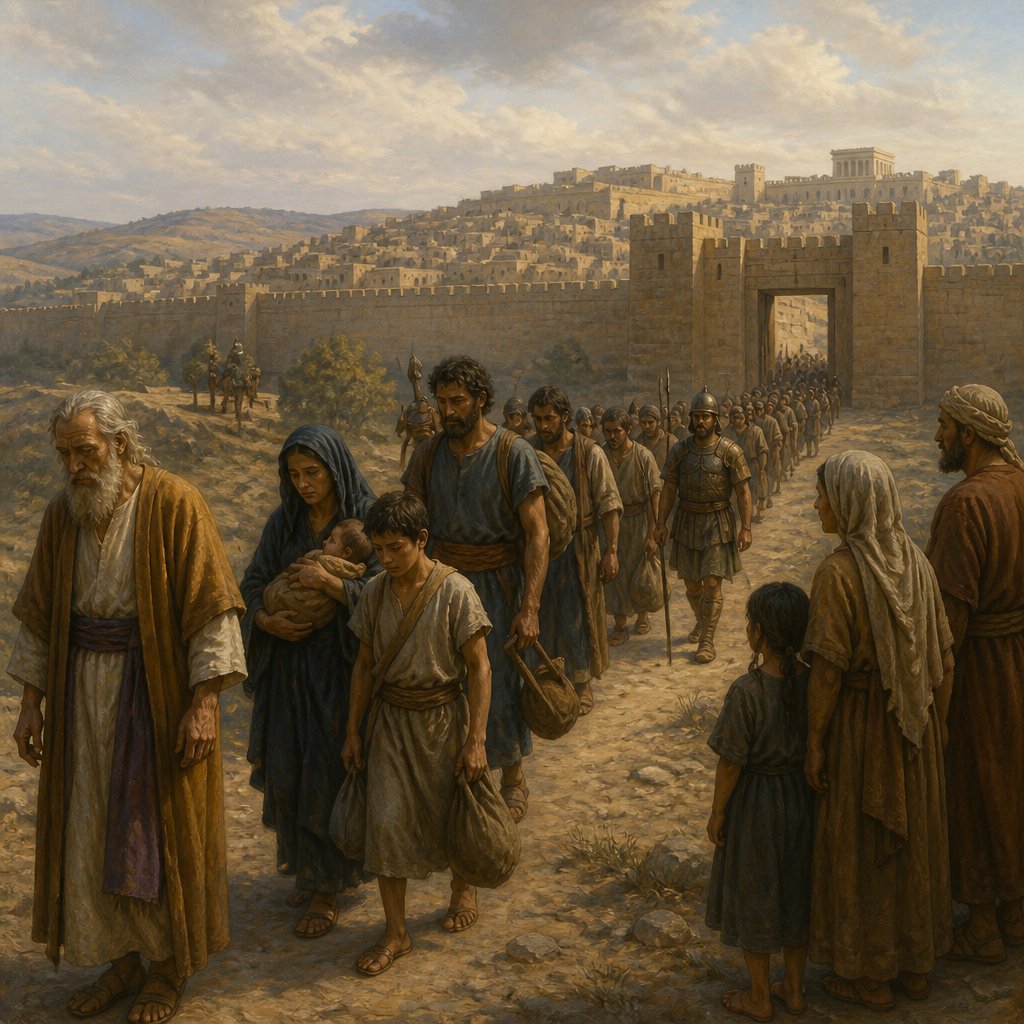
The Bible verse 2 Kings 24:14 in the King James Version reads, "And he carried away all Jerusalem, and all the princes, and all the mighty men of valour, even ten thousand captives, and all the craftsmen and smiths: none remained, save the poorest sort of the people of the land." This verse comes from a passage in the Old Testament that describes the capture and exile of the people of Judah by the Babylonian king Nebuchadnezzar.
To understand the deeper meaning and significance of this verse, it is important to consider the historical and cultural context in which it was written. The book of 2 Kings is part of the historical books of the Bible and is believed to have been written by the prophet Jeremiah. It covers the period from the reign of King Solomon to the fall of Jerusalem and the exile of the people of Judah to Babylon. The events described in this verse took place during the reign of King Jehoiachin of Judah, who reigned for only three months before he was taken captive by Nebuchadnezzar.
The verse depicts the devastating consequences of the Babylonian invasion of Judah. The Babylonians not only captured the city of Jerusalem but also took thousands of its inhabitants into exile. The reference to "all the princes, and all the mighty men of valour" highlights the fact that the Babylonians targeted the most influential and powerful members of society, effectively crippling the leadership and leaving the nation in a state of chaos and vulnerability. Additionally, the capture of "all the craftsmen and smiths" demonstrates the Babylonians' desire to deplete the land of its skilled workers, further weakening the economic and social fabric of Judah.
One of the central themes of this verse is the consequences of disobedience and rebellion against God. Throughout the Old Testament, God's people are repeatedly warned of the consequences of turning away from Him and failing to follow His commandments. The capture and exile of the people of Judah can be seen as a direct result of their disobedience and idolatry, as God allowed the Babylonians to conquer them as a means of punishment and discipline. This theme serves as a sobering reminder of the importance of obedience and faithfulness to God in the lives of His people.
The verse also highlights the plight of the poorest members of society, who were left behind in the land of Judah. While the influential and skilled individuals were taken into captivity, those who were considered the "poorest sort" were left to endure the devastation and upheaval that followed the Babylonian invasion. This serves as a powerful reminder of the social and economic impact of war and conquest, and the disproportionate effect it often has on the most vulnerable members of society.
In addition to its historical and thematic significance, this verse can also be interpreted symbolically. The capture of Jerusalem and the exile of its people can be seen as a metaphor for the spiritual captivity and exile that occurs when God's people turn away from Him. The Babylonian conquest serves as a warning of the destructive consequences of sin and the importance of remaining faithful to God.
In conclusion, 2 Kings 24:14 is a poignant and sobering reminder of the consequences of disobedience, the impact of war and conquest on society, and the importance of remaining faithful to God. It serves as a powerful historical account and a timeless lesson that continues to resonate with readers today. As with all passages of scripture, it is important to approach this verse with reverence and humility, seeking to understand and apply its teachings to our lives.
Have questions about 2 Kings 24:14?
Dive deeper into this scripture with Bible Chat — an AI-powered tool for exploring God's Word through conversation. Ask questions, get context, and grow in your understanding of the Bible.
Get Our Apps


2 Kings 24:14 Artwork

2 Kings 24:14 - "And he carried away all Jerusalem, and all the princes, and all the mighty men of valour, even ten thousand captives, and all the craftsmen and smiths: none remained, save the poorest sort of the people of the land."
"And he carried away all Jerusalem, and all the princes, and all the mighty men of valour, even ten thousand captives, and all the craftsmen and smiths: none remained, save the poorest sort of the people of the land." - 2 Kings 24:14

2 Kings 14:24 - "And he did that which was evil in the sight of the LORD: he departed not from all the sins of Jeroboam the son of Nebat, who made Israel to sin."

2 kings 6:24

2 Kings 24:5 - "¶ Now the rest of the acts of Jehoiakim, and all that he did, are they not written in the book of the chronicles of the kings of Judah?"

2 Kings 14:18 - "And the rest of the acts of Amaziah, are they not written in the book of the chronicles of the kings of Judah?"

2 Kings 24:10 - "¶ At that time the servants of Nebuchadnezzar king of Babylon came up against Jerusalem, and the city was besieged."

2 Kings 24:11 - "And Nebuchadnezzar king of Babylon came against the city, and his servants did besiege it."

1 Kings 14:24 - "And there were also sodomites in the land: and they did according to all the abominations of the nations which the LORD cast out before the children of Israel."

2 Kings 24:6 - "So Jehoiakim slept with his fathers: and Jehoiachin his son reigned in his stead."

2 Kings 14:29 - "And Jeroboam slept with his fathers, even with the kings of Israel; and Zachariah his son reigned in his stead."

2 Kings 24:1 - "In his days Nebuchadnezzar king of Babylon came up, and Jehoiakim became his servant three years: then he turned and rebelled against him."

2 Kings 12:14 - "But they gave that to the workmen, and repaired therewith the house of the LORD."

2 Kings 13:24 - "So Hazael king of Syria died; and Ben-hadad his son reigned in his stead."

2 Kings 14:16 - "And Jehoash slept with his fathers, and was buried in Samaria with the kings of Israel; and Jeroboam his son reigned in his stead."

2 Kings 24:9 - "And he did that which was evil in the sight of the LORD, according to all that his father had done."

Genesis 14:17–24 tells the story of a meeting between Abram and two kings. Returning as the victor after having defeated the eastern kings and recapturing all their plunder, Abram is met by the king of Sodom and by Melchizedek, the mysterious king of Salem.

2 Kings 24:19 - "And he did that which was evil in the sight of the LORD, according to all that Jehoiakim had done."

2 Kings 14:14 - "And he took all the gold and silver, and all the vessels that were found in the house of the LORD, and in the treasures of the king's house, and hostages, and returned to Samaria."

2 Kings 24:17 - "¶ And the king of Babylon made Mattaniah his father's brother king in his stead, and changed his name to Zedekiah."

2 Kings 14:22 - "He built Elath, and restored it to Judah, after that the king slept with his fathers."
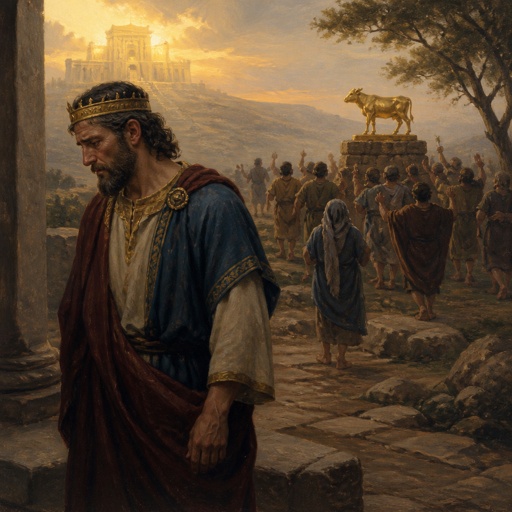
"And he did that which was evil in the sight of the LORD: he departed not from all the sins of Jeroboam the son of Nebat, who made Israel to sin." - 2 Kings 14:24

2 Kings 6:24 - "¶ And it came to pass after this, that Ben-hadad king of Syria gathered all his host, and went up, and besieged Samaria."

2 Kings 14:12 - "And Judah was put to the worse before Israel; and they fled every man to their tents."
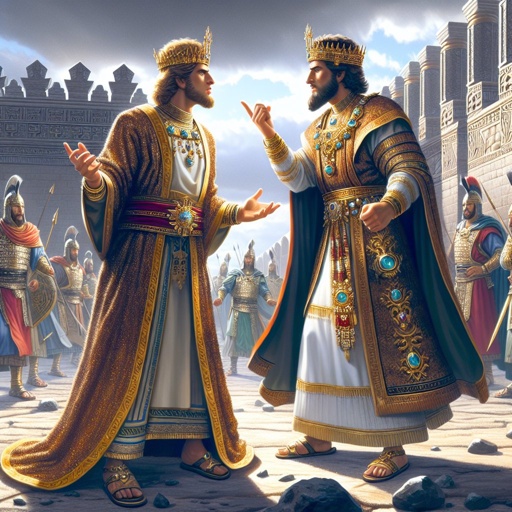
2 Kings 14:15 - "¶ Now the rest of the acts of Jehoash which he did, and his might, and how he fought with Amaziah king of Judah, are they not written in the book of the chronicles of the kings of Israel?"

2 Kings 24:4 - "And also for the innocent blood that he shed: for he filled Jerusalem with innocent blood; which the LORD would not pardon."

2 Kings 14:20 - "And they brought him on horses: and he was buried at Jerusalem with his fathers in the city of David."

"And the rest of the acts of Amaziah, are they not written in the book of the chronicles of the kings of Judah?" - 2 Kings 14:18

"And Nebuchadnezzar king of Babylon came against the city, and his servants did besiege it." - 2 Kings 24:11

2 Kings 2:24 - "And he turned back, and looked on them, and cursed them in the name of the LORD. And there came forth two she bears out of the wood, and tare forty and two children of them."