What does 2 Kings 1:17 mean?
"¶ So he died according to the word of the LORD which Elijah had spoken. And Jehoram reigned in his stead in the second year of Jehoram the son of Jehoshaphat king of Judah; because he had no son." - 2 Kings 1:17

2 Kings 1:17 (KJV) reads, "So he died according to the word of the Lord which Elijah had spoken. And Jehoram reigned in his stead in the second year of Jehoram the son of Jehoshaphat king of Judah; because he had no son."
This verse is a part of the Old Testament, specifically in the historical books of the Bible. The book of 2 Kings follows the events of 1 Kings and continues the narrative of the kings of Israel and Judah. The passage tells the story of Ahaziah, the king of Israel, who fell ill and sought guidance from the pagan god Baal-Zebub, prompting Elijah to confront him about this idolatrous act. Verse 17 serves as a solemn reminder of the sovereignty of God and the fulfillment of His word through the prophet Elijah.
The immediate context of 2 Kings 1:17 is the culmination of the events surrounding the reign of Ahaziah and the prophetic ministry of Elijah. It serves as a pivotal moment in the narrative, marking the passing of the torch from one king to another and highlighting the consequences of the disobedience and idolatry of Ahaziah.
The verse is significant in several ways, particularly in its themes of divine judgment, the sovereignty of God, and the role of prophets in delivering God's message. It also underscores the importance of observing God's word and the consequences of straying from His commandments. The fulfillment of Elijah's prophecy regarding Ahaziah's death reinforces the authority and reliability of the prophetic word and the faithfulness of God in carrying out His decrees.
The mention of Jehoram assuming the throne following Ahaziah's death serves as a reminder of the succession of kings in Israel and Judah, as well as the establishment of dynastic rule within the Israelite monarchy. This transition of power also reflects the political and social dynamics of the ancient Near East, where the death or overthrow of a king often led to power struggles and succession conflicts.
The symbolism in 2 Kings 1:17 is evident in the contrast between the faithlessness of Ahaziah, who sought guidance from a pagan deity, and the faithfulness of Elijah, who was used by God to proclaim His judgment and fulfill His word. The verse also symbolizes the ongoing struggle between idolatry and true worship, as well as the enduring impact of divine judgment on the affairs of nations and individuals.
In a broader theological context, 2 Kings 1:17 points to the overarching narrative of God's redemptive plan for His people and the world. The passage serves as a cautionary tale about the consequences of forsaking God and turning to false gods, as well as a testament to the unwavering faithfulness of God in fulfilling His word and executing His justice.
In conclusion, 2 Kings 1:17 (KJV) encapsulates the themes of divine judgment, prophetic authority, and the sovereignty of God within the historical narrative of the Israelite monarchy. It underscores the significance of heeding God's word, remaining faithful to Him, and recognizing the consequences of disobedience. The verse also serves as a powerful demonstration of the profound impact of God's judgment on both individual lives and the course of history.
Have questions about 2 Kings 1:17?
Dive deeper into this scripture with Bible Chat — an AI-powered tool for exploring God's Word through conversation. Ask questions, get context, and grow in your understanding of the Bible.
Get Our Apps


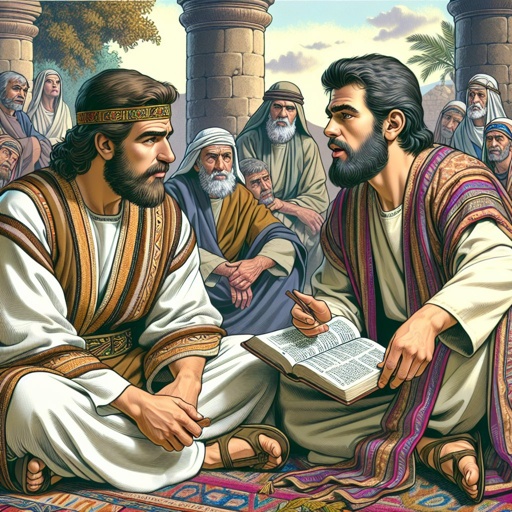
2 Kings 1:17 Artwork

2 Kings 1:17 - "¶ So he died according to the word of the LORD which Elijah had spoken. And Jehoram reigned in his stead in the second year of Jehoram the son of Jehoshaphat king of Judah; because he had no son."

"¶ So he died according to the word of the LORD which Elijah had spoken. And Jehoram reigned in his stead in the second year of Jehoram the son of Jehoshaphat king of Judah; because he had no son." - 2 Kings 1:17

2 Kings 1:7 - "And he said unto them, What manner of man was he which came up to meet you, and told you these words?"

1 Kings 17:2 - "And the word of the LORD came unto him, saying,"

2 Kings 17:1 - "In the twelfth year of Ahaz king of Judah began Hoshea the son of Elah to reign in Samaria over Israel nine years."

"And the word of the LORD came unto him, saying," - 1 Kings 17:2

2 Kings 17:2 - "And he did that which was evil in the sight of the LORD, but not as the kings of Israel that were before him."

2 Chronicles 1:17 - "And they fetched up, and brought forth out of Egypt a chariot for six hundred shekels of silver, and an horse for an hundred and fifty: and so brought they out horses for all the kings of the Hittites, and for the kings of Syria, by their means."

"And he said unto them, What manner of man was he which came up to meet you, and told you these words?" - 2 Kings 1:7

2 Kings 19:17 - "Of a truth, LORD, the kings of Assyria have destroyed the nations and their lands,"

1 Kings 2:17 - "And he said, Speak, I pray thee, unto Solomon the king, (for he will not say thee nay,) that he give me Abishag the Shunammite to wife."

1 Kings 4:17 - "Jehoshaphat the son of Paruah, in Issachar:"

2 Kings 17:40 - "Howbeit they did not hearken, but they did after their former manner."

1 Kings 21:17 - "¶ And the word of the LORD came to Elijah the Tishbite, saying,"

1 Kings 17:8 - "¶ And the word of the LORD came unto him, saying,"

1 Kings 6:17 - "And the house, that is, the temple before it, was forty cubits long."

2 Kings 17:8 - "And walked in the statutes of the heathen, whom the LORD cast out from before the children of Israel, and of the kings of Israel, which they had made."

2 Kings 21:17 - "¶ Now the rest of the acts of Manasseh, and all that he did, and his sin that he sinned, are they not written in the book of the chronicles of the kings of Judah?"

1 Kings 9:17 - "And Solomon built Gezer, and Beth-horon the nether,"

2 Kings 17:17 - "And they caused their sons and their daughters to pass through the fire, and used divination and enchantments, and sold themselves to do evil in the sight of the LORD, to provoke him to anger."

"And he did that which was evil in the sight of the LORD, but not as the kings of Israel that were before him." - 2 Kings 17:2

1 Kings 17:17 - "¶ And it came to pass after these things, that the son of the woman, the mistress of the house, fell sick; and his sickness was so sore, that there was no breath left in him."
1 Kings 1:7 - "And he conferred with Joab the son of Zeruiah, and with Abiathar the priest: and they following Adonijah helped him."

"Of a truth, LORD, the kings of Assyria have destroyed the nations and their lands," - 2 Kings 19:17

2 Kings 17:19 - "Also Judah kept not the commandments of the LORD their God, but walked in the statutes of Israel which they made."

2 Kings 17:5 - "¶ Then the king of Assyria came up throughout all the land, and went up to Samaria, and besieged it three years."

2 Kings 24:17 - "¶ And the king of Babylon made Mattaniah his father's brother king in his stead, and changed his name to Zedekiah."

2 Kings 1:1 - "Then Moab rebelled against Israel after the death of Ahab."

2 Kings 17:22 - "For the children of Israel walked in all the sins of Jeroboam which he did; they departed not from them;"

2 Kings 17:12 - "For they served idols, whereof the LORD had said unto them, Ye shall not do this thing."