What does 2 Kings 19:11 mean?
"Behold, thou hast heard what the kings of Assyria have done to all lands, by destroying them utterly: and shalt thou be delivered?" - 2 Kings 19:11
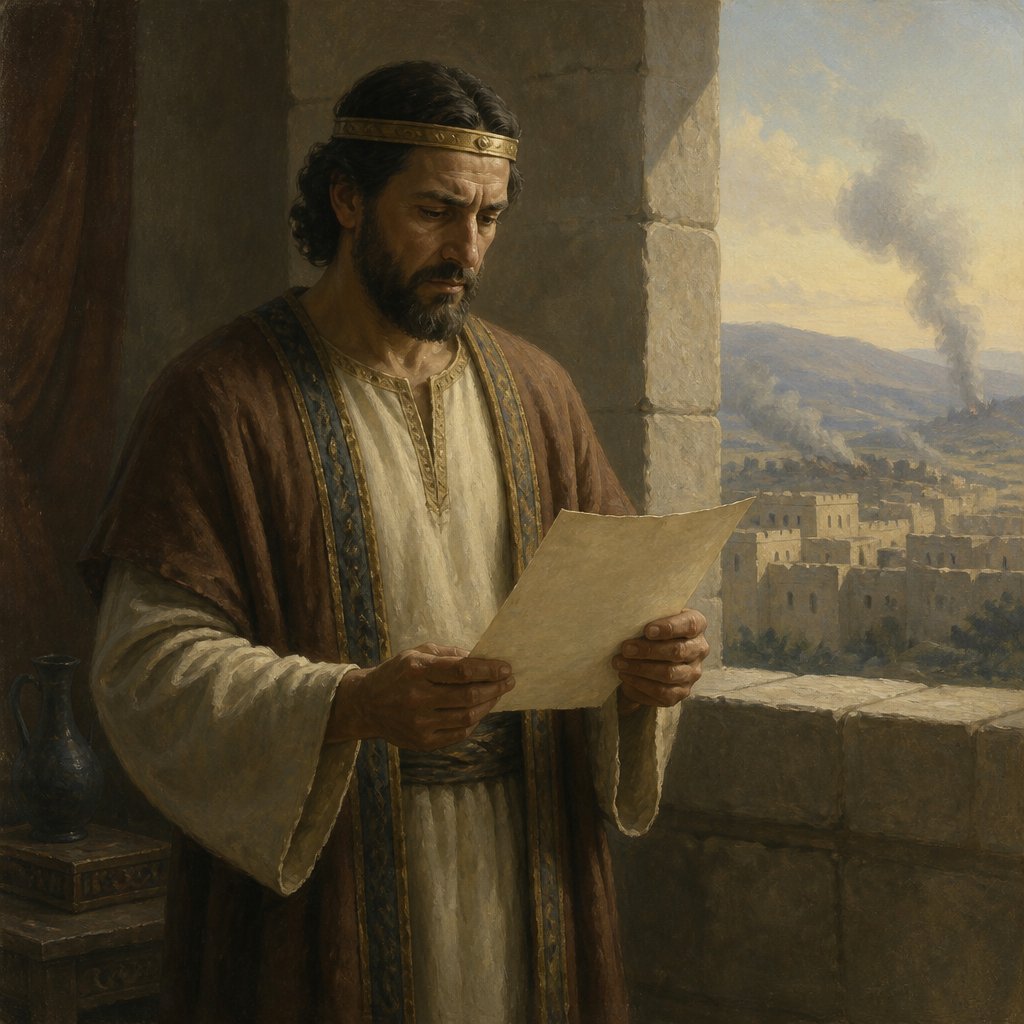
The verse 2 Kings 19:11 in the King James Version reads, "Behold, thou hast heard what the kings of Assyria have done to all lands, by destroying them utterly: and shalt thou be delivered?" This verse is part of a larger passage in which the Assyrian king, Sennacherib, sends a threatening letter to King Hezekiah of Judah, boasting of his conquests and warning Hezekiah not to trust in his God for deliverance.
The context of this verse is the tense and fearful situation that King Hezekiah and the people of Judah found themselves in. The Assyrian army, led by Sennacherib, had already conquered many nations and had now set its sights on Judah. Sennacherib had sent his emissaries to taunt and intimidate Hezekiah, attempting to instill fear and doubt in the hearts of the Judean people. The message was clear: resistance was futile, and there was no hope of deliverance.
This verse captures the essence of the Assyrian threat and the psychological warfare they waged against their enemies. The Assyrians were known for their brutality and ruthlessness in war, and they sought to strike fear into the hearts of their opponents. They boasted of their conquests, claiming that no other nation had been able to withstand their power and might. This verse reflects the arrogance and hubris of the Assyrian king, who believed himself to be invincible and beyond defeat.
The theme of this verse revolves around the concept of deliverance and the faith of the people in the face of overwhelming odds. Hezekiah and the people of Judah were confronted with the terrifying prospect of invasion and destruction, and they were being asked whether they truly believed that they could be delivered from the Assyrian threat. The verse raises questions about the nature of faith and trust in the midst of adversity and the willingness to rely on God's intervention.
The symbolism in this verse is evident in the contrast between the power of the Assyrian king and the faith of the Judean people. The Assyrians represented the forces of oppression, conquest, and arrogance, seeking to impose their will through fear and intimidation. In contrast, the Judean people represented faith, hope, and trust in their God, believing that deliverance was possible even in the face of overwhelming odds. The verse serves as a reminder of the spiritual and moral struggle between good and evil, and the ultimate triumph of faith over fear.
Ultimately, the story of Hezekiah's deliverance from the Assyrian threat is a testament to the power of faith and the intervention of God on behalf of His people. The story goes on to describe how Hezekiah prayed to God for deliverance, and God answered his prayer by sending an angel to destroy the Assyrian army, saving Judah from destruction.
In conclusion, 2 Kings 19:11 captures the tension and fear that characterized the situation faced by King Hezekiah and the people of Judah in the face of the Assyrian threat. The verse raises profound questions about faith, deliverance, and the struggle between good and evil, and serves as a powerful reminder of the ultimate triumph of faith over fear. It is a timeless message of hope and trust in the face of adversity, and a testament to the power of God's intervention on behalf of His people.
Have questions about 2 Kings 19:11?
Dive deeper into this scripture with Bible Chat — an AI-powered tool for exploring God's Word through conversation. Ask questions, get context, and grow in your understanding of the Bible.
Get Our Apps


2 Kings 19:11 Artwork

2 Kings 19:11 - "Behold, thou hast heard what the kings of Assyria have done to all lands, by destroying them utterly: and shalt thou be delivered?"
"Behold, thou hast heard what the kings of Assyria have done to all lands, by destroying them utterly: and shalt thou be delivered?" - 2 Kings 19:11

2 Kings 19:2

2 Kings 19:2

2 Kings 19:2

2 Kings 11:19 - "And he took the rulers over hundreds, and the captains, and the guard, and all the people of the land; and they brought down the king from the house of the LORD, and came by the way of the gate of the guard to the king's house. And he sat on the throne of the kings."

2 Kings 19:17 - "Of a truth, LORD, the kings of Assyria have destroyed the nations and their lands,"
2 Kings 2:11
2 Kings 2:11
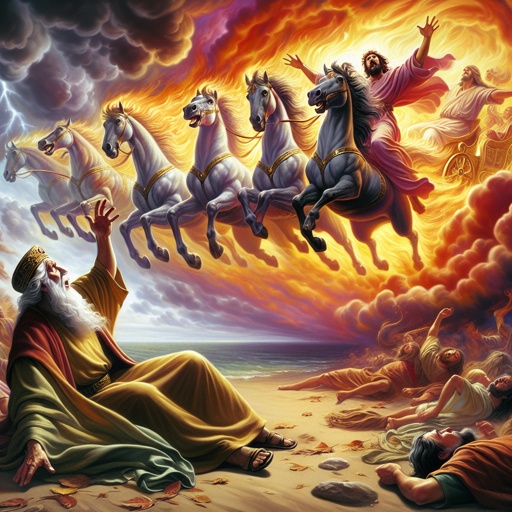
2 Kings 2:11

2 Kings 12:19 - "¶ And the rest of the acts of Joash, and all that he did, are they not written in the book of the chronicles of the kings of Judah?"

2 Kings 3:16-19

2 Kings 16:19 - "¶ Now the rest of the acts of Ahaz which he did, are they not written in the book of the chronicles of the kings of Judah?"

2 Kings 19:5 - "So the servants of king Hezekiah came to Isaiah."

2 Kings 15:11 - "And the rest of the acts of Zachariah, behold, they are written in the book of the chronicles of the kings of Israel."

2 Kings 19:36 - "So Sennacherib king of Assyria departed, and went and returned, and dwelt at Nineveh."

2 Kings 19:13 - "Where is the king of Hamath, and the king of Arpad, and the king of the city of Sepharvaim, of Hena, and Ivah?"

1 Kings 19:11-12 – "The Lord said, 'Go out and stand on the mountain in the presence of the Lord, for the Lord is about to pass by.'"

1 Kings 19:11-12 – "The Lord said, 'Go out and stand on the mountain in the presence of the Lord, for the Lord is about to pass by.'"

2 Kings 7:11 - "And he called the porters; and they told it to the king's house within."

2 Chronicles 11:19 - "Which bare him children; Jeush, and Shamariah, and Zaham."

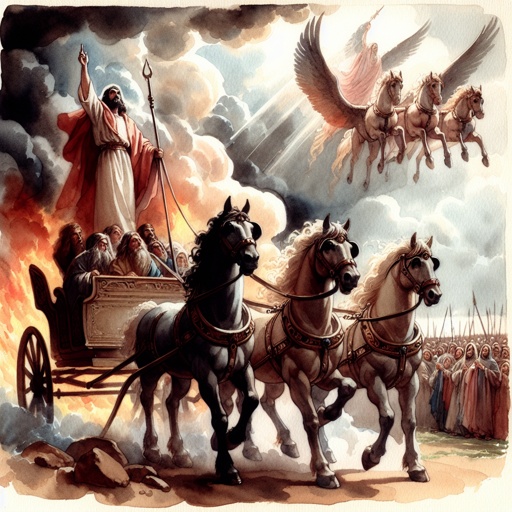
2 Kings 2:11 – "As they were walking along and talking together, suddenly a chariot of fire and horses of fire appeared."

1 Kings 11:19 - "And Hadad found great favour in the sight of Pharaoh, so that he gave him to wife the sister of his own wife, the sister of Tahpenes the queen."

2 Corinthians 11:19 - "For ye suffer fools gladly, seeing ye yourselves are wise."

2 Kings 19:2 - "And he sent Eliakim, which was over the household, and Shebna the scribe, and the elders of the priests, covered with sackcloth, to Isaiah the prophet the son of Amoz."

2 Kings 19:34 - "For I will defend this city, to save it, for mine own sake, and for my servant David's sake."

"Of a truth, LORD, the kings of Assyria have destroyed the nations and their lands," - 2 Kings 19:17

2 Kings 11:21 - "Seven years old was Jehoash when he began to reign."

2 Kings 24:11 - "And Nebuchadnezzar king of Babylon came against the city, and his servants did besiege it."

2 Kings 24:19 - "And he did that which was evil in the sight of the LORD, according to all that Jehoiakim had done."