What does 2 Kings 17:33 mean?
"They feared the LORD, and served their own gods, after the manner of the nations whom they carried away from thence." - 2 Kings 17:33
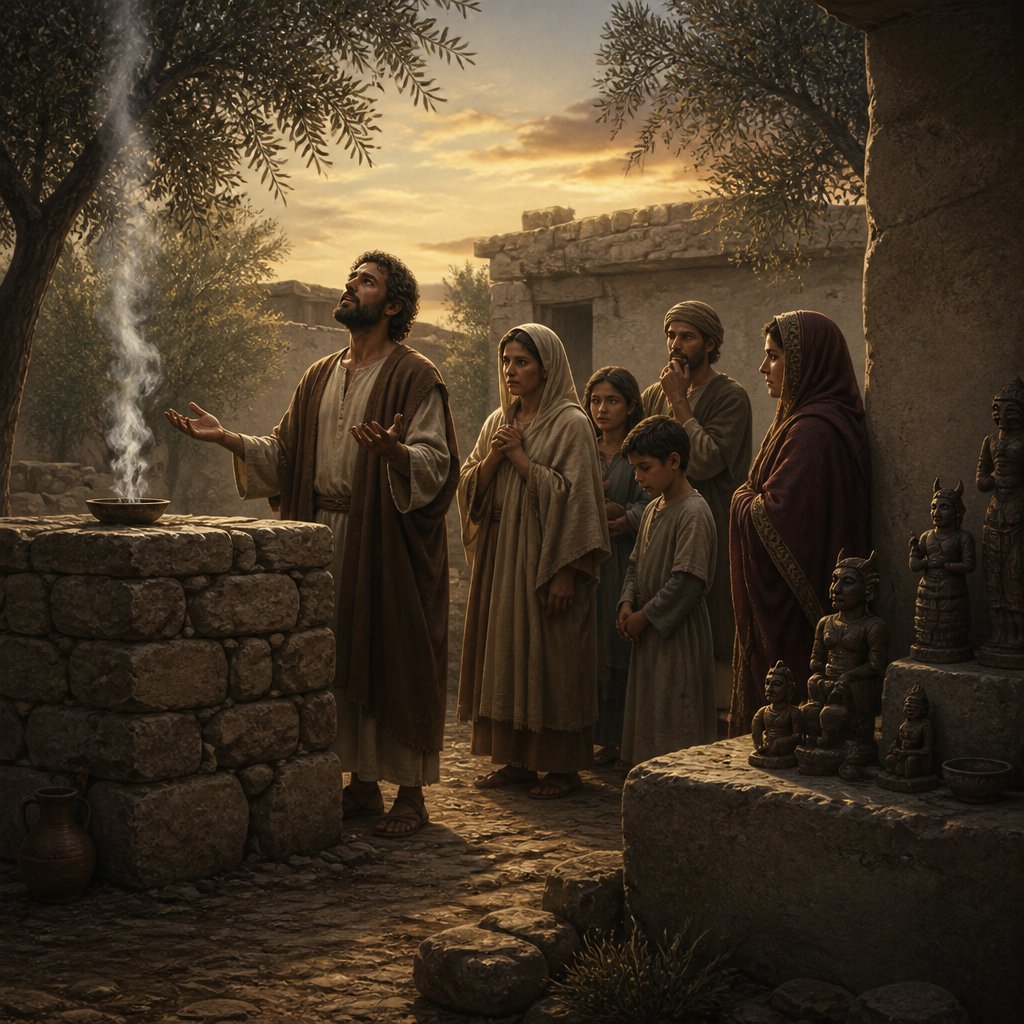
Please note that the King James Version (KJV) includes verse 33 as follows: "They feared the Lord, and served their own gods, after the manner of the nations whom they carried away from thence."
The verse 2 Kings 17:33 serves as a crucial point in the narrative of the Israelites' history, particularly in the context of their disobedience to God's commandments and the consequent exile. This verse is part of the larger narrative in 2 Kings 17, which recounts the fall of the northern kingdom of Israel and the reasons behind it.
In the preceding verses, we learn that the people of Israel, under the reign of King Hoshea, were carried away into exile by the Assyrians because they had sinned against the Lord. This sin is explicitly stated as the people's idolatry and refusal to follow the commandments of the Lord. The verse 33 further elucidates this fact by stating that despite the fear of the Lord, the people of Israel still served their own gods in the manner of the nations from which they were taken.
One of the predominant themes in this verse is the idea of spiritual hypocrisy and the consequences of such behavior. The people of Israel were outwardly demonstrating a fear of the Lord, which could be seen as an acknowledgment of His sovereignty and power. However, this fear did not translate into the exclusive worship and obedience to the Lord. Instead, they continued to serve their own gods, completely disregarding the commandments and covenant that the Lord had established with them. This dichotomy of serving both the Lord and foreign gods is a clear exhibition of spiritual hypocrisy and a lack of true devotion to God.
Furthermore, the verse also reflects the sinful nature of the Israelites in clinging to the traditions and practices of the nations from which they were taken. Despite being a chosen people and having a covenant with the Lord, they were swayed by the customs and beliefs of those around them. This reflects a lack of faith and commitment to their unique identity as the people of God, leading to their disobedience and eventual exile.
Symbolically, the verse can be seen as a representation of the struggle between faithfulness and idolatry, which is a prevalent theme throughout the Bible. The people's simultaneous fear of the Lord and devotion to foreign gods can be seen as a metaphor for the human condition - the constant battle between the flesh and the spirit, between what is holy and what is sinful. It serves as a warning about the dangers of hypocrisy and the need for genuine, wholehearted devotion to God.
In the larger context of the biblical narrative, this verse also serves as a lesson for future generations about the perils of disobedience and the consequences of forsaking the true worship of God. It stands as a powerful reminder about the importance of faithfulness, obedience, and the exclusive devotion to the Lord.
In conclusion, 2 Kings 17:33 is a pivotal verse in the narrative of the Israelites' history, symbolizing the consequences of spiritual hypocrisy and the dangers of straying from true devotion to God. It serves as a timeless reminder about the significance of faithfulness, obedience, and exclusive worship of the Lord, and the perils of disobeying His commandments. This verse continues to hold profound relevance for believers today, as they are called to wholeheartedly serve and follow the Lord in the face of the temptations and influences of the world.
Have questions about 2 Kings 17:33?
Dive deeper into this scripture with Bible Chat — an AI-powered tool for exploring God's Word through conversation. Ask questions, get context, and grow in your understanding of the Bible.
Get Our Apps


2 Kings 17:33 Artwork

2 Kings 17:33 - "They feared the LORD, and served their own gods, after the manner of the nations whom they carried away from thence."
"They feared the LORD, and served their own gods, after the manner of the nations whom they carried away from thence." - 2 Kings 17:33

2 Kings 17:2 - "And he did that which was evil in the sight of the LORD, but not as the kings of Israel that were before him."

2 Kings 18:33 - "Hath any of the gods of the nations delivered at all his land out of the hand of the king of Assyria?"

2 Kings 19:17 - "Of a truth, LORD, the kings of Assyria have destroyed the nations and their lands,"

2 Kings 4:33 - "He went in therefore, and shut the door upon them twain, and prayed unto the LORD."

2 Chronicles 33:17 - "Nevertheless the people did sacrifice still in the high places, yet unto the LORD their God only."

2 Kings 19:33 - "By the way that he came, by the same shall he return, and shall not come into this city, saith the LORD."

1 Kings 17:2 - "And the word of the LORD came unto him, saying,"

2 Kings 17:40 - "Howbeit they did not hearken, but they did after their former manner."

2 Kings 10:33 - "From Jordan eastward, all the land of Gilead, the Gadites, and the Reubenites, and the Manassites, from Aroer, which is by the river Arnon, even Gilead and Bashan."

2 Kings 17:8 - "And walked in the statutes of the heathen, whom the LORD cast out from before the children of Israel, and of the kings of Israel, which they had made."

2 Kings 21:17 - "¶ Now the rest of the acts of Manasseh, and all that he did, and his sin that he sinned, are they not written in the book of the chronicles of the kings of Judah?"

2 Kings 17:17 - "And they caused their sons and their daughters to pass through the fire, and used divination and enchantments, and sold themselves to do evil in the sight of the LORD, to provoke him to anger."

2 Kings 15:33 - "Five and twenty years old was he when he began to reign, and he reigned sixteen years in Jerusalem. And his mother's name was Jerusha, the daughter of Zadok."

"And he did that which was evil in the sight of the LORD, but not as the kings of Israel that were before him." - 2 Kings 17:2

2 Kings 23:33 - "And Pharaoh-nechoh put him in bands at Riblah in the land of Hamath, that he might not reign in Jerusalem; and put the land to a tribute of an hundred talents of silver, and a talent of gold."

"Of a truth, LORD, the kings of Assyria have destroyed the nations and their lands," - 2 Kings 19:17

2 Kings 17:19 - "Also Judah kept not the commandments of the LORD their God, but walked in the statutes of Israel which they made."

1 Samuel 17:33

2 Kings 17:5 - "¶ Then the king of Assyria came up throughout all the land, and went up to Samaria, and besieged it three years."

2 Kings 24:17 - "¶ And the king of Babylon made Mattaniah his father's brother king in his stead, and changed his name to Zedekiah."

2 Kings 17:22 - "For the children of Israel walked in all the sins of Jeroboam which he did; they departed not from them;"

2 Kings 17:12 - "For they served idols, whereof the LORD had said unto them, Ye shall not do this thing."

2 Kings 17:14 - "Notwithstanding they would not hear, but hardened their necks, like to the neck of their fathers, that did not believe in the LORD their God."

2 Kings 11:17 - "¶ And Jehoiada made a covenant between the LORD and the king and the people, that they should be the LORD'S people; between the king also and the people."

2 Chronicles 33:18 - "¶ Now the rest of the acts of Manasseh, and his prayer unto his God, and the words of the seers that spake to him in the name of the LORD God of Israel, behold, they are written in the book of the kings of Israel."

2 Kings 17:3 - "Against him came up Shalmaneser king of Assyria; and Hoshea became his servant, and gave him presents."

2 Kings 17:10 - "And they set them up images and groves in every high hill, and under every green tree:"

2 Kings 14:17 - "¶ And Amaziah the son of Joash king of Judah lived after the death of Jehoash son of Jehoahaz king of Israel fifteen years."