What does 2 Kings 15:29 mean?
"In the days of Pekah king of Israel came Tiglath-pileser king of Assyria, and took Ijon, and Abel-beth-maachah, and Janoah, and Kedesh, and Hazor, and Gilead, and Galilee, all the land of Naphtali, and carried them captive to Assyria." - 2 Kings 15:29

2 Kings 15:29 (KJV) states, "In the days of Pekah king of Israel came Tiglathpileser king of Assyria, and took Ijon, and Abelbethmaachah, and Janoah, and Kedesh, and Hazor, and Gilead, and Galilee, all the land of Naphtali, and carried them captive to Assyria."
This verse comes from the book of 2 Kings in the Old Testament of the Bible. It is part of the historical narrative of the kingdoms of Israel and Judah, and it recounts the reigns of various kings and the events that occurred during their rule.
The verse is set during the reign of Pekah, who was a king of Israel. It describes the invasion and conquest of various regions in Israel by Tiglathpileser, the king of Assyria. This event had significant implications for the people of Israel, as many were taken captive and exiled to Assyria.
One of the key themes of this verse is the consequences of disobedience to God. Throughout the Old Testament, the people of Israel are repeatedly warned about the repercussions of turning away from God and following their own desires. The invasion and captivity described in this verse can be seen as a result of Israel's disobedience and moral decline. The Assyrian invasion was a traumatic event for the Israelites, and it served as a stark reminder of the importance of remaining faithful to God.
Another important theme in this verse is the concept of divine punishment and judgment. The Assyrian conquest of Israel is portrayed as a manifestation of God's judgment against the nation. This aligns with the broader biblical narrative, where God is portrayed as a just and righteous judge who holds people accountable for their actions. The conquest serves as a sobering reminder of the consequences of sin and the need for repentance.
Furthermore, the verse also highlights the geopolitical context of the ancient Near East during this period. The Assyrian Empire was a major power in the region, and its conquests had far-reaching implications for the surrounding nations. The invasion of Israel by Tiglathpileser demonstrates the ongoing struggle for power and control in the ancient Near East, as well as the vulnerability of smaller kingdoms in the face of larger empires.
In addition to its historical and moral significance, this verse also contains symbolism that can be interpreted on a spiritual level. The captivity of the Israelites serves as a metaphor for the spiritual bondage that results from sin and disobedience. It can be seen as a representation of the enslavement of the human soul when it strays from God's path.
Overall, 2 Kings 15:29 (KJV) is a powerful and poignant verse that conveys important themes of judgment, punishment, and the consequences of disobedience. It serves as a reminder of the importance of remaining faithful to God and the repercussions of turning away from His commandments. It also provides valuable historical insights into the geopolitical dynamics of the ancient Near East. This verse continues to resonate with readers today, serving as a cautionary tale and a call to remain steadfast in faith.
Have questions about 2 Kings 15:29?
Dive deeper into this scripture with Bible Chat — an AI-powered tool for exploring God's Word through conversation. Ask questions, get context, and grow in your understanding of the Bible.
Get Our Apps


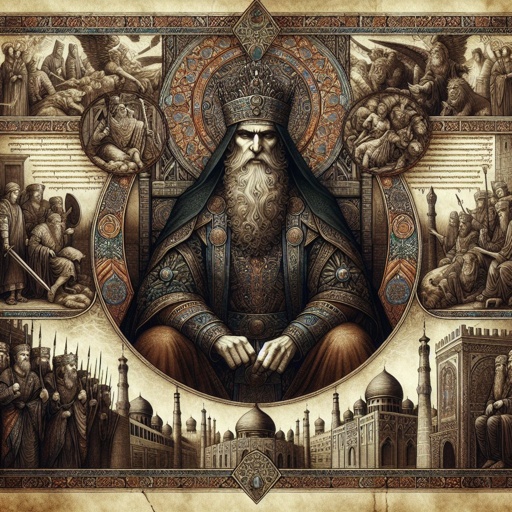
2 Kings 15:29 Artwork

2 Kings 15:29 show the army and attack

2 Kings 15:29 - "In the days of Pekah king of Israel came Tiglath-pileser king of Assyria, and took Ijon, and Abel-beth-maachah, and Janoah, and Kedesh, and Hazor, and Gilead, and Galilee, all the land of Naphtali, and carried them captive to Assyria."

"In the days of Pekah king of Israel came Tiglath-pileser king of Assyria, and took Ijon, and Abel-beth-maachah, and Janoah, and Kedesh, and Hazor, and Gilead, and Galilee, all the land of Naphtali, and carried them captive to Assyria." - 2 Kings 15:29

2 KINGS 8:29

2 Kings 14:29 - "And Jeroboam slept with his fathers, even with the kings of Israel; and Zachariah his son reigned in his stead."

2 Kings 15:15 - "And the rest of the acts of Shallum, and his conspiracy which he made, behold, they are written in the book of the chronicles of the kings of Israel."

2 Kings 3:15

2 Kings 3:15

2 Kings 3:15

2 Samuel 15:29 - "Zadok therefore and Abiathar carried the ark of God again to Jerusalem: and they tarried there."

2 Kings 15:11 - "And the rest of the acts of Zachariah, behold, they are written in the book of the chronicles of the kings of Israel."

2 Kings 9:29 - "And in the eleventh year of Joram the son of Ahab began Ahaziah to reign over Judah."
2 Kings 15:6 - "And the rest of the acts of Azariah, and all that he did, are they not written in the book of the chronicles of the kings of Judah?"

2 Kings 15:21 - "¶ And the rest of the acts of Menahem, and all that he did, are they not written in the book of the chronicles of the kings of Israel?"

2 Kings 15:31 - "And the rest of the acts of Pekah, and all that he did, behold, they are written in the book of the chronicles of the kings of Israel."

2 Kings 15:36 - "¶ Now the rest of the acts of Jotham, and all that he did, are they not written in the book of the chronicles of the kings of Judah?"

2 Kings 15:26 - "And the rest of the acts of Pekahiah, and all that he did, behold, they are written in the book of the chronicles of the kings of Israel."

2 Chronicles 29:15 - "And they gathered their brethren, and sanctified themselves, and came, according to the commandment of the king, by the words of the LORD, to cleanse the house of the LORD."

2 Kings 18:29 - "Thus saith the king, Let not Hezekiah deceive you: for he shall not be able to deliver you out of his hand:"

2 Kings 25:29 - "And changed his prison garments: and he did eat bread continually before him all the days of his life."

2 Kings 18:15 - "And Hezekiah gave him all the silver that was found in the house of the LORD, and in the treasures of the king's house."

2 Kings 14:15 - "¶ Now the rest of the acts of Jehoash which he did, and his might, and how he fought with Amaziah king of Judah, are they not written in the book of the chronicles of the kings of Israel?"

2 Kings 15:22 - "And Menahem slept with his fathers; and Pekahiah his son reigned in his stead."

2 Kings 15:1 - "In the twenty and seventh year of Jeroboam king of Israel began Azariah son of Amaziah king of Judah to reign."

"And the rest of the acts of Shallum, and his conspiracy which he made, behold, they are written in the book of the chronicles of the kings of Israel." - 2 Kings 15:15

1 Kings 15:2 - "Three years reigned he in Jerusalem. And his mother's name was Maachah, the daughter of Abishalom."

2 Kings 12:15 - "Moreover they reckoned not with the men, into whose hand they delivered the money to be bestowed on workmen: for they dealt faithfully."

"And Jeroboam slept with his fathers, even with the kings of Israel; and Zachariah his son reigned in his stead." - 2 Kings 14:29

1 Kings 2:29 - "And it was told king Solomon that Joab was fled unto the tabernacle of the LORD; and, behold, he is by the altar. Then Solomon sent Benaiah the son of Jehoiada, saying, Go, fall upon him."

2 Kings 15:37 - "In those days the LORD began to send against Judah Rezin the king of Syria, and Pekah the son of Remaliah."