What does 2 Kings 14:10 mean?
"Thou hast indeed smitten Edom, and thine heart hath lifted thee up: glory of this, and tarry at home: for why shouldest thou meddle to thy hurt, that thou shouldest fall, even thou, and Judah with thee?" - 2 Kings 14:10
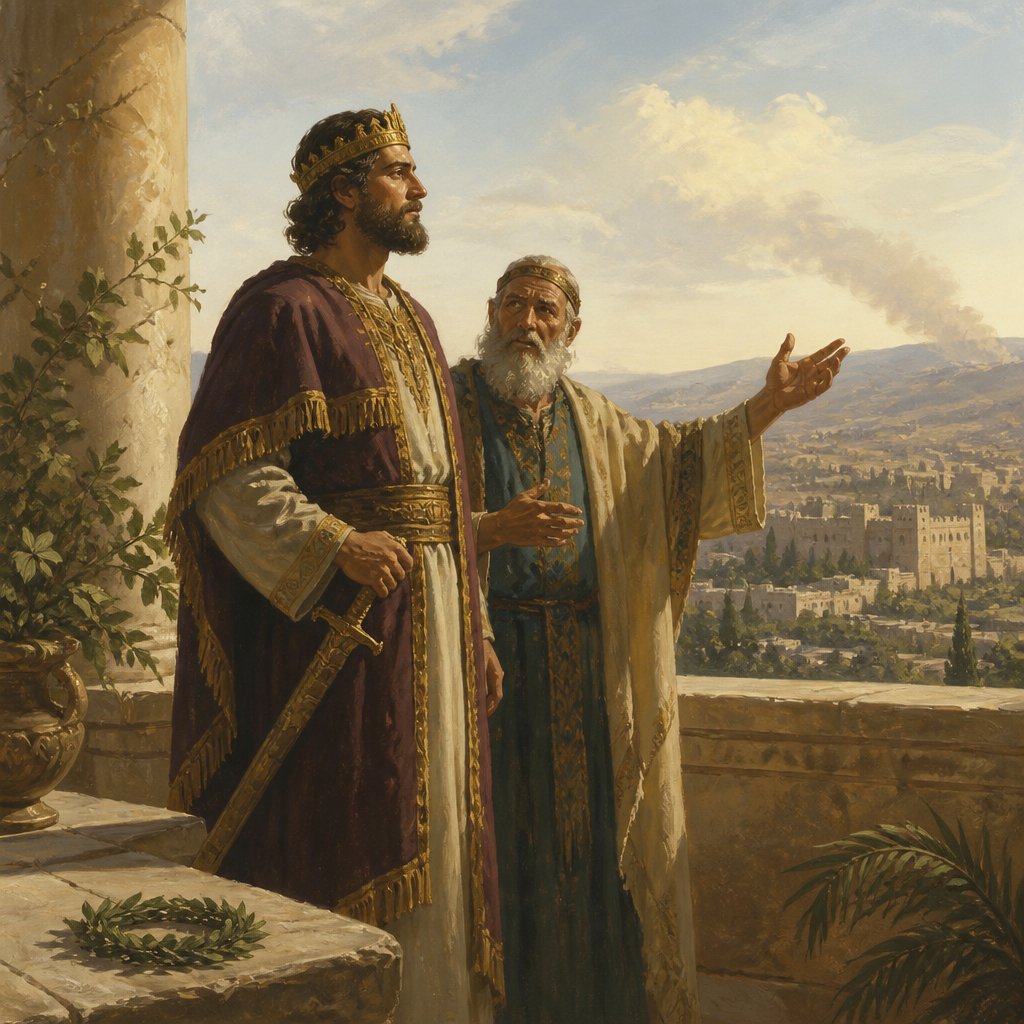
The verse 2 Kings 14:10 in the King James Version of the Bible reads: "Thou hast indeed smitten Edom, and thine heart hath lifted thee up: glory of this, and tarry at home: for why shouldest thou meddle to thy hurt, that thou shouldest fall, even thou, and Judah with thee?"
This verse is part of the historical narrative in the Old Testament that chronicles the reign of King Amaziah of Judah. In this particular story, Amaziah is addressing a challenge from King Jehoash of Israel. Amaziah had defeated the Edomites in battle and he was feeling proud and confident as a result of his victory. However, Jehoash warned Amaziah not to get too arrogant and to recognize the limits of his power. Jehoash urged him not to meddle in affairs that were beyond his ability, lest he and his kingdom be brought to ruin.
One of the key themes in this verse is the danger of arrogance and pride. Amaziah's victory over the Edomites had led him to become boastful and overly confident in his own strength. This attitude of pride led him to disregard the warning of King Jehoash and ultimately led to his downfall. The Bible frequently warns against the dangers of pride, emphasizing the importance of humility and reliance on God rather than on one's own abilities.
Another theme in this verse is the importance of wisdom and discernment in leadership. King Jehoash's warning to Amaziah was not just a rebuke for his pride, but also a reminder to consider the consequences of his actions and to exercise caution and prudence in his decision-making. This theme is relevant not only to the realm of politics and leadership, but also to our everyday lives, as it emphasizes the need for careful consideration of our words and actions.
The specific context of this verse provides additional insight into its meaning. The geopolitical situation at the time was characterized by conflict and shifting alliances among the various kingdoms in the region. Amaziah's victory over the Edomites and his subsequent confrontation with King Jehoash of Israel were part of this complex web of political and military dynamics. The verse can therefore be seen as a cautionary tale about the dangers of overreaching in international relations and the importance of understanding the broader context in which one operates.
Symbolically, this verse can be understood as a reflection of the perennial human tendency towards pride and the need for humility and self-awareness. It serves as a reminder of the potential consequences of arrogance and the importance of seeking wisdom and guidance, whether in the realm of leadership or in our personal lives. It also emphasizes the interconnectedness of our actions with their potential impact on others, as Amaziah's recklessness not only led to his own downfall, but also put his kingdom in jeopardy.
In conclusion, 2 Kings 14:10 offers a rich and multifaceted meditation on themes of pride, wisdom, leadership, and the consequences of our actions. Its historical context and symbolic resonance provide layers of meaning that make it a valuable and thought-provoking passage for readers seeking insight and guidance from the Bible.
Have questions about 2 Kings 14:10?
Dive deeper into this scripture with Bible Chat — an AI-powered tool for exploring God's Word through conversation. Ask questions, get context, and grow in your understanding of the Bible.
Get Our Apps


2 Kings 14:10 Artwork

2 Kings 14:10 - "Thou hast indeed smitten Edom, and thine heart hath lifted thee up: glory of this, and tarry at home: for why shouldest thou meddle to thy hurt, that thou shouldest fall, even thou, and Judah with thee?"
"Thou hast indeed smitten Edom, and thine heart hath lifted thee up: glory of this, and tarry at home: for why shouldest thou meddle to thy hurt, that thou shouldest fall, even thou, and Judah with thee?" - 2 Kings 14:10
2 Kings 10:14 - "And he said, Take them alive. And they took them alive, and slew them at the pit of the shearing house, even two and forty men; neither left he any of them."

2 Kings 14:18 - "And the rest of the acts of Amaziah, are they not written in the book of the chronicles of the kings of Judah?"

Genesis 14:10 - "And the vale of Siddim was full of slimepits; and the kings of Sodom and Gomorrah fled, and fell there; and they that remained fled to the mountain."

1 Kings 10:14 - "¶ Now the weight of gold that came to Solomon in one year was six hundred threescore and six talents of gold,"

2 Kings 14:29 - "And Jeroboam slept with his fathers, even with the kings of Israel; and Zachariah his son reigned in his stead."

2 Kings 3:10 - "And the king of Israel said, Alas! that the LORD hath called these three kings together, to deliver them into the hand of Moab!"

2 Kings 12:14 - "But they gave that to the workmen, and repaired therewith the house of the LORD."

2 Kings 14:16 - "And Jehoash slept with his fathers, and was buried in Samaria with the kings of Israel; and Jeroboam his son reigned in his stead."

2 Kings 14:14 - "And he took all the gold and silver, and all the vessels that were found in the house of the LORD, and in the treasures of the king's house, and hostages, and returned to Samaria."

2 Kings 21:10 - "¶ And the LORD spake by his servants the prophets, saying,"

2 Kings 10:28 - "Thus Jehu destroyed Baal out of Israel."

2 Kings 10:4 - "But they were exceedingly afraid, and said, Behold, two kings stood not before him: how then shall we stand?"

2 Kings 14:22 - "He built Elath, and restored it to Judah, after that the king slept with his fathers."

2 Kings 10:34 - "Now the rest of the acts of Jehu, and all that he did, and all his might, are they not written in the book of the chronicles of the kings of Israel?"

2 Kings 10:20 - "And Jehu said, Proclaim a solemn assembly for Baal. And they proclaimed it."

2 Kings 14:12 - "And Judah was put to the worse before Israel; and they fled every man to their tents."
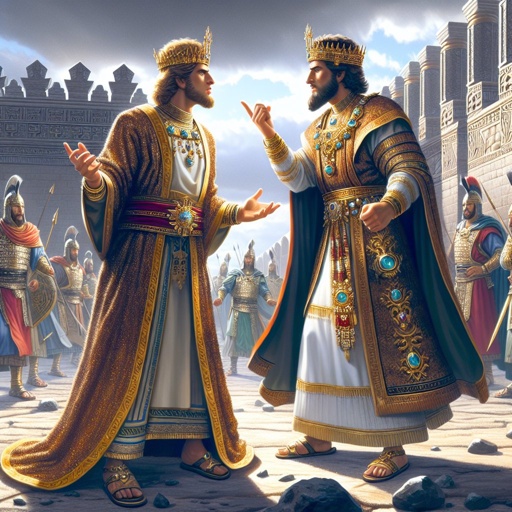
2 Kings 14:15 - "¶ Now the rest of the acts of Jehoash which he did, and his might, and how he fought with Amaziah king of Judah, are they not written in the book of the chronicles of the kings of Israel?"

1 Kings 2:10 - "So David slept with his fathers, and was buried in the city of David."

2 Kings 10:26 - "And they brought forth the images out of the house of Baal, and burned them."

2 Kings 14:20 - "And they brought him on horses: and he was buried at Jerusalem with his fathers in the city of David."

"And the rest of the acts of Amaziah, are they not written in the book of the chronicles of the kings of Judah?" - 2 Kings 14:18

2 Kings 10:12 - "¶ And he arose and departed, and came to Samaria. And as he was at the shearing house in the way,"

Psalms 2:10 - "Be wise now therefore, O ye kings: be instructed, ye judges of the earth."

2 Kings 10:36 - "And the time that Jehu reigned over Israel in Samaria was twenty and eight years."

2 Kings 14:1 - "In the second year of Joash son of Jehoahaz king of Israel reigned Amaziah the son of Joash king of Judah."

2 Kings 24:10 - "¶ At that time the servants of Nebuchadnezzar king of Babylon came up against Jerusalem, and the city was besieged."

2 Kings 25:14 - "And the pots, and the shovels, and the snuffers, and the spoons, and all the vessels of brass wherewith they ministered, took they away."

2 Kings 7:14 - "They took therefore two chariot horses; and the king sent after the host of the Syrians, saying, Go and see."