What does 2 Kings 10:6 mean?
"Then he wrote a letter the second time to them, saying, If ye be mine, and if ye will hearken unto my voice, take ye the heads of the men your master's sons, and come to me to Jezreel by to morrow this time. Now the king's sons, being seventy persons, were with the great men of the city, which brought them up." - 2 Kings 10:6
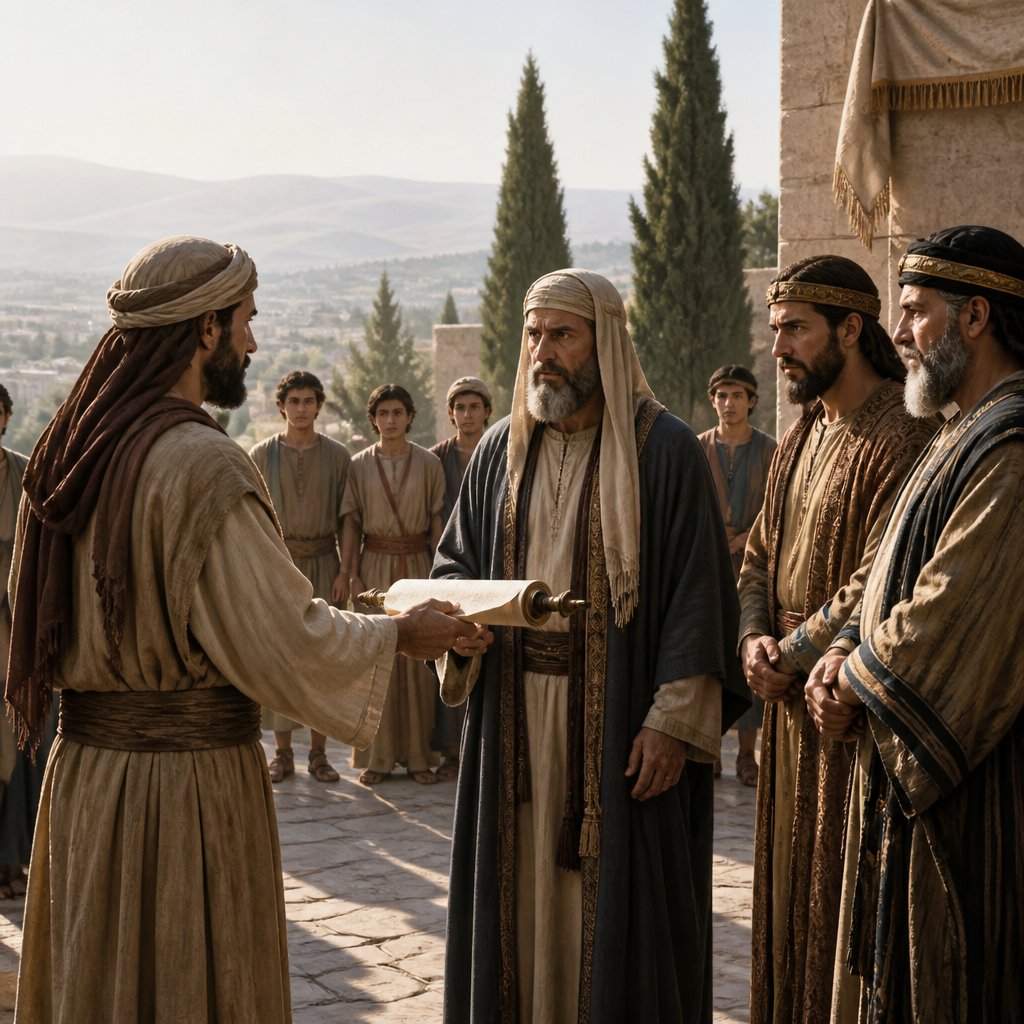
The verse 2 Kings 10:6 from the King James Version of the Bible reads: "Then he wrote a letter the second time to them, saying, If ye be mine, and if ye will hearken unto my voice, take ye the heads of the men your master's sons, and come to me to Jezreel by to morrow this time. Now the king's sons, being seventy persons, were with the great men of the city, which brought them up."
This verse is part of the story of Jehu, a commander in the army of Israel who was anointed to be king by the prophet Elisha. Jehu had been instructed by Elisha to destroy the house of Ahab, the former king of Israel, and to kill all of Ahab's descendants. This verse marks a pivotal moment in Jehu's mission, as he sends a letter to the officials and leaders in the city of Samaria, urging them to betray their loyalty to Ahab's descendants and join him in his cause.
One of the key themes in this verse is the concept of loyalty and obedience. Jehu is using manipulation and intimidation in his letter, challenging the recipients to prove their allegiance by committing a brutal and violent act: killing the sons of their former king. This verse raises profound ethical and moral questions about the nature of loyalty and obedience and the lengths to which people will go to prove themselves to a new leader or authority figure.
The context of this verse is crucial to understanding its significance. Ahab and his wife Jezebel were notorious for their idolatry and corruption, and their rule had brought about a decline in morality and religious adherence in Israel. Jehu's mission to destroy the house of Ahab was not only a political move but also a religious one, as he sought to rid the land of the influence of Ahab and Jezebel and restore the worship of the true God.
Symbolism plays a significant role in this verse as well. The letter that Jehu sends represents the power of communication and persuasion, as he uses words to manipulate and rally support for his cause. The act of taking the heads of the king's sons symbolizes the brutality and violence of Jehu's mission, as well as the complete and utter destruction of Ahab's lineage. This act is also symbolic of the harsh and unforgiving nature of God's judgment on those who have strayed from His commandments.
Overall, 2 Kings 10:6 is a verse that raises difficult and challenging questions about loyalty, obedience, and the use of power and influence. It also serves as a reminder of the consequences of straying from God's will and the judgment that can result from such actions. In studying this verse, we are encouraged to reflect on our own allegiances and the ethical implications of our actions, as well as to consider the role of faith and obedience in our relationship with God.
Have questions about 2 Kings 10:6?
Dive deeper into this scripture with Bible Chat — an AI-powered tool for exploring God's Word through conversation. Ask questions, get context, and grow in your understanding of the Bible.
Get Our Apps


2 Kings 10:6 Artwork
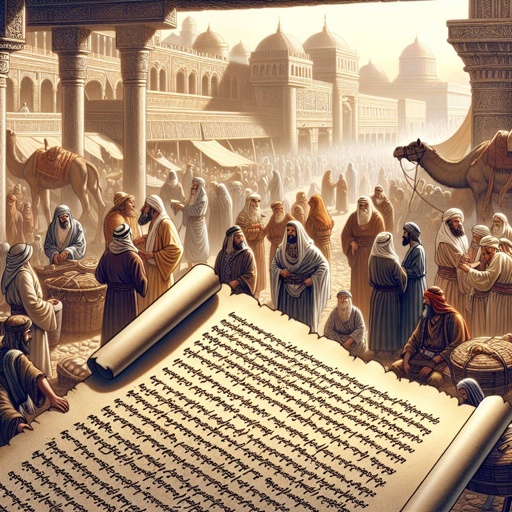
2 Kings 10:6 - "Then he wrote a letter the second time to them, saying, If ye be mine, and if ye will hearken unto my voice, take ye the heads of the men your master's sons, and come to me to Jezreel by to morrow this time. Now the king's sons, being seventy persons, were with the great men of the city, which brought them up."
"Then he wrote a letter the second time to them, saying, If ye be mine, and if ye will hearken unto my voice, take ye the heads of the men your master's sons, and come to me to Jezreel by to morrow this time. Now the king's sons, being seventy persons, were with the great men of the city, which brought them up." - 2 Kings 10:6

2 Kings 6:10 - "And the king of Israel sent to the place which the man of God told him and warned him of, and saved himself there, not once nor twice."

1 Kings 10:6 - "And she said to the king, It was a true report that I heard in mine own land of thy acts and of thy wisdom."

2 kings 6:24
2 Kings 15:6 - "And the rest of the acts of Azariah, and all that he did, are they not written in the book of the chronicles of the kings of Judah?"

2 Kings 3:10 - "And the king of Israel said, Alas! that the LORD hath called these three kings together, to deliver them into the hand of Moab!"

2 Kings 10:28 - "Thus Jehu destroyed Baal out of Israel."

1 Kings 6:10 - "And then he built chambers against all the house, five cubits high: and they rested on the house with timber of cedar."

2 Kings 21:10 - "¶ And the LORD spake by his servants the prophets, saying,"

2 Kings 10:4 - "But they were exceedingly afraid, and said, Behold, two kings stood not before him: how then shall we stand?"

2 Kings 10:34 - "Now the rest of the acts of Jehu, and all that he did, and all his might, are they not written in the book of the chronicles of the kings of Israel?"

2 Kings 10:20 - "And Jehu said, Proclaim a solemn assembly for Baal. And they proclaimed it."

2 Kings 6:16 - "And he answered, Fear not: for they that be with us are more than they that be with them."

"Thus Jehu destroyed Baal out of Israel." - 2 Kings 10:28

1 Kings 2:10 - "So David slept with his fathers, and was buried in the city of David."

2 Kings 10:26 - "And they brought forth the images out of the house of Baal, and burned them."
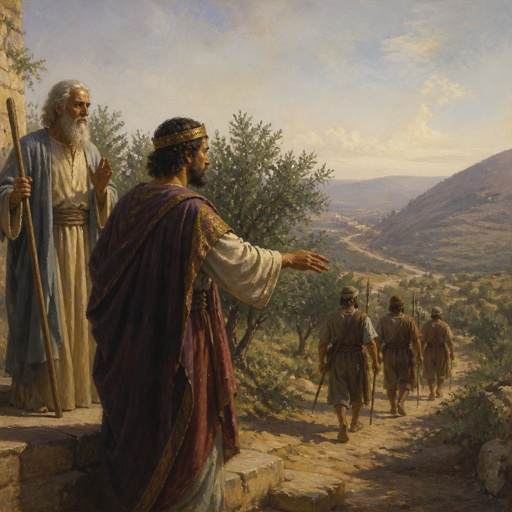
"And the king of Israel sent to the place which the man of God told him and warned him of, and saved himself there, not once nor twice." - 2 Kings 6:10

2 Kings 3:6 - "¶ And king Jehoram went out of Samaria the same time, and numbered all Israel."

2 Kings 10:12 - "¶ And he arose and departed, and came to Samaria. And as he was at the shearing house in the way,"

Psalms 2:10 - "Be wise now therefore, O ye kings: be instructed, ye judges of the earth."

2 Kings 10:36 - "And the time that Jehu reigned over Israel in Samaria was twenty and eight years."

2 Kings 24:10 - "¶ At that time the servants of Nebuchadnezzar king of Babylon came up against Jerusalem, and the city was besieged."

2 Kings 12:6 - "But it was so, that in the three and twentieth year of king Jehoash the priests had not repaired the breaches of the house."

2 Kings 6:4 - "So he went with them. And when they came to Jordan, they cut down wood."

2 Kings 6:6 - "And the man of God said, Where fell it? And he shewed him the place. And he cut down a stick, and cast it in thither; and the iron did swim."

2 Kings 22:6 - "Unto carpenters, and builders, and masons, and to buy timber and hewn stone to repair the house."

2 Kings 11:10 - "And to the captains over hundreds did the priest give king David's spears and shields, that were in the temple of the LORD."

2 Kings 25:6 - "So they took the king, and brought him up to the king of Babylon to Riblah; and they gave judgment upon him."

2 Kings 10:2 - "Now as soon as this letter cometh to you, seeing your master's sons are with you, and there are with you chariots and horses, a fenced city also, and armour;"