What does 2 Corinthians 1:9-10 mean?
"Indeed, we had the sentence of death in ourselves, that we should not trust in ourselves, but in God which raiseth the dead: Who delivered us from so great a death, and doth deliver: in whom we trust that he will yet deliver us;" - 2 Corinthians 1:9-10
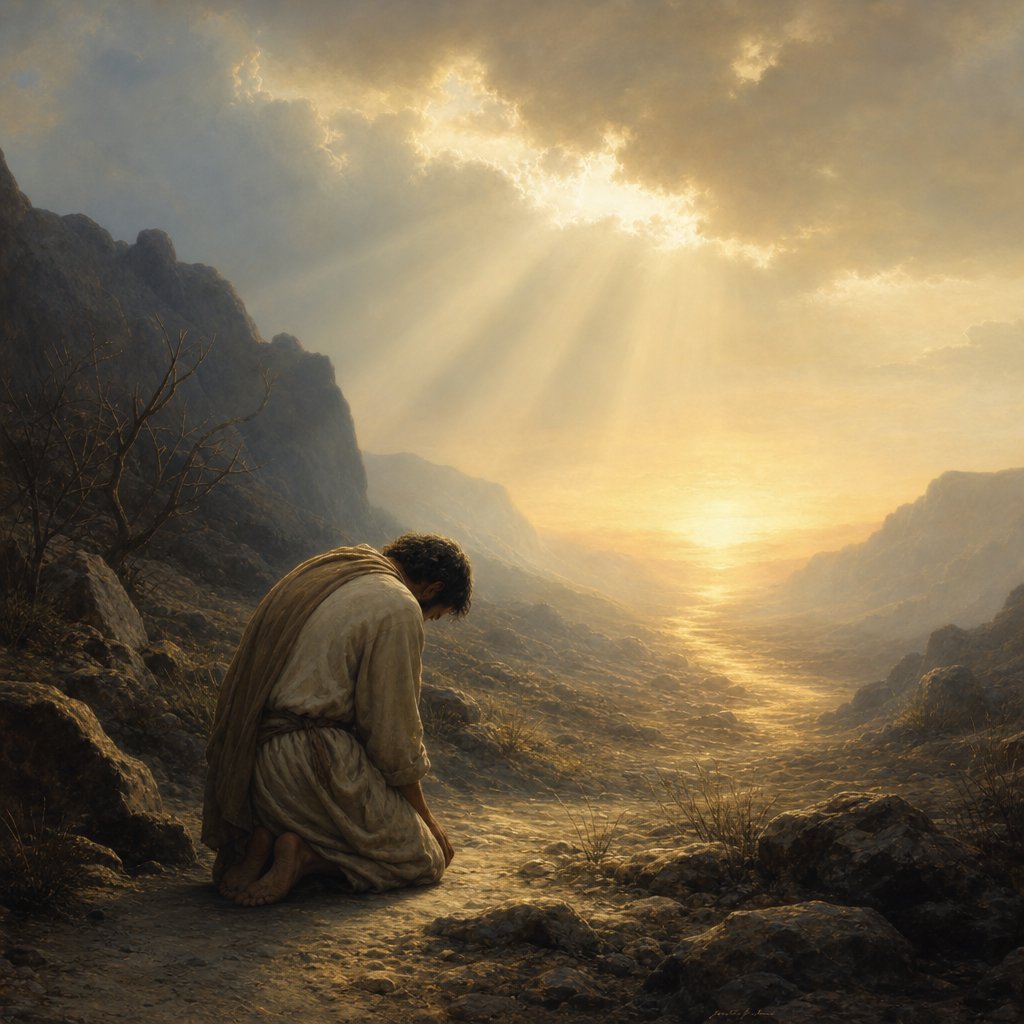
In 2 Corinthians 1:9–10, Paul opens a window into the spiritual logic of suffering as it operates in the life of a believer and in the ministry of the gospel. He has just told the Corinthians that the afflictions he and his companions endured in Asia were so heavy that they were “pressed out of measure, above strength,” and even “despaired” of life. Then he explains what that extremity meant before God: “But we had the sentence of death in ourselves, that we should not trust in ourselves, but in God which raiseth the dead: Who delivered us from so great a death, and doth deliver: in whom we trust that he will yet deliver us.” The passage is not merely a recollection of hardship; it is Paul interpreting hardship as divine schooling, a deliberate turning of the heart away from self-reliance and into living dependence on the God of resurrection.
The immediate context is Paul’s defense and explanation of his ministry and his movements toward Corinth, but he begins not with travel plans, but with theology forged under pressure. He wants the Corinthians to understand that apostolic service is not powered by natural sufficiency. When he says, “we had the sentence of death in ourselves,” he is describing an inward verdict, a settled sense that the situation had passed the point where human strength or strategy could rescue them. The phrase carries the weight of a judicial decision: death had, as it were, already been pronounced in the court of their own hearts. Yet Paul is careful to show that this was not meaningless despair. God used that inward “sentence” to bring about a specific end: “that we should not trust in ourselves, but in God which raiseth the dead.” The theme is not that believers never feel fear or weakness, but that God turns even the extremity of weakness into a spiritual cure for the most persistent human instinct, which is to make the self the final support.
The central theme, stated plainly in the text, is the transfer of trust. Paul contrasts two objects of confidence: “ourselves” and “God which raiseth the dead.” Self-trust looks for life by calculating resources already in hand. The God Paul names here is not defined first as Creator, Judge, or Provider, but as the One “which raiseth the dead.” That title is the key to the symbolism and the significance. Death represents the end of all human ability and the shutting of every ordinary door. Resurrection power, by contrast, is power that operates precisely where human power is finished. So the passage teaches that God sometimes brings His servants to the boundary of death-like impossibility so that their hope will rest not in improved circumstances, not in personal resilience, and not in human allies, but in the character of God as the One who gives life where there is none. In this way, the affliction becomes a kind of enacted parable: when all natural supports collapse, the believer learns what it means to live by faith in a God whose specialty is raising the dead.
Paul then frames God’s help in three tenses, and that structure is one of the richest features of the verses: “Who delivered us… and doth deliver: in whom we trust that he will yet deliver us.” He points backward to a completed rescue, present to an ongoing deliverance, and forward to a deliverance still expected. This is not mere repetition; it is a theology of God’s faithfulness across time. “Who delivered us from so great a death” speaks of a definite intervention that already occurred, a moment when the danger was real and the rescue unmistakable. “And doth deliver” suggests that even after that crisis, Paul’s life and ministry remain in a continual state of needing God’s keeping. Deliverance is not only something God did once in a dramatic hour; it is what God is doing as a sustaining pattern. Then, “in whom we trust that he will yet deliver us” reveals the logic of faith: past mercy becomes evidence for present confidence, and present experience becomes the ground of future expectation. Paul’s trust is not wishful thinking; it is trust tethered to God’s proven action and unchanging identity.
Within the broader movement of 2 Corinthians, these verses also prepare for recurring themes: strength manifested through weakness, the fragility of the messenger contrasted with the power of God, and the reality that true ministry is marked by suffering that drives the minister deeper into dependence. Paul is not asking the Corinthians to admire his endurance as a personal achievement. He is showing them how God’s power is displayed in a servant who cannot boast in self-sufficiency because he has been brought to the end of himself. The “sentence of death” becomes, paradoxically, the place where resurrection-faith becomes most vivid. It is not that death itself is good, but that the God who “raiseth the dead” is revealed as trustworthy when death is near enough to silence every other confidence.
Symbolically, “death” in the passage functions on two levels at once. On the surface, it is the literal threat of dying under affliction, “so great a death.” But it also represents the death of self-reliance. God’s purpose clause—“that we should not trust in ourselves”—shows that the experience was meant to kill something: the presumption that life and ministry can be carried by human adequacy. In that sense, the danger of death becomes a spiritual instrument by which God dismantles a deeper danger, the quiet idolatry of trusting in oneself. The resurrection imagery then is not only about survival; it is about a new kind of living, where the heart is trained to expect help from God in circumstances where no human explanation can take credit.
The significance of 2 Corinthians 1:9–10, using Paul’s own KJV language, is that it presents affliction as a divine strategy to redirect trust, it defines God for the believer as “God which raiseth the dead,” and it depicts deliverance as a continuing reality spanning past, present, and future. Paul’s testimony is meant to steady the Corinthians: the apostle’s hardships do not disprove God’s calling; they display the kind of God the gospel proclaims. When believers find within themselves “the sentence of death,” the passage teaches them to read that moment not as abandonment, but as an invitation to place their whole confidence in the One who brings life out of death, who “delivered,” “doth deliver,” and in whom we trust that He “will yet deliver.”
Have questions about 2 Corinthians 1:9-10?
Dive deeper into this scripture with Bible Chat — an AI-powered tool for exploring God's Word through conversation. Ask questions, get context, and grow in your understanding of the Bible.
Get Our Apps


2 Corinthians 1:9-10 Artwork

2 Corinthians 1:9-10 - "Indeed, we felt we had received the sentence of death. But this happened that we might not rely on ourselves but on God, who raises the dead. He has delivered us from such a deadly peril, and he will deliver us again. On him we have set our hope that he will continue to deliver us."
"Indeed, we felt we had received the sentence of death. But this happened that we might not rely on ourselves but on God, who raises the dead. He has delivered us from such a deadly peril, and he will deliver us again. On him we have set our hope that he will continue to deliver us." - 2 Corinthians 1:9-10
2 Corinthians 12:9-10

2 Corinthians 1:9 - "But we had the sentence of death in ourselves, that we should not trust in ourselves, but in God which raiseth the dead:"

2 Corinthians 10:9 - "That I may not seem as if I would terrify you by letters."

1 Corinthians 10:9 - "Neither let us tempt Christ, as some of them also tempted, and were destroyed of serpents."

2 Corinthians 9:1 - "For as touching the ministering to the saints, it is superfluous for me to write to you:"

1 Corinthians 10:2 - "And were all baptized unto Moses in the cloud and in the sea;"

2 Corinthians 9:10 - "Now he that ministereth seed to the sower both minister bread for your food, and multiply your seed sown, and increase the fruits of your righteousness;)"

2 Corinthians 9:9
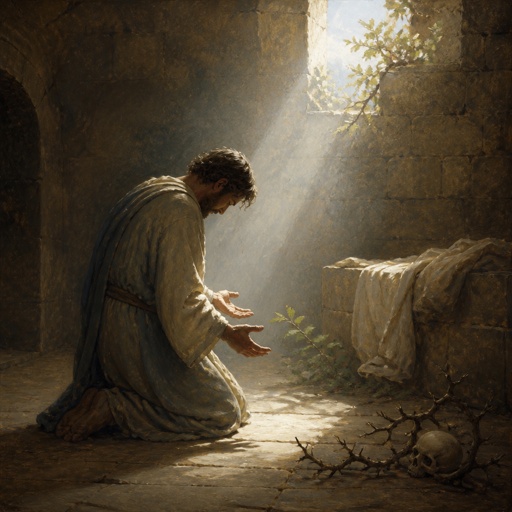
"But we had the sentence of death in ourselves, that we should not trust in ourselves, but in God which raiseth the dead:" - 2 Corinthians 1:9

"That I may not seem as if I would terrify you by letters." - 2 Corinthians 10:9

1 Corinthians 9:2 - "If I be not an apostle unto others, yet doubtless I am to you: for the seal of mine apostleship are ye in the Lord."

2 corinthians 10:3-5

2 corinthians 10:3-5

2 corinthians 10:3-5

2 corinthians 10:3-5

2 corinthians 10:3-5

2 corinthians 10:3-5

2 corinthians 10:3-5

2 corinthians 10:3-5

2 corinthians 10:3-5

2 corinthians 10:3-5
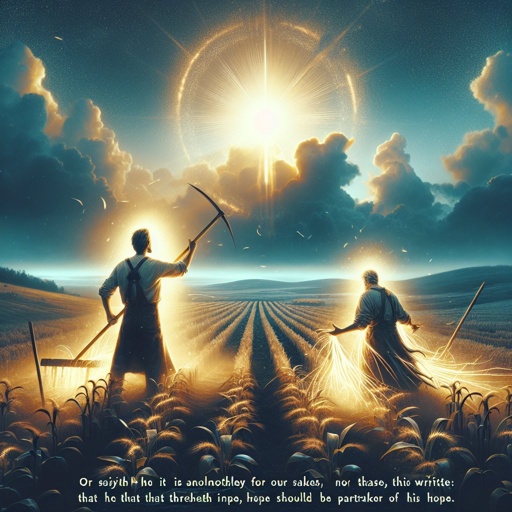
1 Corinthians 9:10 - "Or saith he it altogether for our sakes? For our sakes, no doubt, this is written: that he that ploweth should plow in hope; and that he that thresheth in hope should be partaker of his hope."

2 corinthians 10:3-5

2 corinthians 10:3-5

1 Corinthians 2:9-10 - "But as it is written, Eye hath not seen, nor ear heard, neither have entered into the heart of man, the things which God hath prepared for them that love him. But God hath revealed them unto us by his Spirit: for the Spirit searcheth all things, yea, the deep things of God."

1 Corinthians 9:25-27

1 Corinthians 9:25-27

1 Corinthians 2:10 - "But God hath revealed them unto us by his Spirit: for the Spirit searcheth all things, yea, the deep things of God."