What does 2 Corinthians 12:7-10 mean?
"And lest I should be exalted above measure through the abundance of the revelations, there was given to me a thorn in the flesh, the messenger of Satan to buffet me, lest I should be exalted above measure. For this thing I besought the Lord thrice, that it might depart from me. And he said unto me, My grace is sufficient for thee: for my strength is made perfect in weakness. Most gladly therefore will I rather glory in my infirmities, that the power of Christ may rest upon me. Therefore I take pleasure in infirmities, in reproaches, in necessities, in persecutions, in distresses for Christ's sake: for when I am weak, then am I strong." - 2 Corinthians 12:7-10

2 Corinthians 12:7-10 (KJV) states: "And lest I should be exalted above measure through the abundance of the revelations, there was given to me a thorn in the flesh, the messenger of Satan to buffet me, lest I should be exalted above measure. For this thing I besought the Lord thrice, that it might depart from me. And he said unto me, My grace is sufficient for thee: for my strength is made perfect in weakness. Most gladly therefore will I rather glory in my infirmities, that the power of Christ may rest upon me. Therefore I take pleasure in infirmities, in reproaches, in necessities, in persecutions, in distresses for Christ's sake: for when I am weak, then am I strong."
The passage from 2 Corinthians 12:7-10 touches on several important themes including the concept of human weakness and divine strength, the purpose of suffering and hardship, and the transformative power of God's grace. In this verse, the apostle Paul speaks about a "thorn in the flesh" that was given to him to prevent him from becoming "exalted above measure" due to the abundance of revelations he had received from God.
The "thorn in the flesh" has been a subject of much speculation and debate among scholars and theologians. Some have suggested that it could have been a physical ailment or illness, while others have interpreted it as a metaphor for the various trials and tribulations that Paul faced in his ministry. Regardless of the specific nature of the thorn, it is clear that it was a source of great discomfort and suffering for Paul.
Paul's initial response to this thorn in the flesh was to beseech the Lord to remove it from him. He pleaded with God three times, showing his earnest desire to be relieved of this burden. However, instead of granting his request, God responds with a powerful declaration: "My grace is sufficient for thee: for my strength is made perfect in weakness." This statement encapsulates the central message of the passage – that God's grace and strength are displayed most poignantly in our moments of weakness and inadequacy.
The idea that human weakness allows for the manifestation of God's strength is a recurring theme in the Bible. It is a concept that runs contrary to worldly notions of power and self-sufficiency. Instead, it emphasizes the need for humility and reliance on God's provision. In Paul's case, the presence of the thorn in his flesh served as a reminder of his own vulnerability and dependency on God. It prevented him from becoming prideful and reminded him of his constant need for divine assistance.
Paul's response to this revelation is remarkable. Rather than lamenting his circumstance or railing against God, he embraces his weakness and infirmities. He declares, "Most gladly therefore will I rather glory in my infirmities, that the power of Christ may rest upon me." This shows a profound shift in Paul's perspective. He recognizes that his weaknesses become an opportunity for the power of Christ to be made manifest in his life.
The passage concludes with Paul affirming his willingness to endure hardships and trials for the sake of Christ. He states that he takes pleasure in infirmities, reproaches, necessities, persecutions, and distresses for Christ's sake. This is a powerful testimony to Paul's steadfast faith and unwavering commitment to his calling, even in the face of adversity.
In summary, 2 Corinthians 12:7-10 offers a profound meditation on the nature of human weakness and divine strength. It challenges the worldly notion of power and encourages a humble reliance on God's grace. It also speaks to the transformative power of suffering and the redemptive potential of hardships endured for the sake of Christ. This passage continues to offer solace and inspiration to believers facing their own thorns in the flesh, reminding them that God's grace is indeed sufficient and that His strength is made perfect in our weakness.
Have questions about 2 Corinthians 12:7-10?
Dive deeper into this scripture with Bible Chat — an AI-powered tool for exploring God's Word through conversation. Ask questions, get context, and grow in your understanding of the Bible.
Get Our Apps


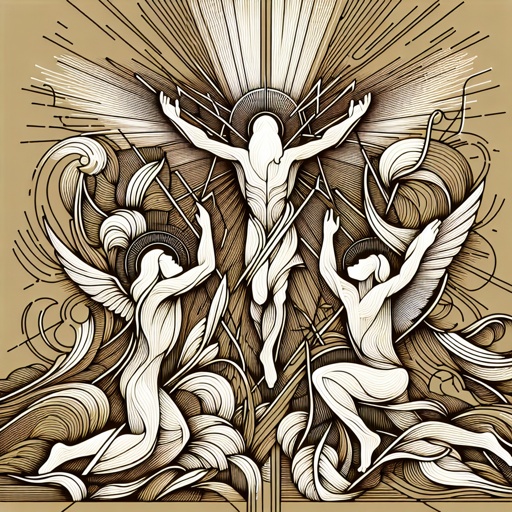
2 Corinthians 12:7-10 Artwork

2 Corinthians 12:7-10 - "And lest I should be exalted above measure through the abundance of the revelations, there was given to me a thorn in the flesh, the messenger of Satan to buffet me, lest I should be exalted above measure. For this thing I besought the Lord thrice, that it might depart from me. And he said unto me, My grace is sufficient for thee: for my strength is made perfect in weakness. Most gladly therefore will I rather glory in my infirmities, that the power of Christ may rest upon me. Therefore I take pleasure in infirmities, in reproaches, in necessities, in persecutions, in distresses for Christ's sake: for when I am weak, then am I strong."

"And lest I should be exalted above measure through the abundance of the revelations, there was given to me a thorn in the flesh, the messenger of Satan to buffet me, lest I should be exalted above measure. For this thing I besought the Lord thrice, that it might depart from me. And he said unto me, My grace is sufficient for thee: for my strength is made perfect in weakness. Most gladly therefore will I rather glory in my infirmities, that the power of Christ may rest upon me. Therefore I take pleasure in infirmities, in reproaches, in necessities, in persecutions, in distresses for Christ's sake: for when I am weak, then am I strong." - 2 Corinthians 12:7-10

2 Corinthians 12:7

2 Corinthians 12:7

2 Corinthians 12:7

2 Corinthians 12:7

2 Corinthians 7:10
2 Corinthians 12:9-10

2 Corinthians 7:10 - "For godly sorrow worketh repentance to salvation not to be repented of: but the sorrow of the world worketh death."

2 Corinthians 10:12 - "For we dare not make ourselves of the number, or compare ourselves with some that commend themselves: but they measuring themselves by themselves, and comparing themselves among themselves, are not wise."

2 Corinthians 12:10 - "Therefore I take pleasure in infirmities, in reproaches, in necessities, in persecutions, in distresses for Christ's sake: for when I am weak, then am I strong."

1 corinthians 2:12

1 corinthians 2:12

2 Corinthians 12:9

1 corinthians 2:12

1 corinthians 2:12

2 Corinthians 12:7 - "And lest I should be exalted above measure through the abundance of the revelations, there was given to me a thorn in the flesh, the messenger of Satan to buffet me, lest I should be exalted above measure."

2 corinthians 10:3-5

2 corinthians 10:3-5

2 corinthians 10:3-5

2 corinthians 10:3-5

2 corinthians 10:3-5

2 corinthians 10:3-5

2 corinthians 10:3-5

2 corinthians 10:3-5

2 corinthians 10:3-5

2 corinthians 10:3-5

2 corinthians 10:3-5

2 corinthians 10:3-5

2 Corinthians 12:2-4 – Paul’s vision of the third heaven.